Happy Sunday (or day that you're reading this), gamers! It's a Nintendo-heavy issue this week, with a catch up on the latest Switch scene drama (don't panic) and a much more fun look at the work going into bringing to life the short-lived and little-used Triforce arcade system from the early 2000s. Which is actually more a Sega jam than a Nintendo one, but we'll get into all that.
It's been an exciting couple weeks for emulation-adjacent stories. Here's one that caught my eye I'm happy to share, after featuring keitai preservation in an earlier issue of ROM:
 Protodude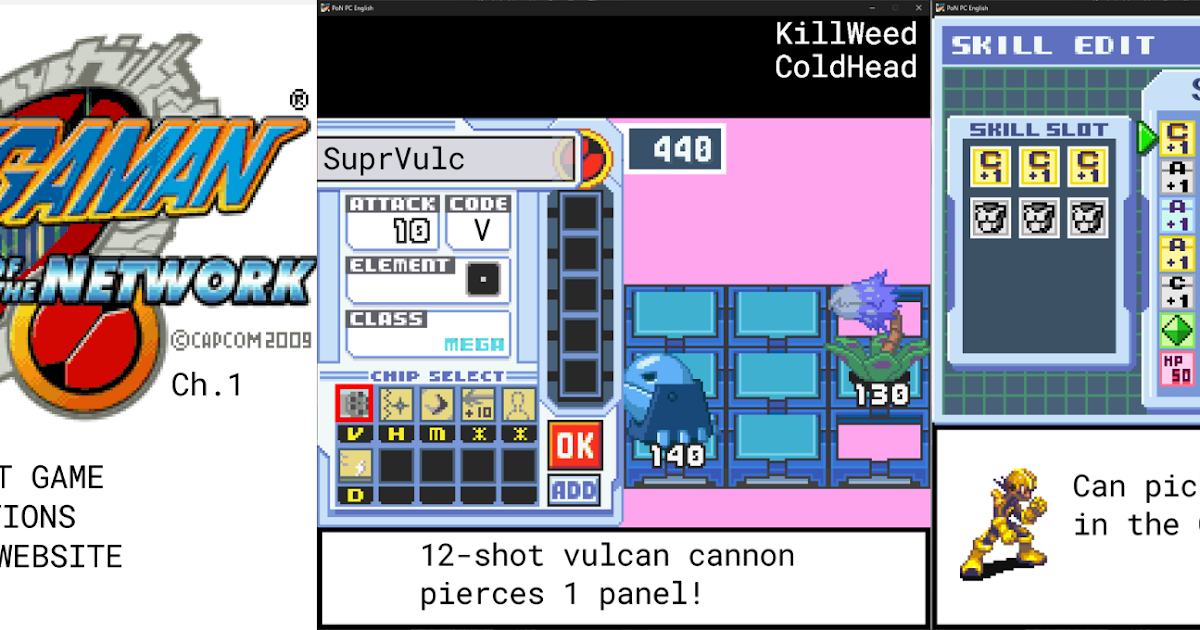
I haven't dug into this project enough to be familiar with the details or how it differs from the decompilation and recompilation projects I'm keeping track of, but the end result for interested players is about the same: You can now play a good version of this once-lost Mega Man game! That's really cool, especially as keitai emulation is still in its infancy.
Here's another fun but small story: Secret of Mana: Reborn v2.5 is out now, a new version of a long-in-the-works retranslation / romhack. This version is significant, however, because "for the first time, fans can explore two previously unreleased areas that were cut before the game’s initial release. This is your chance to go where no Secret of Mana player has gone in over 30 years!"
Meanwhile, speaking of recompilations — this Xbox 360-focused project, partially built off the work that went into Sonic Unleashed Recompiled, just appeared out of the blue:
 rexglue
While it's still WIP and there are no polish ports as of yet, the developers are already putting it to work with the likes of Blue Dragon. So that's pretty awesome.
We might not be that far away from the exclusive gems of the Xbox 360 library being playable on PC with native, fanmade ports. Wonders never cease.
The Big Two
1. After mastering the Triforce, one game still remains out of reach: The Key of Avalon
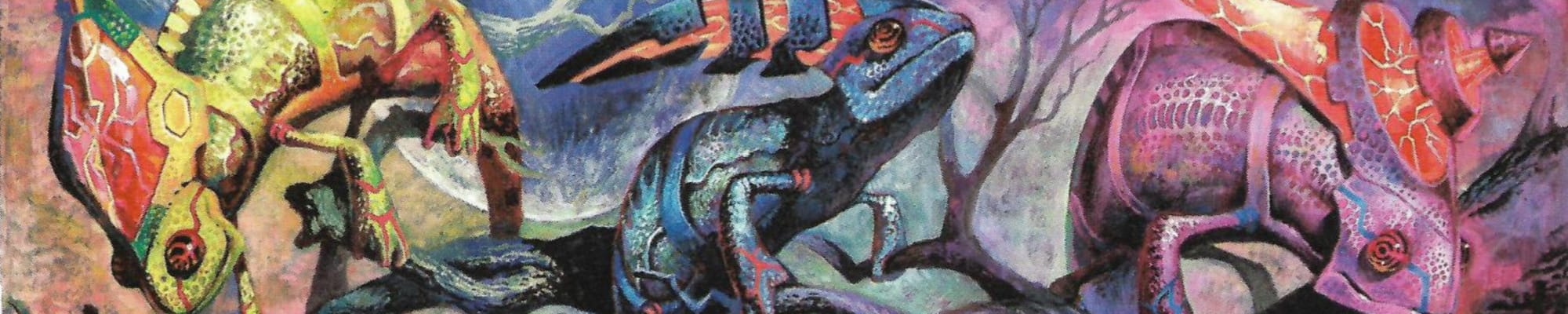
The biggest story in emulation this month has already been told in incredible detail on the Dolphin emulator blog: Rise of the Triforce.
It's a fantastic read, delving into Sega's arcade history and its partnership with Nintendo and Namco to build a short-lived arcade platform out of the guts of the GameCube. If you know the platform, it's likely due to one of two games: either F-Zero AX, the arcade equivalent to the home console F-Zero GX, or Mario Kart Arcade GP. In total there were only nine Triforce games, which helps explain why this system hasn't been a high priority emulation target for many years.
 MayImilae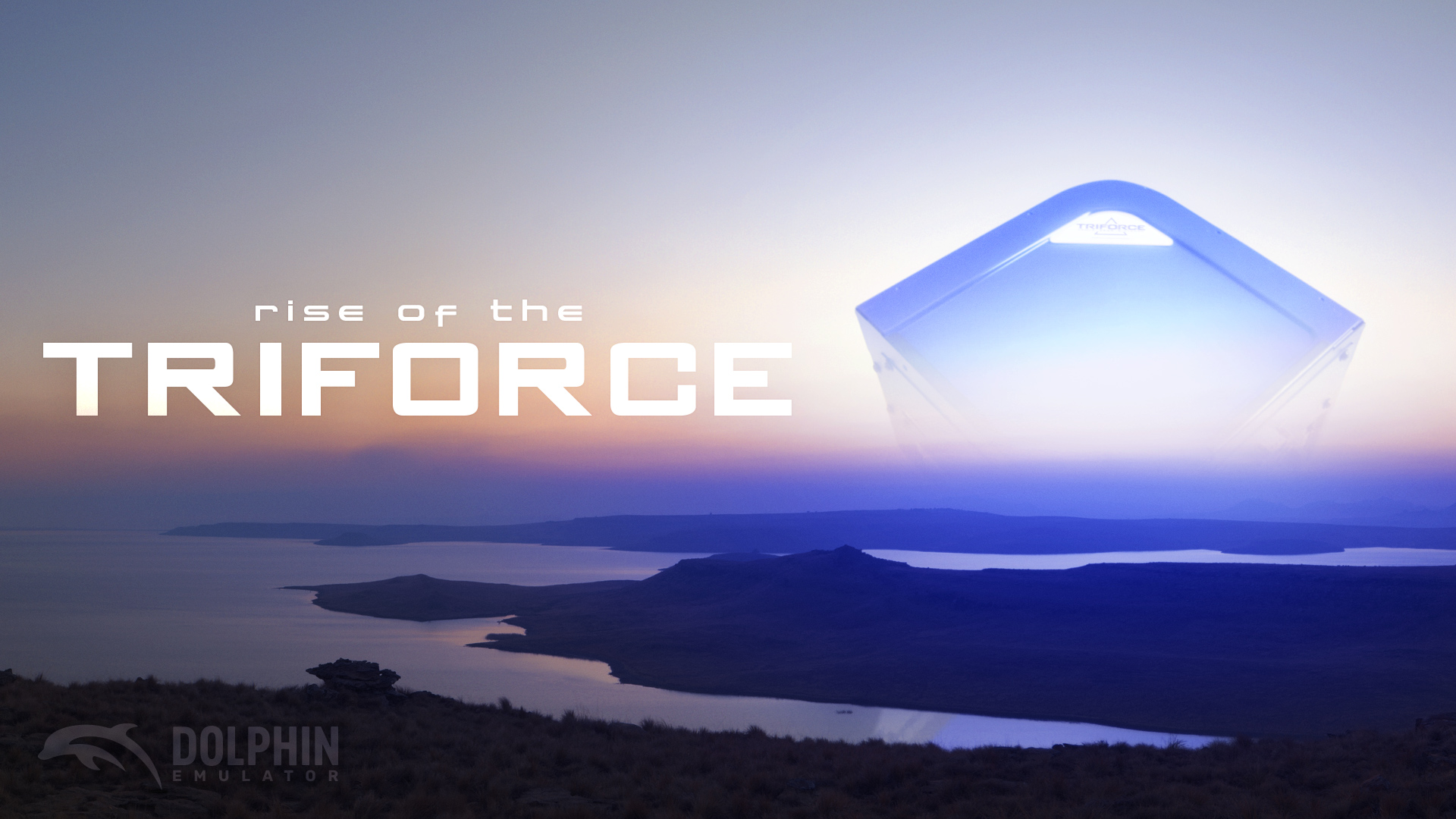
"Unfortunately, when it comes to emulation, arcade hardware is a very, very different challenge than emulating a home console," the Dolphin team explain in the blog above. "Even though each game is powered by a Triforce, all of the hardware around it can be unique for each game and even behave differently on different revisions of the same game! An arcade cabinet only needs to be compatible with the specific game inside of it. Because of that, unlike GameCube/Wii emulation, where fixing one game can sometimes fix dozens of others, each individual revision of an arcade game needs to be treated as its own challenge.
"Those problems didn't stop people from trying to build Triforce emulation on top of Dolphin in the past, though! Over 17 years ago, Dolphin gained the ability to emulate parts of the Triforce Baseboard. It wasn't enough to boot any Triforce games, but it was a start. However, that was the last time anything Triforce-related hit our mainline builds. Aside from code clean up efforts, the fledgling Baseboard emulation was left untouched until it was removed in the summer of 2016 to avoid misleading users into thinking that mainline Dolphin targeted Triforce hardware.
Just because Triforce emulation wasn't progressing in the main builds doesn't mean it wasn't being pursued, though. Instead, efforts were moved to a dedicated Triforce branch, where developers could do whatever they wanted to improve Triforce emulation."
To make a long story short (though I highly recommend you go read the long version), that Triforce branch was abandoned after two years of semi-successful work... but there was someone out there who still very much wanted to make it happen. Here's the blog again:
"This is the culmination of over a decade of work. While were focused on advancing GameCube and Wii emulation, crediar doubled down and continued maintaining his own fork specifically for Triforce emulation. We were aware of this fork, but given the fact that we knew little about how the Triforce worked and had bad memories of the old, hacky Triforce branch, it mostly flew under our radar.
"Everything changed mid-2025 when crediar contacted us about potentially making a pull request to get his Triforce emulation code into our official builds... In the end, what won us over was the quality of emulation. The games ran beautifully, and apart from missing touchscreen support for The Key of Avalon, each game was playable. The hacky, messy Triforce emulation we remembered was gone, and something much better had taken its place."
Dolphin can now emulate every game released for the Triforce arcade platform — except for one (and its sequel). That one, The Key of Avalon, is a truly strange beast from Sega's studio Hitmaker, with four sit-down arcade cabinets each outfitted with a touchscreen clustered around a big screen which communicated with all of them for multiplayer card game action. Players battled each other with creatures scanned in from decks of cards — between the original version of Avalon, several updates, and Key of Avalon 2, there were about 300 cards to collect, with the typical range of rarities.
Here's a video of it from Triforce emulation wizard crediar himself:
Wait, so how is there video of it? Well, Key of Avalon is somewhat playable in Dolphin, but not fully.
"The Mario Kart GP games share the same networking functions as Key Of Avalon games so it was kinda working already because the functions were already there," crediar told me. Even the basic setup to test Key of Avalon is involved — you need four instances of Dolphin and a game server running simultaneously to simulate the arcade setup.
"What I thought to be the hardest part, the cards, turned out easier than I thought as most games have a test menu were you can just test stuff and that makes it simpler to implement things," Crediar said. "But the card stuff was also far from easy to add as we had no device, so it is always guesswork what the game expects."
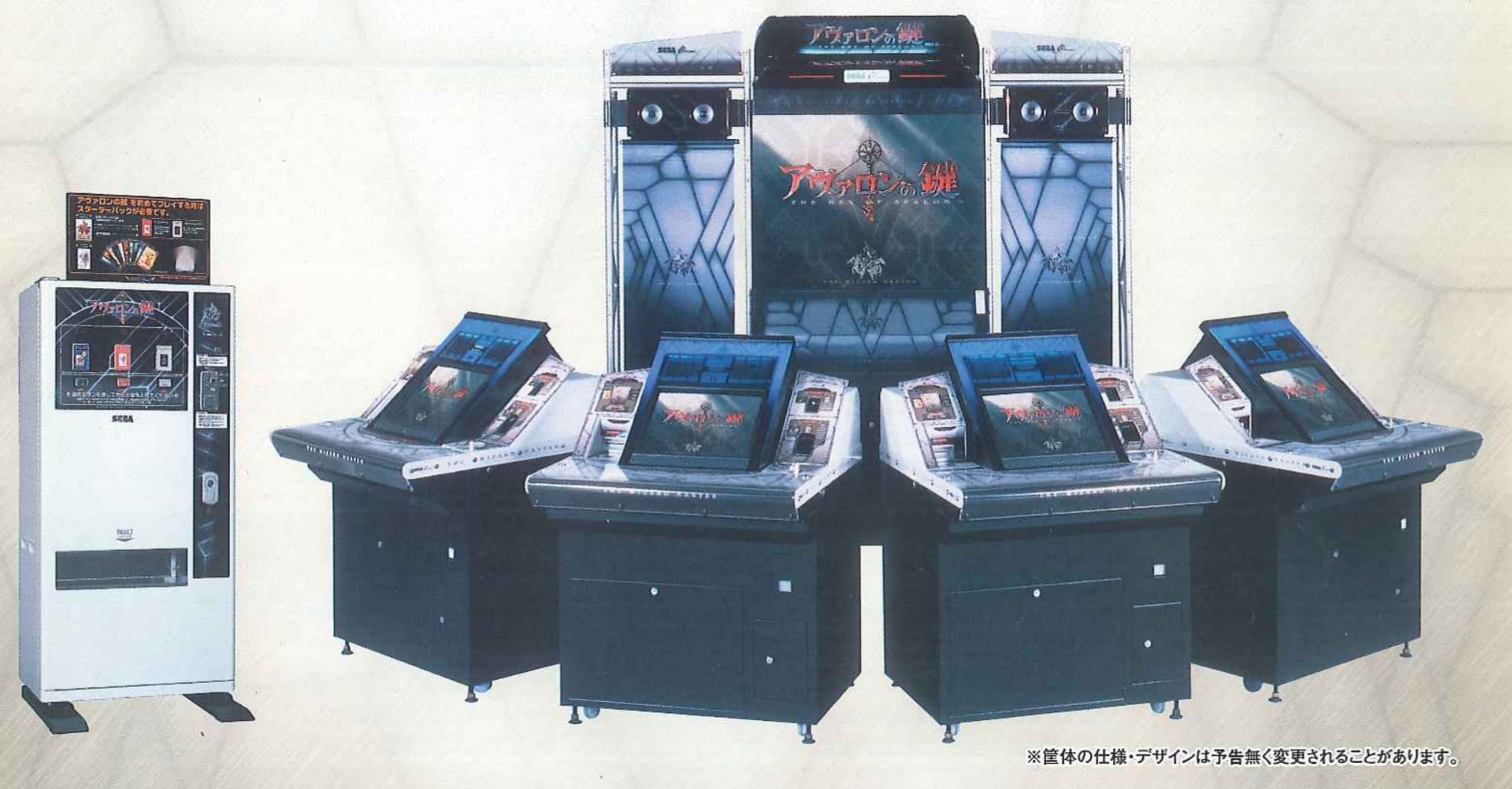
The big roadblock for emulating Key of Avalon is the touchscreen that players used to control their cards:
"The main problem with this compared to almost any special device like the playing cards or the IC cards there is no test for it in test menu, nor is any command unhandled, the game also shows no errors about it, so we currently have no idea how it works."
Crediar has made a frankly ridiculous amount of progress with Key of Avalon without access to an original arcade machine setup or documentation. Reverse-engineering much of the Triforce's esoteric hardware came down to "looking at the game’s assembly [code] and seeing which commands it sends and what responses it expects."
"What would be very useful is the manual for the game’s client hardware," Crediar said. "These manuals are extremely detailed. F-Zero AX even includes a full wiring diagram of the system, and every part of the hardware is explained. Having an actual cabinet would also help, but that seems unlikely unless someone randomly comes forward."
Fully emulated Key of Avalon feels like more a matter of "when" than if — Crediar told me he's confident it's possible even if no one ever gets ahold of a full cabinet setup. "I made quite a bit of progress in the last few days regarding the touchscreen," he told me Saturday. "We found code that parses a packet related to it. Now we just need to figure out how to trigger the read, or in the worst case we can poke the values in RAM for now."
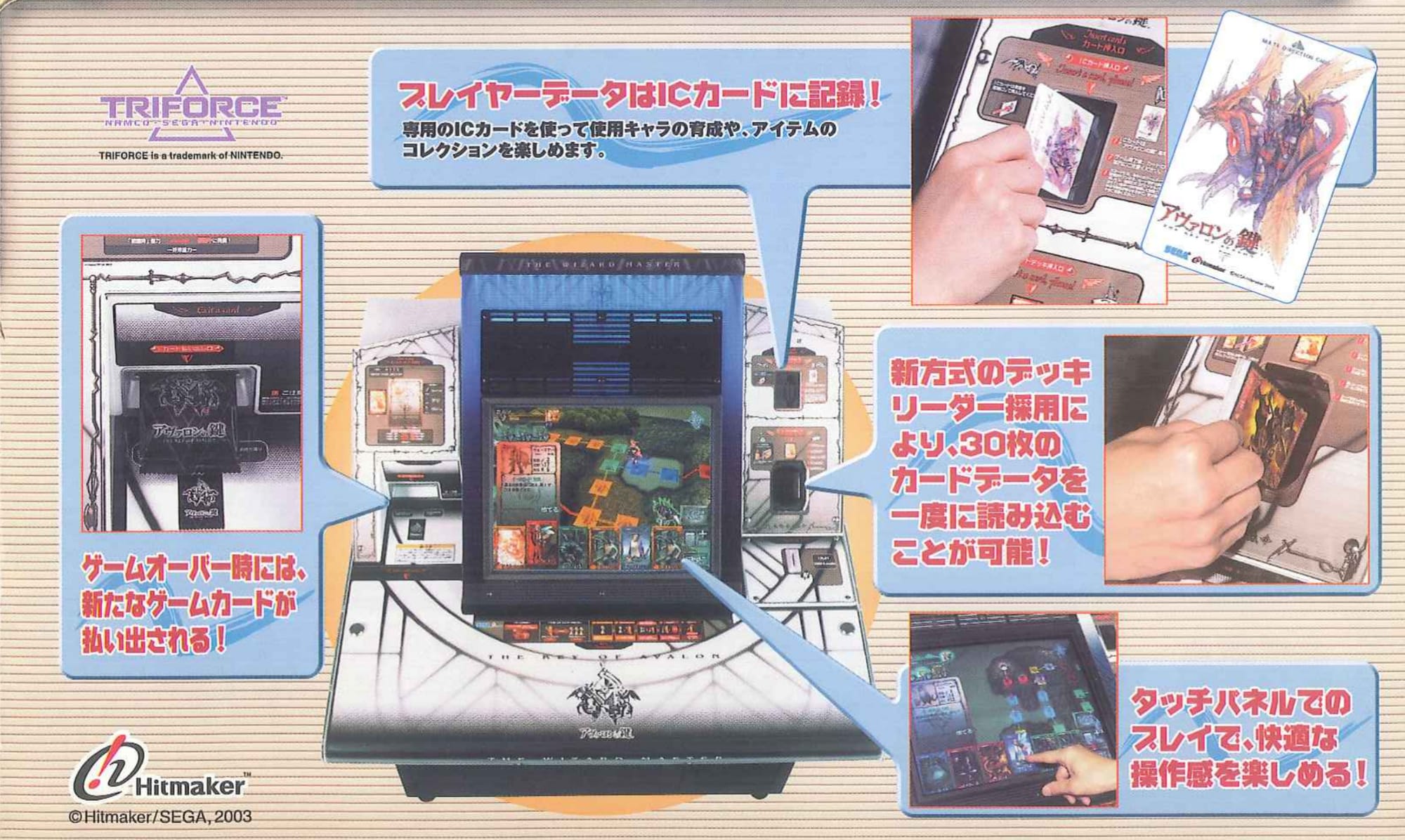
Keep an eye on the Dolphin blog for updates — with any luck, a few months from now you may be able to play what I feel fairly confident in calling one of the most obscure, inaccessible collectible card games ever made thanks to emulation.
...would it be crazy to buy some cards?
2. Another year, another Nintendo DMCA spree on Switch emulators

As reported by Android Authority last week, Nintendo finally turned its gaze back to Switch emulators after many months of relative peace and quiet, "sending DMCA notices to literally every Nintendo Switch emulator and fork that’s currently hosted on GitHub."
The complaint targeted both active projects like Eden, Kenji-NX and Citron as well as inactive ones like Sudachi — while a far cry from the dramatic shutdowns of Yuzu and Ryujinx, it's still a bummer and an unpleasant reminder that the DMCA can be used to knock open source projects offline without proof that they're actually infringing on anything.
"We believe that the affected projects were targeted for their binary distribution on GitHub," one of the developers of Ryujinx fork Ryubing posted on Discord. "Our projects continue to be licensed under the MIT license and hosted on our GitLab."
Several Switch emudevs, including some of Ryubing's, are undaunted by Nintendo's DMCA shotgun blast.
"The only thing targeted was our GitHub releases page," Eden's developers explained in a Discord update of their on February 13. "Not the source code, not our Actions workflow, nothing on our self-hosted Git instance, not even our development PR/Master/Nightly builds. ... Our development will continue as always!"
Others understandably reacted differently. Citron shut down its Discord, official cite, and presence on both GitHub and Gitlab — though according to a post on Reddit, the real reason for that was scene drama rather than Nintendo's action. That's a thorny brush I have no intention of wading into, but I do expect it means that we'll see yet another fork pop up of Citron's continuation of Yuzu eventually.
So yes, it's been a messy old week, but the end result — aside from a reminder that Nintendo will occassionally take aim at what it can under US copyright law — hasn't amounted to much. Switch emulation developers got wise to the risks when they took up the mantle from Yuzu and Ryujinx, and hosting code somewhere other than GitHub prevents this sort of drive by takedown from doing anything but removing a convenient mirror.
In other words, another brief scare, a side of scene drama, and then the emulation continuing on as before? Same as it ever was.
Patching In

bsnes-netplay supports 5-player multitap play for the true Super Bomberman experience – Okay, first off, you should go and buy Konami's new Super Bomberman collection if you're a Bomberhead, to show support for the company rounding up seven games in one bundle including their various regional versions, localized versions of Super Bomberman 4/5, and Steam Remote Play together support on PC. As official releases go, this is a rad one. But you know the hobby scene's always got a special trick up its sleeve, and the netplay-specialized fork of bsnes just got updated with multitap support for five players over the internet, opening the door to easy online play in quite a few other games.
Hey everyone! New BSNES-Netplay update is here! After a lot of hard work, multitap support is finally here, meaning netplay sessions now support up to 5 active players! Release link down below.
— Heat (@heatdev.bsky.social) 2026-02-15T15:01:20.803Z
Bomberman's cool and all, but who's up for 5-player SNES Lord of the Rings?
RPCS3 sings its way closer than ever to full compatibility – In the past, the PS3 emulator could support some, but not all, SingStar games. Why? Because while early ones used the PS3's "cellMic" API, while later ones switched to "direct USB access," RPCS3's Twitter account explained. A new commit allows you to use a standard USB PC mic in the emulator, while another fixes issues with video decoding in some SingStar games. That makes 39 more games playable, leaving just 62 games bootable but not yet playable in RPCS3, most of them for the PlayStation Move.
Yaba Sanshiro 1.19.3 arrives with a new Android UI – This is a big update for the Saturn emulator, including but not limited to:
- "Complete UI overhaul: Modern design following Material Design 3 guidelines
- Added standalone Backup Manager
- Backup data sharing feature
- Optimized button layout for small screen devices"
DREAMM 4.0 is nearly here, with beta builds in testing – Aaron Giles' LucasArts-focused emulator is close to its first release since October 2024. 4.0 includes a whole ton of new features, but the most attention-grabbing are the additional games it'll support: "All eight released Lucas Learning games, six new late-90s Star Wars titles, two new licensed games: Star Wars Monopoly and Willow." Can't wait!
Core Report

Taito's Sea Fighter calls Poseidon MiSTer – Developer Anton Gale has updated the System SJ MiSTer core to support the 1984 sidescroller Sea Fighter Poseidon. Perhaps not a classic, but hey, surf's up.
MiSTer's Update All adds CRT support – "It's no secret that running Update All (or Downloader) without extra configuration gives you no output on CRT screens. You could always 'fix' this by tweaking some MiSTer.ini options, but the results were pretty mixed," writes maintainer theypsilon. "Well, that's no longer the case. I've redesigned the UI and menu layouts to adapt to the terminal width, and adjusted many places to avoid overflowing text. It's proper responsive behavior, not a hack." Update All's new v2.5 also includes a PC launcher for arcade systems and better theme support.
The MiSTer's N64 gets a little more turbo – Over in the MiSTer Discord server, user Corn has uploaded an experimental overclocked version of the N64 core that ekes out even more speed than past efforts, which will mean a few more frames in those notoriously slowdown-prone games. It's a nice counter to the Analogue 3D's out of the box overclocking feature, though as you'd expect from overclocking a system that wasn't built to be overclocked, it's not going to work in every game. Users have reported crashes in Diddy Kong and Beetle Adventure Racing so far.
Translation Station

Bangai-O explodes with not one, but two new translations – As featured last issue, the group Roboverse has been working on a fresh translation for the N64 release of Treasure's Bangai-O... and now it's out! But bizarrely, another translation appeared too, just a day later, from solo hacker/translator deadsnare. Hopefully no one involved in either project feels like they've had their thunder snatched — while it's rare to see two translations drop at the same time, comparing them does offer the opportunity to see different approaches to localization. Whichever one you go with, I have a feeling it'll be a big improvement over the official English translation Bangai-O got on the Dreamcast back in the day.
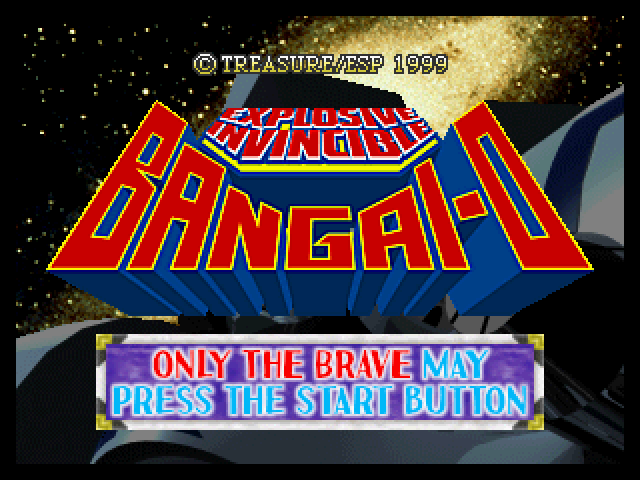
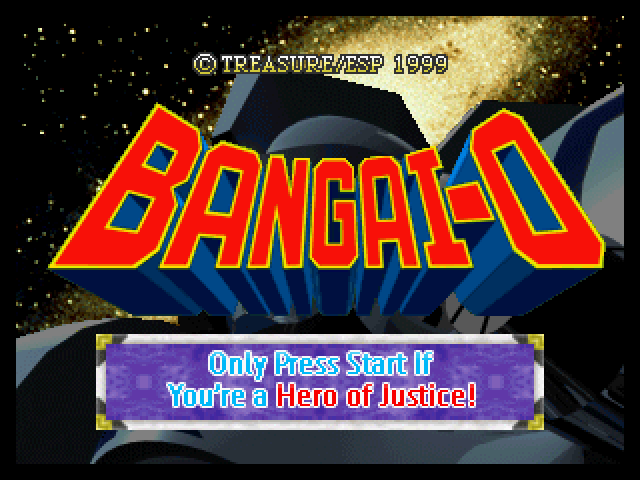
Bangai-O translation by deadsnare (first/left) and Roboverse.
deadsnare is also currently working on hacking the Saturn version of visual novel Yu-No.
Little Master 2: Knight of Lightning - A tactics RPG sequel for the original Game Boy, the first of which got a translation back in 2018. Here's an extremely thorough article on it, but if you want the short version, this strategy game's characters include Dracula, a minotaur, and a giant chicken. Good. A much quicker overview of the sequel, below:
Good pixels

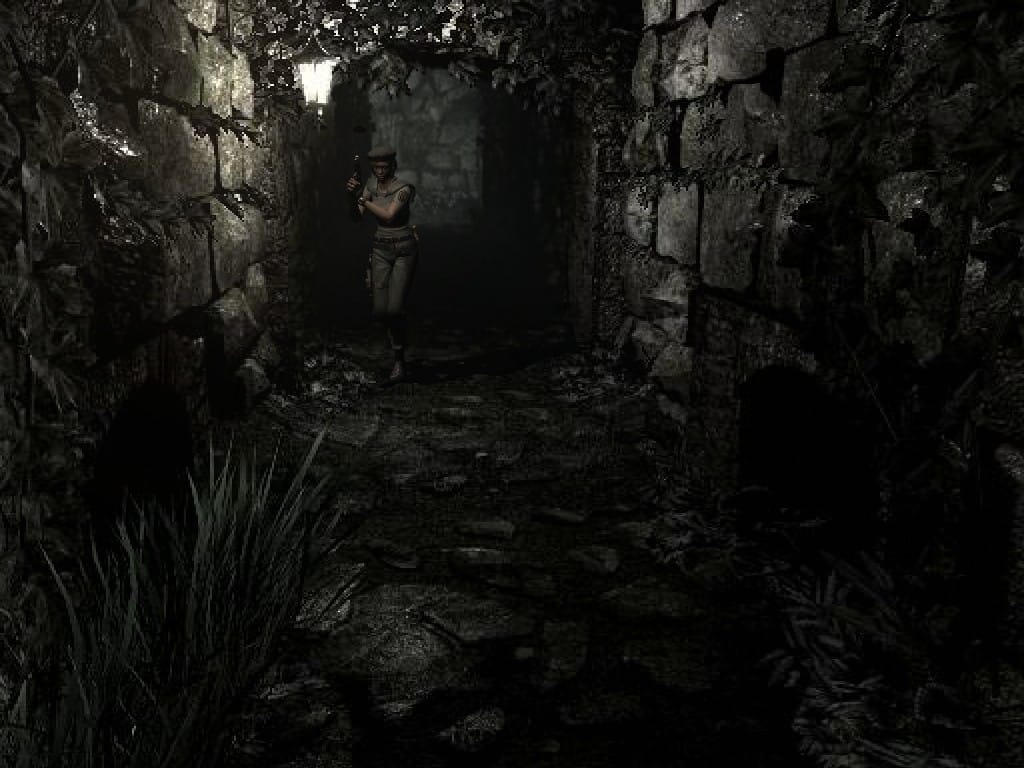
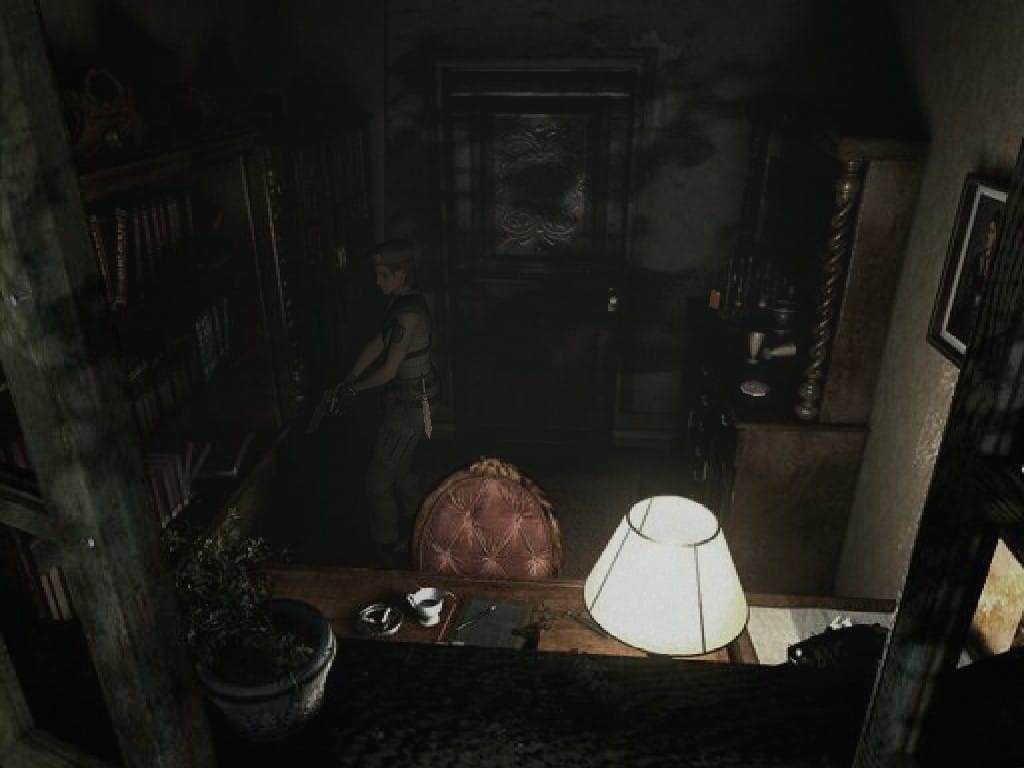
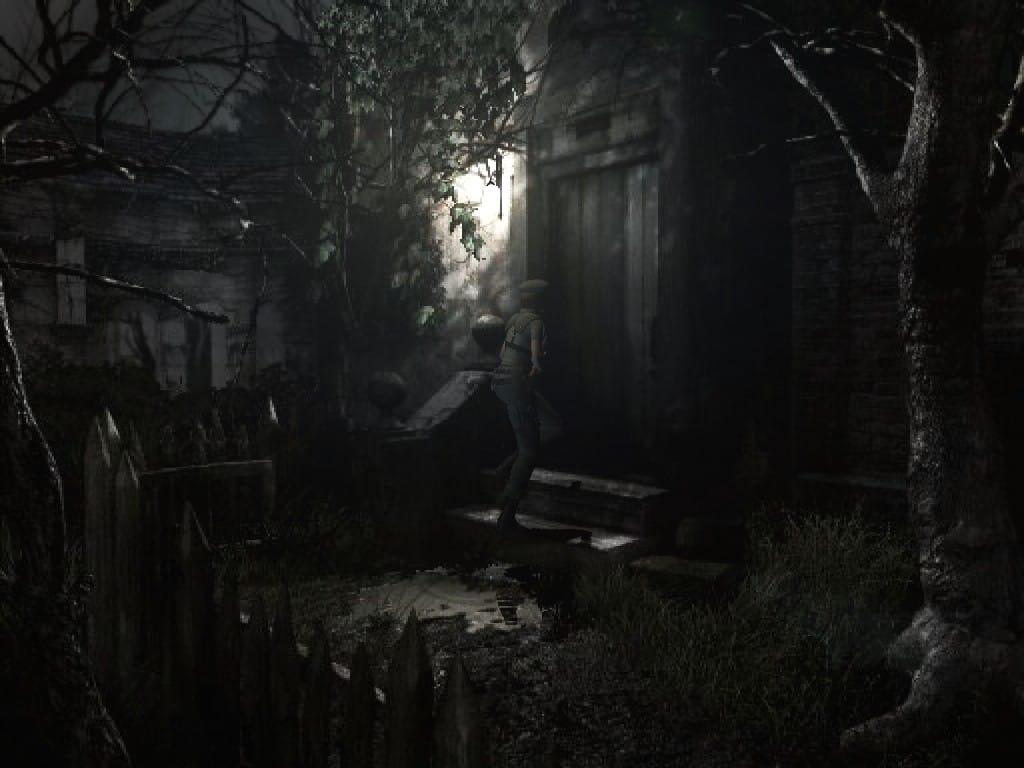
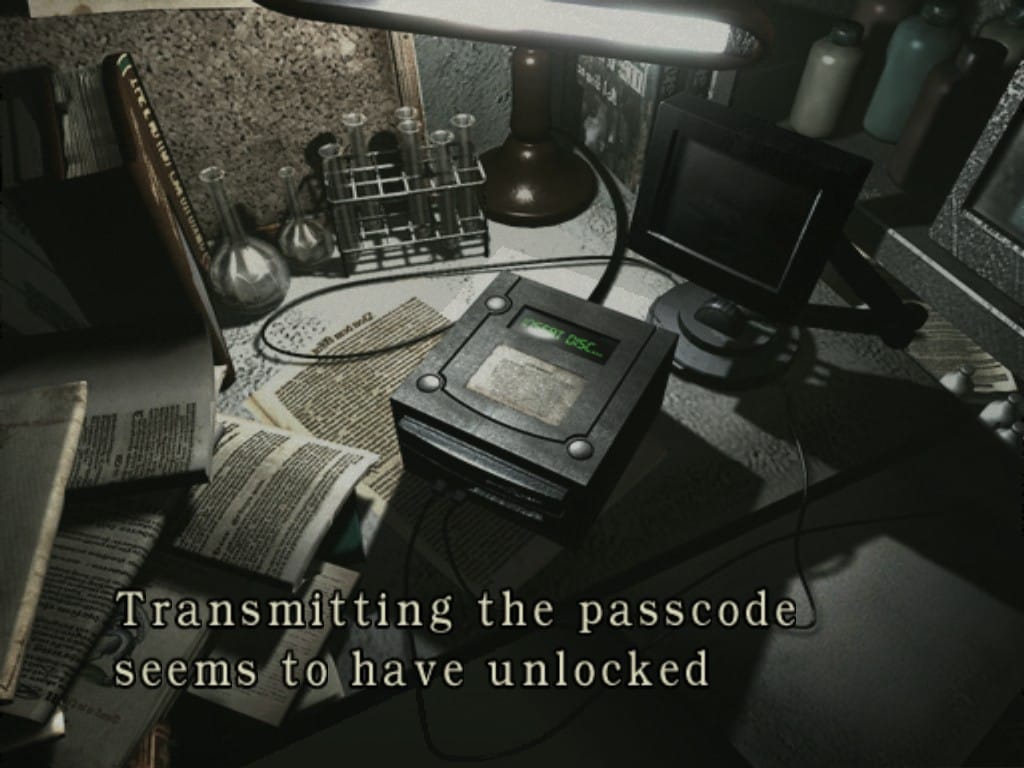
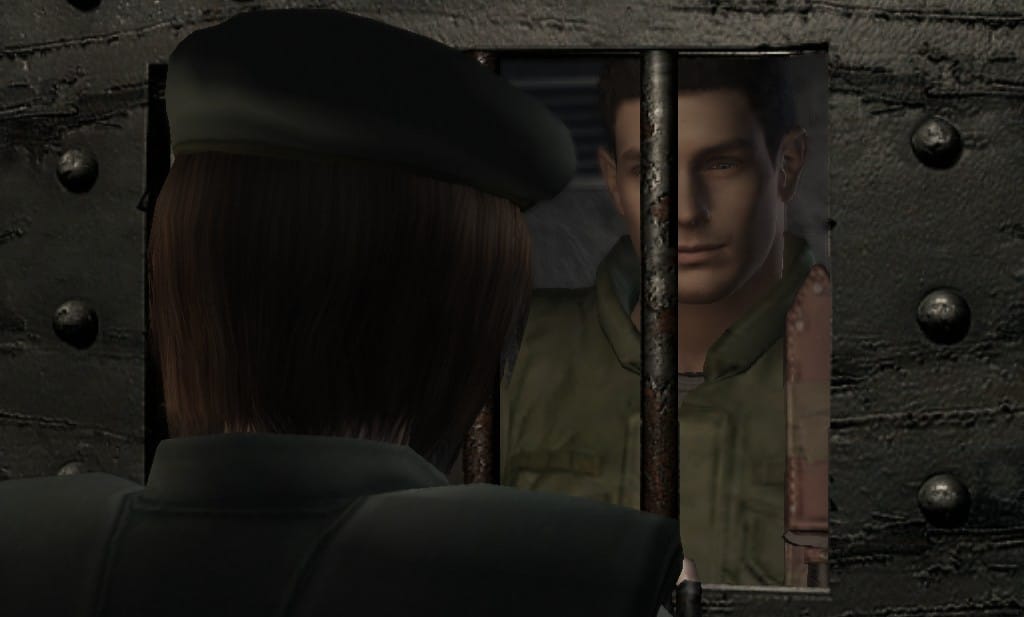
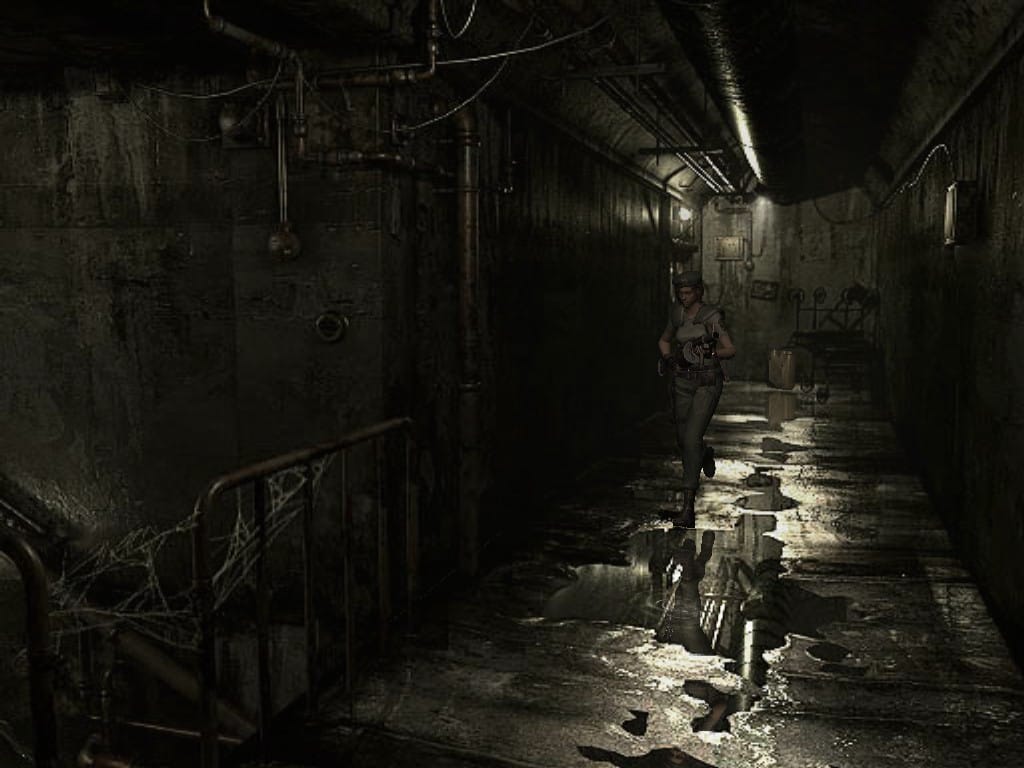
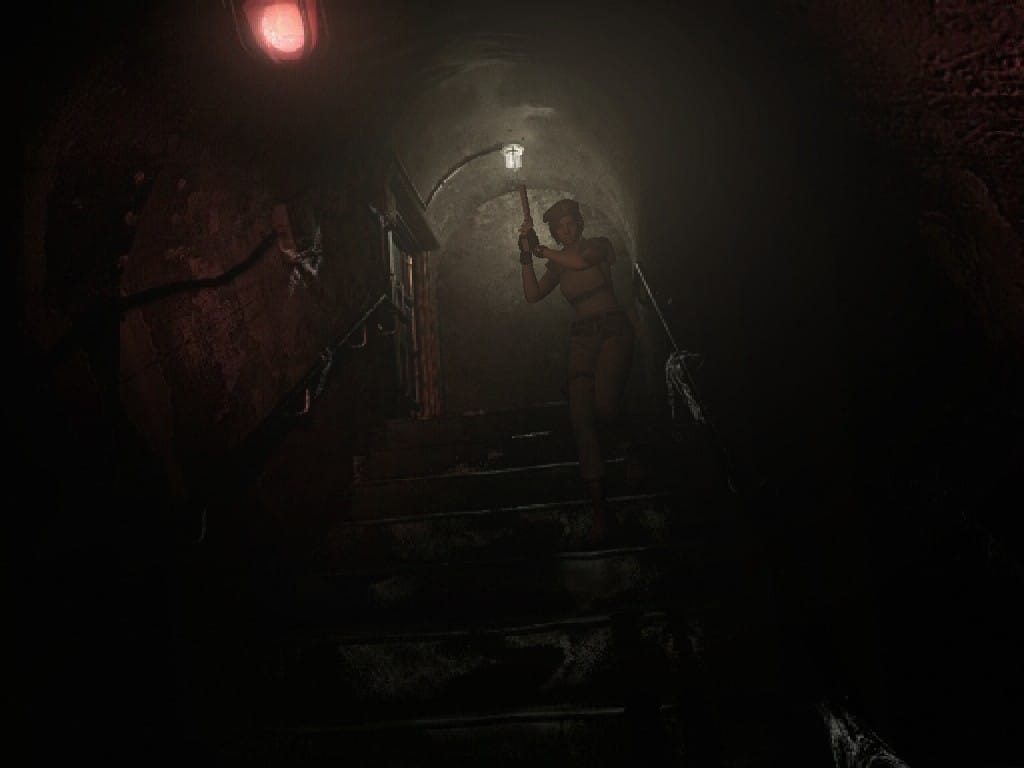
Zombies are on the brain with Resident Evil Reqiuem nearly here, so I dug up some screenshots from REmake on the GameCube, captured in Dolphin more than a decade ago. Still a gorgeous game. 💽