Hot off the presses, we've got a fun one this week! 24 hours after Hilltop and a team of contributors announced a translation of Kowloon's Gate, we hopped on a call to talk about one of those legendary PlayStation games that's long deserved to be playable by more people. I'm excited to share some of the story about how this patch came together.
As with any fan translation for a game of this size and complexity, we could go on and on about the localization, the hacking, and the game itself. This issue mostly focuses on the unique language challenges of a Japanese game based on Chinese culture, as well as the brutal hacking challenge it presented. Hopefully the English translation spurs a whole lot more writing about why the game itself is a fascinating '90s cyberpunk adventure, when that word meant something darker and frankly cooler than it does these days. More Johnny Mnemonic: In Black & White than, idk, The Surge or Cloudpunk or any game that hitches too much of its identity to neon.
This is already a long issue, so I'll hop to it — with just a small programming note that two weekends from now I'll likely be at Summer Game Fest in LA, so Read Only Memo might be delayed a week. Never fear! Different Bat-Time, same Bat-Channel.
The Big Two
1. How the English translation of PS1 cult classic Kowloon's Gate came to be
Translator Cargodin has me all figured out. Twenty minutes into my Discord interview with her and hacker Hilltop, two members of an all-star team toiling away at an English translation of 1997 art piece/FMV adventure/dungeon crawler Kowloon's Gate, she spoke aloud the headline that was already orbiting in my mind.
"People that are fans of Hilltop are going to see 'I love this game. There's nothing like it, dot dot dot: I had to eat glass.' People are going to be like, I need to see the game that made Hilltop eat glass."
"Playing the game is also a bit like eating glass," Hilltop interjected. "It's like eating the glass dust — it's not quite as bad."
But let's back up.
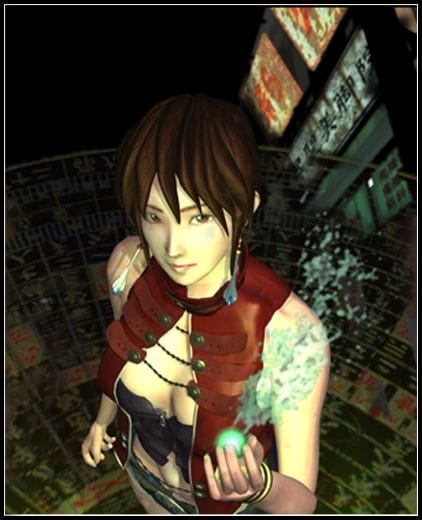
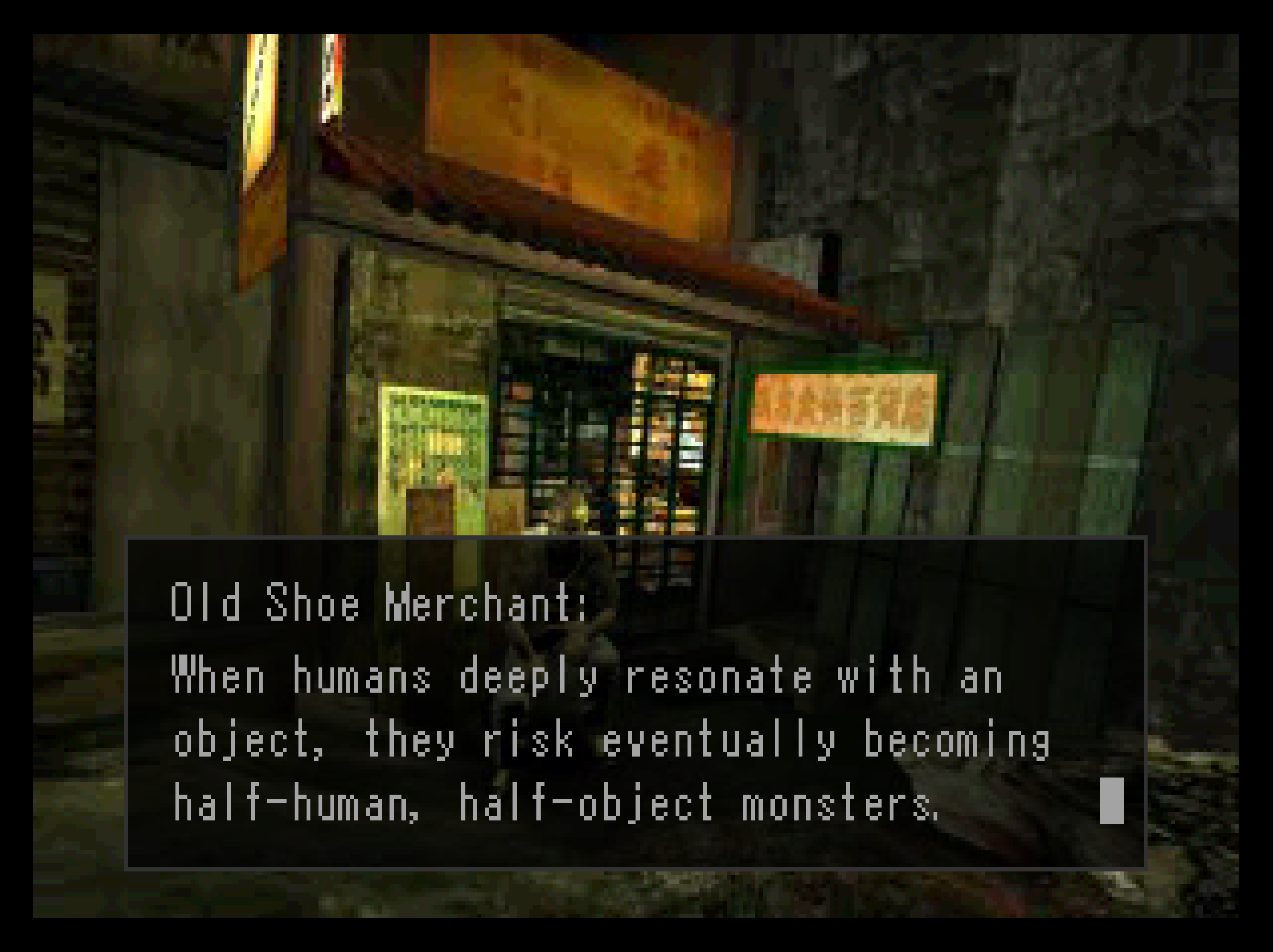
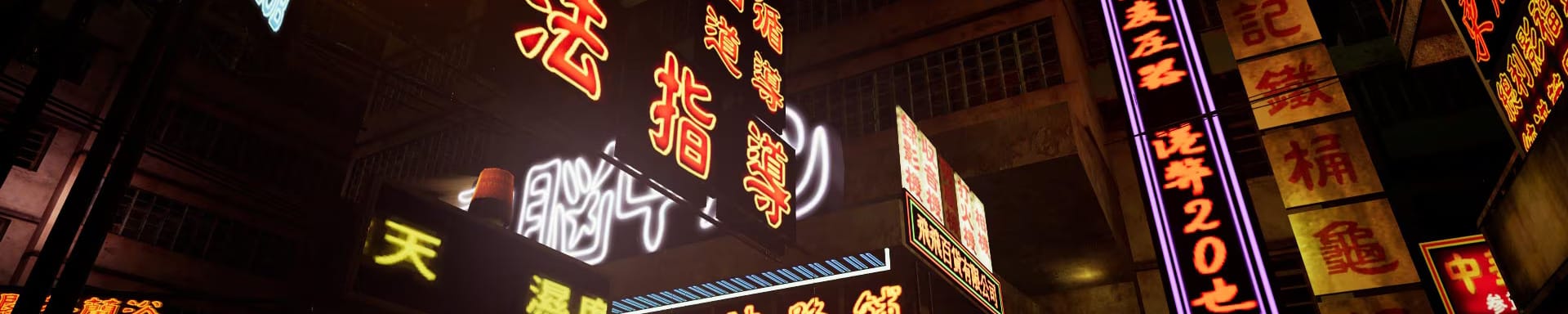
On Friday, Hilltop announced that his next fan translation patch, coming June 9th, is Kowloon's Gate. It's a 1997 game for the PlayStation published by Sony Music, the more experimental publishing arm of the game company. It's set in Hong Kong's famous Kowloon Walled City, which in the game's bizarro cyberpunk world has reappeared despits its demolition several years earlier. It was, you'll be unsurprised to find after watching this trailer, never released outside Japan.
More than five years ago, Cargodin and her hacking partner EsperKnight started working on the game, but it was clear from the start it wouldn't be easy. First, there's the setting: Kowloon's Gate is peppered with Cantonese and even has some characters who speak Vietnamese. Second, there's the programming.
"At every possible step when the developers could take a shortcut and do a one-off thing with a band-aid, they did it," said Hilltop. "The game is really, really, really resistant to being subtitled. This is the most difficult project that I've ever worked on, period."
Hilltop got involved about a year ago, after EsperKnight had done some of the initial hacking and Cargodin and other contributors had made progress on the script. Even getting to that point was, as it often is with fan translations, a long-term on-and-off process. As Cargodin explained, there's a common misconception that 2017 VR prequel Kowloon's Gate VR Suzaku — which did get an official English translation and release — lets you experience the original game, so there's no need to play (or contribute to) a fan translation. But the VR game is basically just a photo gallery, letting you briefly step back into the world. It's no replacement for the real thing. Eventually Cargodin did find someone online interested in translating Kowloon's Gate: someone named _dk, who had posted about it way back in 2016. Five years later, EsperKnight's early hacking progress was proving that a patch should be possible, so she messaged _dk to see if he was still interested. It was a longshot, but he was.
"I tried, in my naïveté, to translate it all by myself and learn about romhacking as I went along, which was why I started asking questions online about it," _dk told me. "I was quickly humbled, but those posts became how Cargodin found me. It's funny how that worked out!"
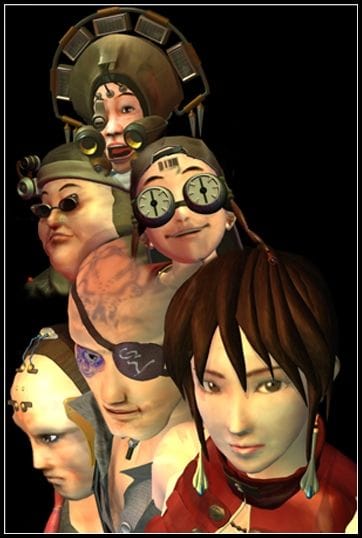
_dk was born in Hong Kong, though he didn't grow up there. After moving away at a young age, he turned to media from and about Hong Kong as a way of connecting to it, and was particularly fascinated with the Walled City. When he came across a video of Kowloon's Gate from a Japanese Let's Player, he thought it did a surprisingly good job of "making the Walled City feel like a real lived place despite dialing up the mysticism to 11."
"Most other pieces of media just treat it as a cool looking set!" he said. His translation attempt started because he wanted more players to be able to experience the game, which still has a passionate following in Japan decades later despite initially poor sales. After the last few years of combined effort to do the game justice, he praised Cargodin's commitment to accuracy.
She's a bit more self-deprecating about her role.
"Here's my lexicon, the dictionary and stuff I've been writing for it, would you like to critique it?" Cargodin remembers messaging to _dk when she first started working on the translation. "And he went, sure. And he completely ripped it apart. I was absolutely decimated. But I was also starry-eyed. I'm like, 'this is good.' Because I love when someone can actually just brutalize something I wrote. That's how I know there is freak to be matched there."
Together they collaborated on translating Kowloon's Gate's unique blend of Japanese and Chinese; _dk handled all the Cantonese, with his personal experience informing how to interpret the character dialects and giving Cargodin the resources she needed to learn more. He said that it's clear the developers spent time in Hong Kong researching for the game, which shows in the pronunciation guides they built in for Japanese players:
"It was easier for me as a speaker of Cantonese and Mandarin to tell which dialect the devs meant to use when they put the katakana in the game. My local knowledge of Hong Kong also helped in recognizing some of the landmarks that the devs referenced. For example, there is a dungeon named 遮打苑, with the katakana pronunciation チャーターコート given. A direct translation would've been 'Charter Court' but I recognized 遮打 as the name of an actual park in Hong Kong, and realized that it should be named 'Chater Court' because it was named after a British colonial officer.
More generally, translating the game's Cantonese into English could be a hurdle to those who are not familiar with Hong Kong. Cantonese has at least two major romanization schemes academically but you'd almost never encounter them in the wild. Instead, what you see as English translations of names in Hong Kong is more haphazard, almost pidgin-like. Cargodin really wanted to make sure we portrayed this part of Hong Kong authentically."
"It's a completely different game from what I played just looking at it from Japanese text, to English," Cargodin said. "So I'm very grateful to this whole experience."
After EsperKnight had to step away from the project, Hilltop decided to help get it over the finish line, despite having looked at it from afar as something he "didn't want to touch with a 10-foot-pole" because it was so complicated. There were still lots of bugs to sort out, and unlike many games, which have singular systems for, say, rendering dialogue or video subtitles, Kowloon's Gate is not so neat and tidy.
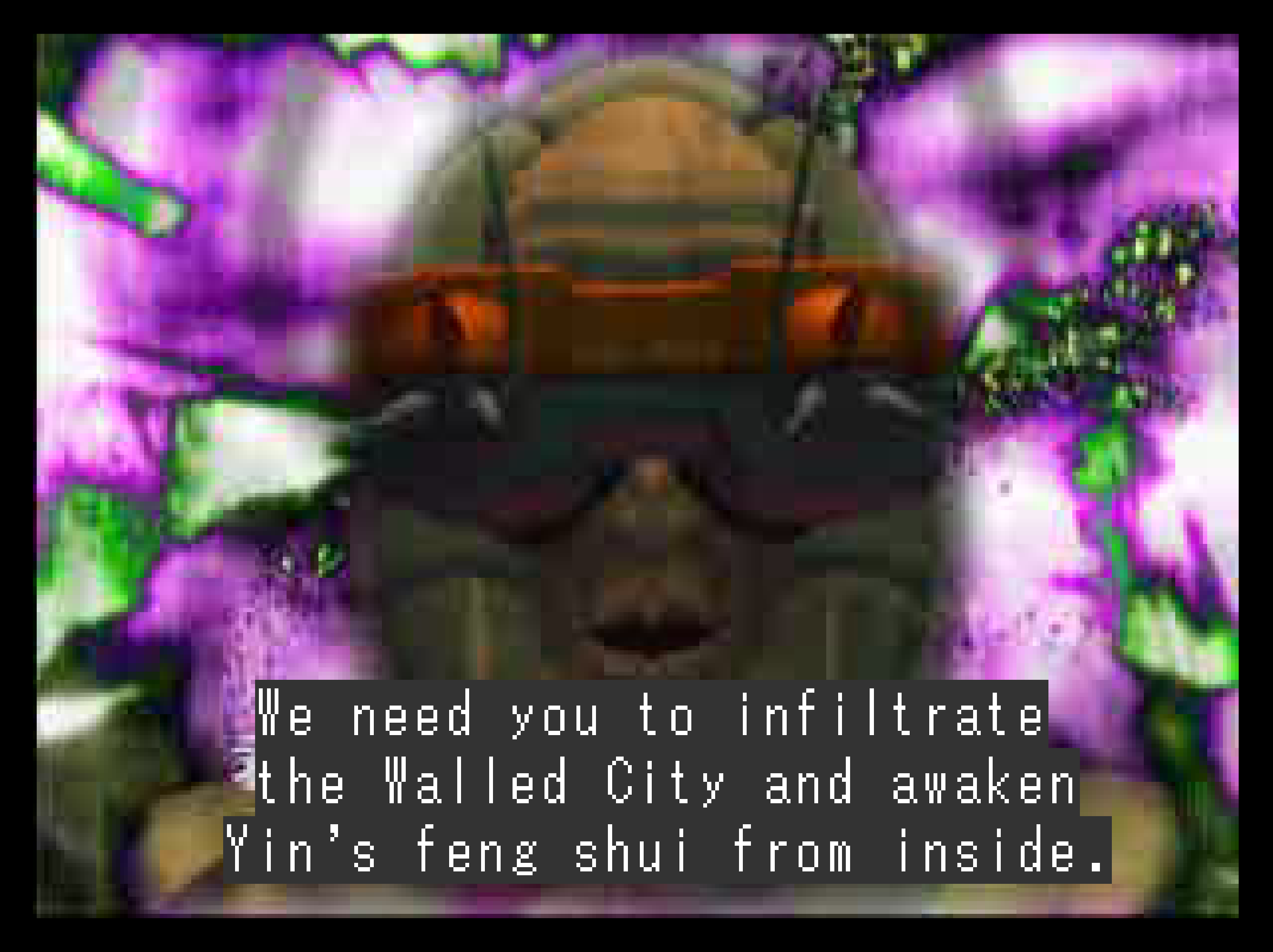
"The stuff that's going on to make the subtitles work is labyrinthine and difficult and arbitrary," Hilltop said. "You cannot stumble your way through Kowloon's Gate — it's really technically demanding. You need to understand how videos are rendered on screen, how the PS1 cuts up videos into strips and renders slices at a time, how to blit data onto and image before it's loaded onto the framebuffer to make everything work, and how to load your own font. There were no shortcuts. ... It's like chewing glass all the way through. You have all these different, tiny permutations of what to do when you want to display an image and have a voice play. There are dozens of variations that they just use for like, one scene."
"It's definitely an art piece that got made into a game, not a game that tries to be an art piece," Cargodin added.
Hilltop is a fan of the experimental stuff Sony Music was publishing on PlayStation at the time, but stressed that Kowloon's Gate isn't just a curio that's interesting because it's odd. The music itself is good. The voice acting is good. And despite his joke that playing it is also a bit like eating glass dust, he loves the challenge of hacking. He took time off work — where he also does comparable hacking at a game dev studio — to get it done. "And it was worth it," he said.
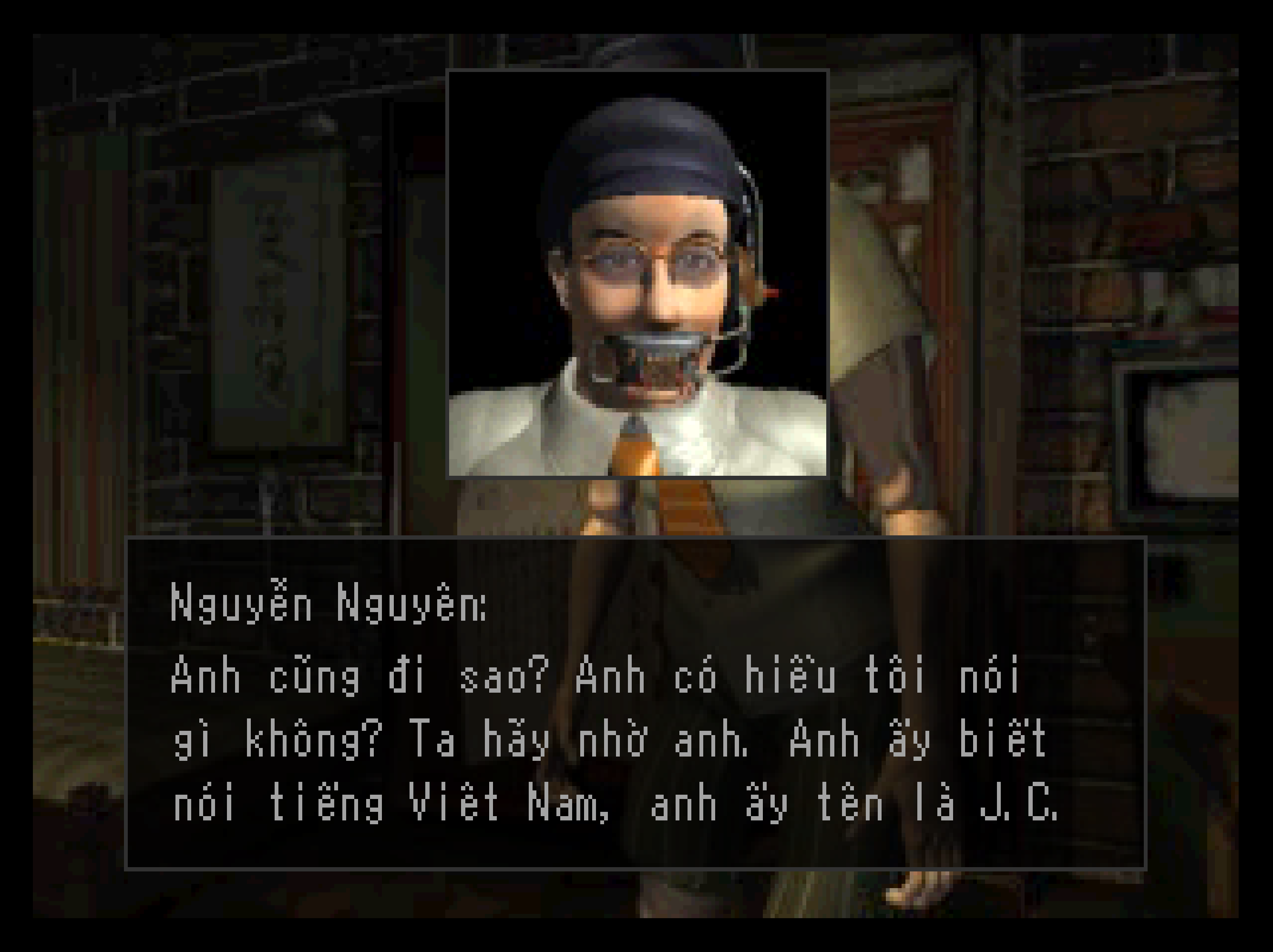
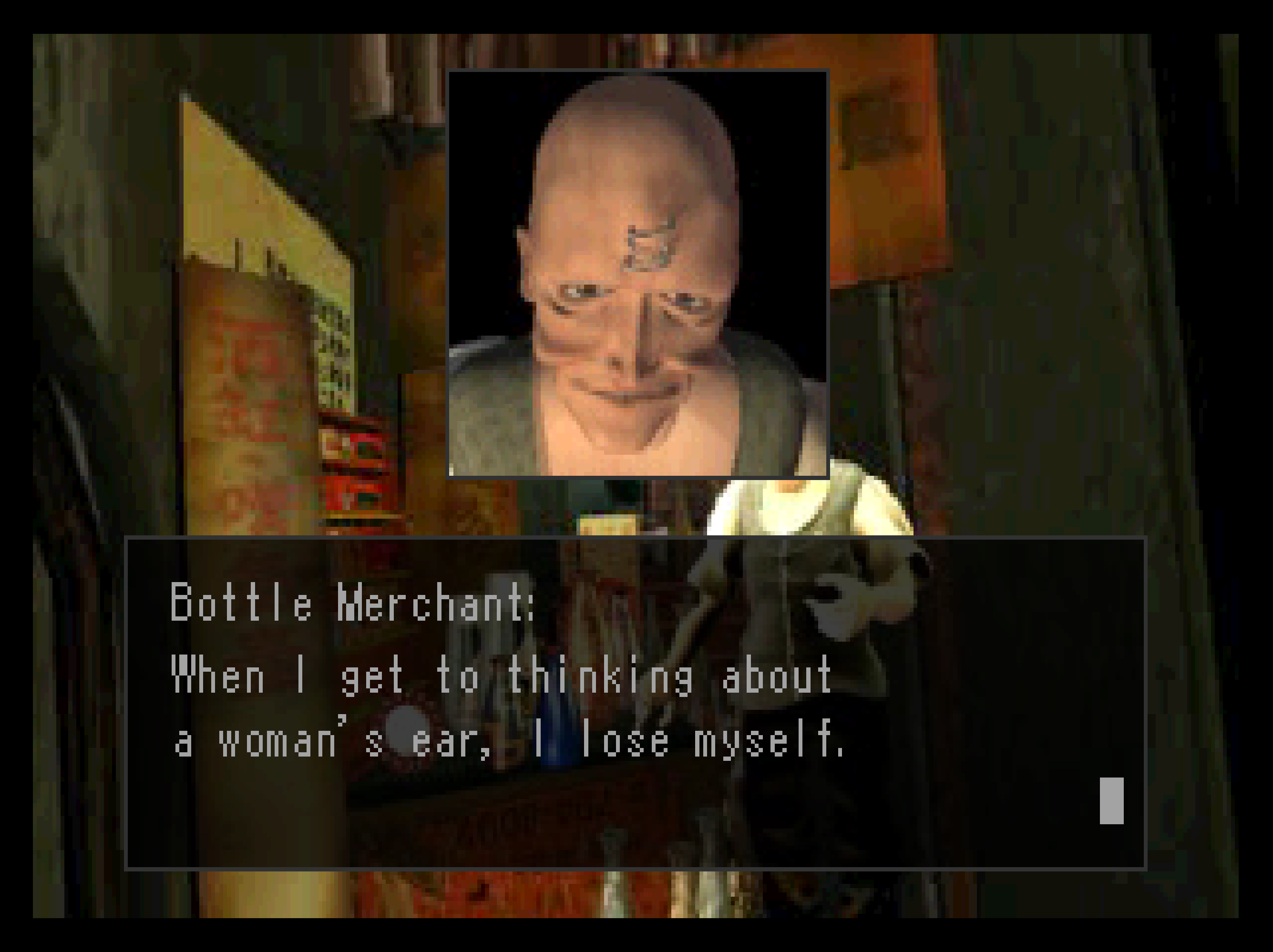
Just the process of getting to the original Japanese text was trickier than usual. Every single text box — Cargodin estimated there were about 3,000 across Kowloon's Gate's four discs — was its own individual document. Kowloon's Gate also featured some characters speaking Vietnamese, which in-game wasn't even written out — it would just say something like [Speaking Vietnamese], which most Japanese players wouldn't be able to understand. The team recruited volunteers Neutronoid and Ninkintn to transcribe the speech by ear and add it into the game in written Vietnamese; they had to manually add a font that could display the language's diacritics correctly.
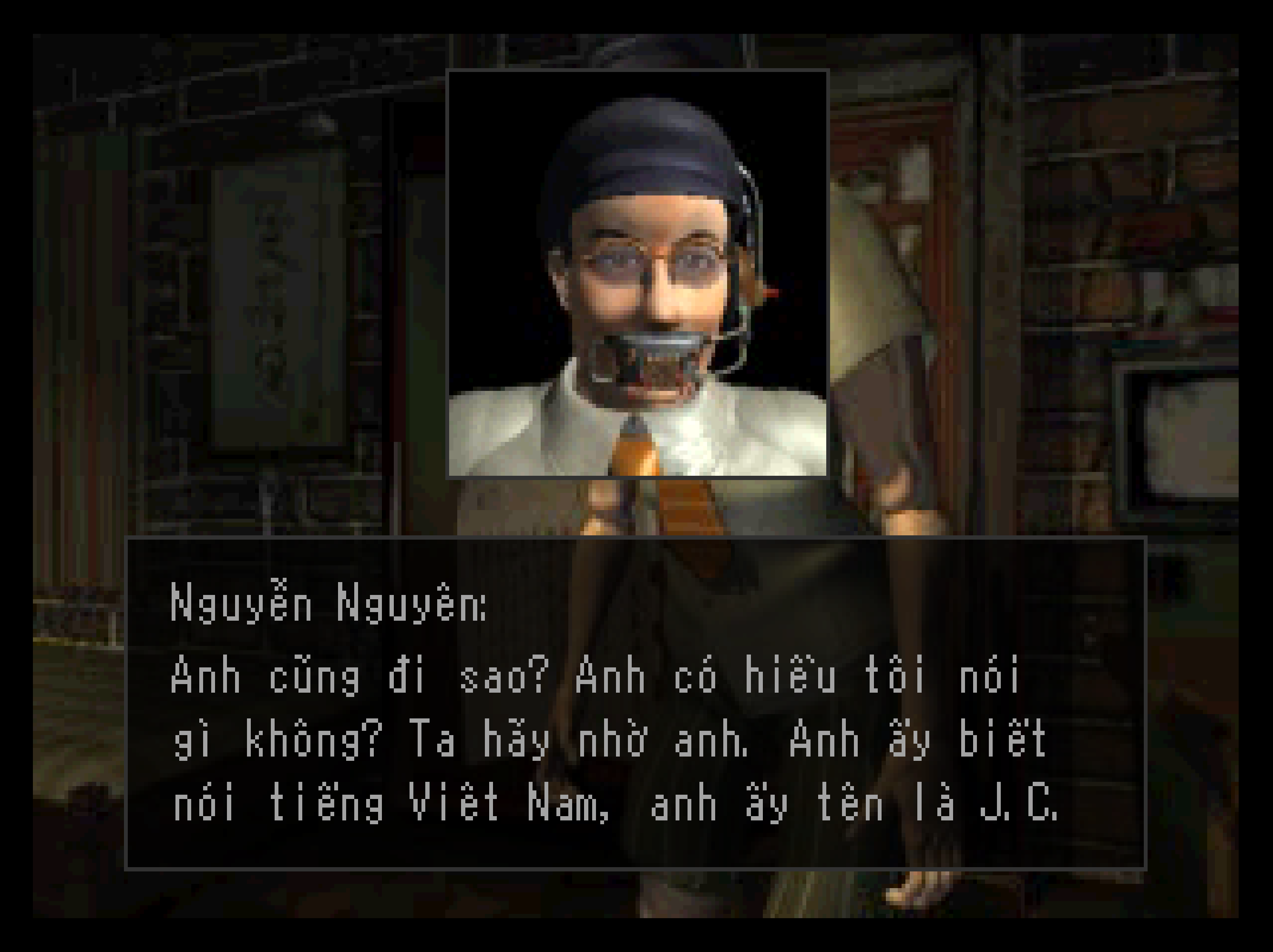
English-speaking players still get the experience of hearing (and now also reading) a conversation they likely don't understand, but as a bonus an English translation of that text from Neutronoid and Ninkintn will also be included in the patch's readme. The same goes for an in-game TV program called Happy Hour you can watch; it's plastered with Cantonese graphics and looping audio that gives you little clues and hints about the game world. That sounds like something you'd want translated within the game, but remember that a Japanese player at the time likely wouldn't understand the Cantonese, either; putting a translation in the readme keeps the English patch faithful to the original experience. (It was also yet another one-of-a-kind system Hilltop would've had to hack in subtitles for).
They ran into some fearsome bugs as they worked to insert all the translated text, and bugs that were already present in the shipping game made playtesting trickier. At one point they discovered that making a specific character's name too long, in English, made it so you could no longer interact with them using the Circle button. You had to press Triangle — which is otherwise never used in Kowloon's Gate. (The extra characters in the name were, somehow, corrupting the scripting logic). In one of its strangest design decisions, the game would simply stop rendering new frames when audio was playing over a static image; Hilltop had to figure out how to make it keep rendering new frames so that they could draw subtitles as the audio played out.
In just the last year, it's become increasingly common to see fan translations released by single hackers, largely relying on AI tools like Claude or Gemini to both hack the game and machine translate all the text. Hilltop already said his piece on that trend in a long essay. But he and Cargodin also see this project as proof of why that approach just fundamentally doesn't work for doing a game like this justice.
Cargodin pointed to one of her favorite characters, Bowler Hat Man, who is "supposed to be symbolic of the British imperial influence over Hong Kong." In the original Japanese dialogue he'll occassionally toss in an English word, so Cargodin reached out to a friend in the UK to give him a "floral, British-as-fuck" localization pass.
"Now I'm way more attached to Bowler Hat Man than I would have been, because I know I couldn't have done this as well," she said. "I have relationships with these people, and I'm way more attached to Kowloon's Gate because of that. That's why I'm so sad when a project is like, 'two people worked on it, and [one] was the computer, and the computer's still [visible] in the scripts."
Hilltop described Kowloon's gate as "maybe the most game of linguisitic telephone that has ever been."
"It's a game about the Hong Kong area, from Japanese devs, and here we are translating it into English. It also borrows a whole bunch from other parts of Asia. All those elements get mixed and cook together. There's so much to sift through and make decisions on. This is a patch that needed to be worked on by this many people, or it just wouldn't have been right."
 Wes Fenlon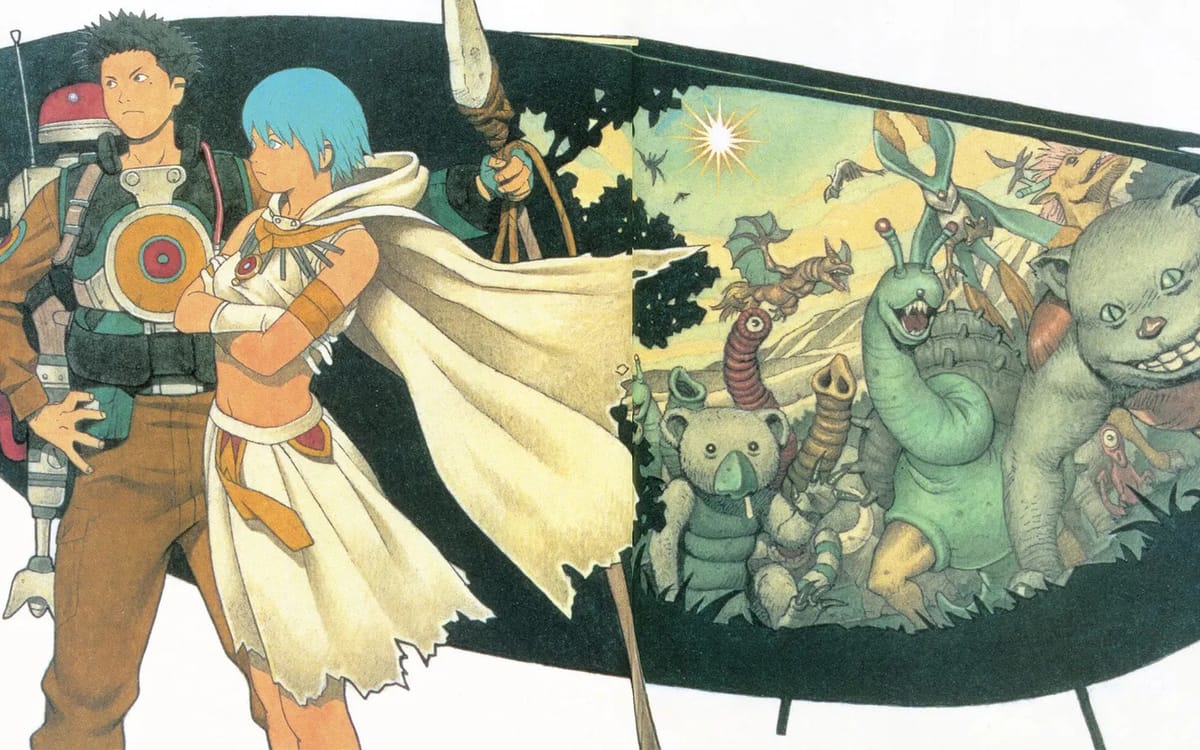
Much like Cargodin and I discussed about subversive Japanese RPG Linda Cube Again, there's also so much to Kowloon's Gate beyond just being "insane," a reductive label slapped on too many Japanese-only games with cult appeal:
"Linda Cube is an extremely belly-up story about parenting, about loss, about closure and acceptance after tragedy and trauma, and it just kind of gets written off as 'LOL murder Santa game,'" she said. "I want people to go into [Kowloon's Gate] and say, okay, this is actually a historic fiction text with droves and droves of research that went into making this make sense. It's a pragmatic story that it's telling through a lot of intense visuals.
You can sensationalize it — Japan was sensationalizing Chinese culture and esoterica and Hong Kong specifically here, but I don't think you're going to run into a story [in another game] about Kowloon that actually features Chinese-named characters. Stray, Blade Runner — no Chinese identity whatsoever even though they're based on these things."
Kowloon Walled City remains a fascinating place and moment in time for _dk and many others because it "represented Hong Kong, which defies easy generalizations."
"That it thrived even when the rest of Hong Kong wanted it gone is downright inspiring," _dk said. "It symbolizes, in a way, the can-do and communal spirit of Hong Kong that so often gets overlooked under the shiny image of the Hong Kong that its officials want to project: a global financial hub."
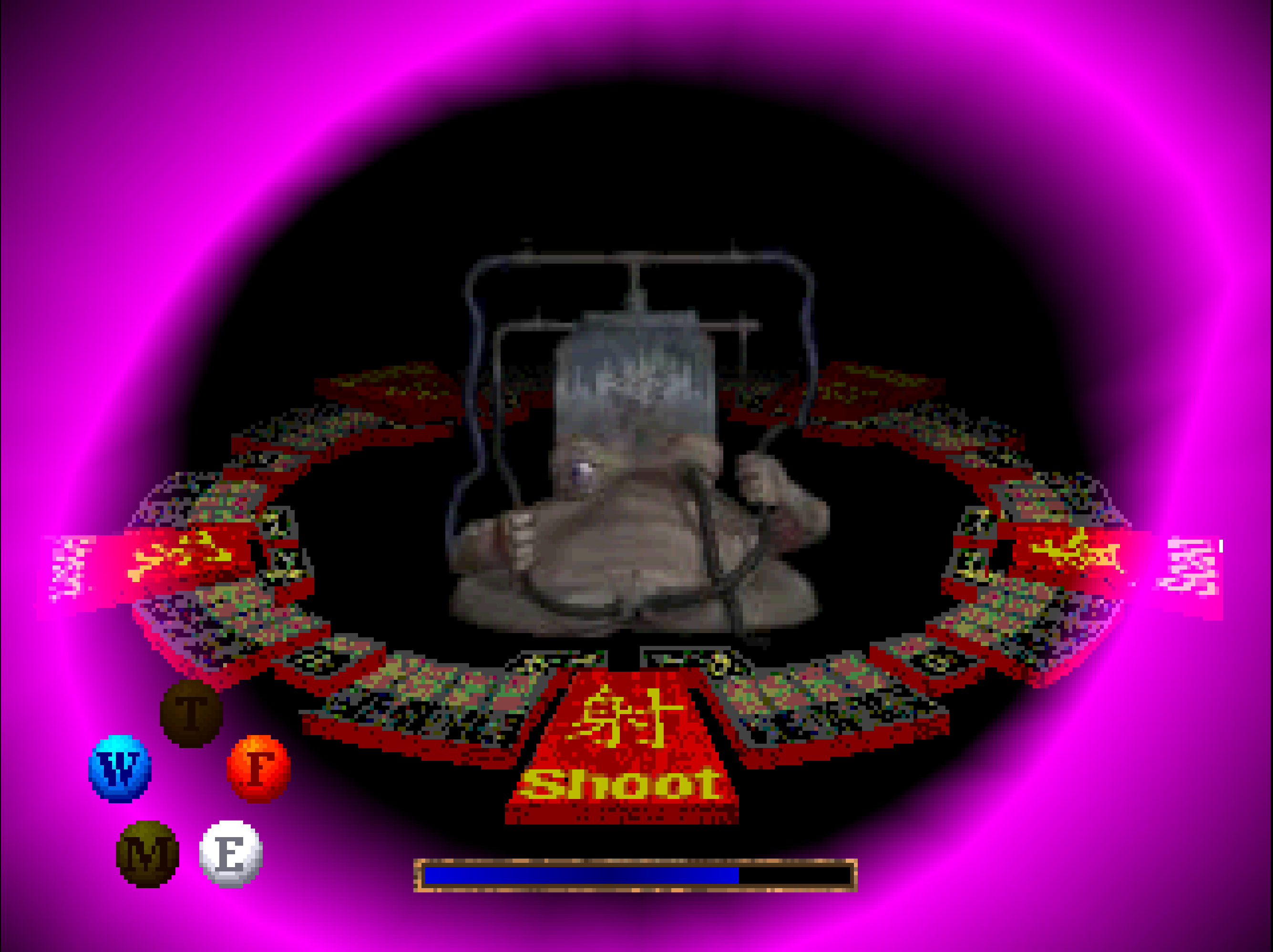
_dk praised the characters in Kowloon's Gate with stalls selling extremely specific goods: mirrors, springs, loofal sponges. That mirrors the real Walled City, where the denizens of one apartment "would make fish balls while the one next door could be making cocaine, and down the corridor there would be a dance hall with lady dancers." One of the developers encountered someone selling exclusively leeks in the real Hong Kong, which inspired the character of the Young Shrimpg Peeler in the game.
"What's more is that these people talk! _dk said. "Not only to you the player, but to each other as well (stopping short of actually walking around, because of technical limitations) or through the game's email system. Which, incidentally, touched upon Hong Kong's underground hacking scene in the 1990s. I initially thought it was something they coincidentally thought up as a plot device, but no! They actually knew to interview Kowloon Kurosawa (infamous for Hong Kong 97) who had been writing about the homebrew hacking scene in Hong Kong and southeast Asia!"
You'll be able to experience Kowloon for yourself soon. The Hilltop patch will be out on June 9. If you support the Patreon before then, you can get your name in the English credits.
2. It's hip to be a (rotating) square

That was a long 'un, so I'm keeping entry two here real short this week. I've been more drawn to the Anbernic RG Rotate than just about any other gaming handheld design of the last couple years. I love that it conjures up the creative design spirit of early '00s phones, is quite compact, and has a clear vision for what it's best suited to with that square screen and simple face buttons.
There's no analog stick here, because the RG Rotate is not trying to be one of the many it-can-play-everything handhelds. Anyway, here's a thorough video from Retro Game Corps putting it through its paces.
If you're thinking about buying one, the Bluetooth latency seems like the biggest downside to me right now. Maybe that's something Anbernic can improve via software update? It's not a slam dunk, best handheld to buy situation, but at under $100 in these cursed times I don't think it has to be. If you're getting one of these things, it's all about the novelty.
Patching In

Azahar 2126 alpha tests GPU improvements – The next build of Azahar implements GPU timing emulation, bringing it closer to the original console. Luigi's Mansion: Dark Moon "is now made playable without use of the 'delay render thread' option with this change, but likely impacts many other games as well." Also fixes a loading issue with Super Mario 3D Land saves.
Yaba Sanshiro gets a big update on Android and Windows – A cheat browser and a new shader method that makes for more accurate representation of the Saturn's graphics, as detailed by Sega Saturn Shiro. Yaba Sanshiro's pretty frequent Android updates keep progress flowing steadily, but this is the first Windows release developer miyax has called out in quite some time; it's also unfortunately not at parity with the Android version, currently lacking RetroAchievements and leaderboards.
PCSX2 makes sure everyone knows its policy on LLMs – I keep hearing about open source projects being inundated with vibe coded commits, so it's nice to see a big one like PCSX2 lay out specific guidelines that contributors must declare if they used an LLM, can only use it for a portion of the code, and must be able to explain what their code did without relying on the LLM.
PPSSPP makes its ad-hoc multiplayer easier to join – In its last planned update till Christmas, PPSSPP builds on its most recent release with some multiplayer changes: "Ad-hoc servers can now have live status displayed directly in the app, where you can see what games are being played, and by who." There's a server listing page, too.
Ares JITs its way to faster N64 performance – A "huge amount of code" went into this overhaul, resulting in some pretty major performance improvements (VPS is basically how fast the CPU is running): Mario Tennis went from 86 to 125 VPS, Conker went from 112 to 182 VPS, etc. Vroom vroom!
Core Report

Gradius 3 joins Jotego's cores, while Red Earth boots – Jotego subscribers can now play Gradius 3 on the MiSTer, while Capcom's CPS3 fighter get closer to playable.
Red Earth booting up in simulation, all layers finally visible. Very short simulation, but sound works, graphics works. Palette and garbled tiles are easy to fix, no worries. #MiSTerFPGA #CPS3 pic.twitter.com/z6EbMuRS74
— jotego (@topapate) May 22, 2026
Looking good, Mr. Firebird & Watch – The MiSTer now has a core for Nintendo's eeeearly days, 1980 arcade shooter Space Firebird. And that's not all! There are also updates to the Tamagotchi and Game & Watch, making them compatible with more games and hardware.
China Gate and SD Gundam Psycho Salamander no Kyoui join the party, too – What a month for arcade MiSTer releases! A Technos beat 'em up and Genki shooter, I hadn't heard of either before these cores dropped. Both are 1.0 releases, and you know I gotta drop the Gundam footage. I don't think it's going to win any awards for best Gundam game ever, but, cute.
Developer rmonic79 is already working on their next core, too: Act-Fancer.
Translation Station

PS2's Simple 2000 series Taisen! Bakudan Poi Poi bombs it up – I love that there's an entire line of PS2 games that's basically "this is the craziest idea we could up with and execute on in like 6 months" and here's one of those games about throwing bombs at people. Considering the brevity of the story, the translation seems plenty capable.
Lupin is back again! – Not long ago I covered a Lupin game for the Sega Saturn getting a translation, and now here we are with the SNES game Densetsu No Hihou O Oe! (Hunt for the Legendary Treasure?) with a Spanish/English translation patch. Translator Jackic has done loads of Spanish (and some Catalan) patches, but only a few in English. The text here is pretty simple, though, as you spend most of your time exploration platforming through samey, mazelike levels, so I bet this gets the jobe done and then some!
Good pixels

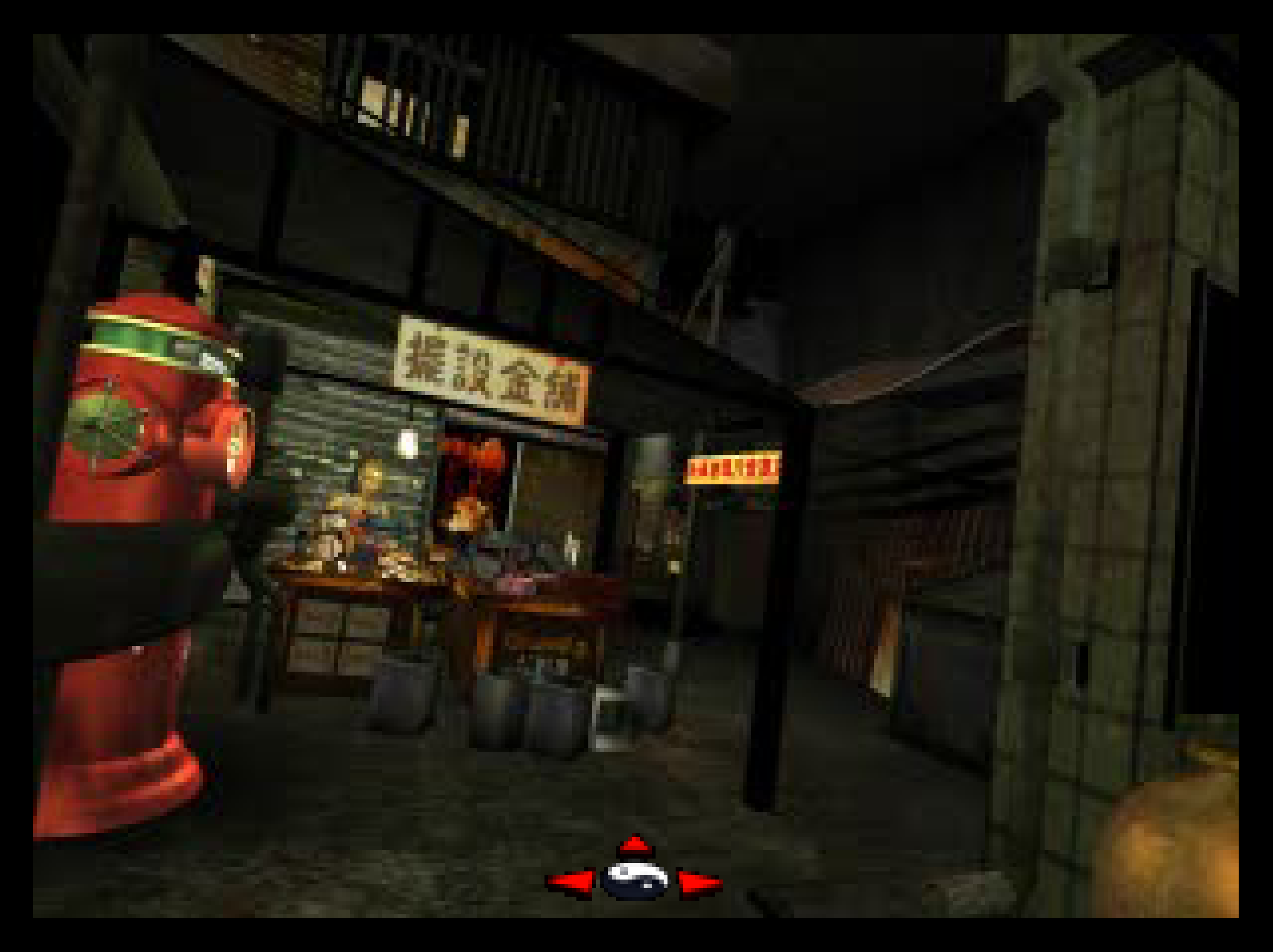
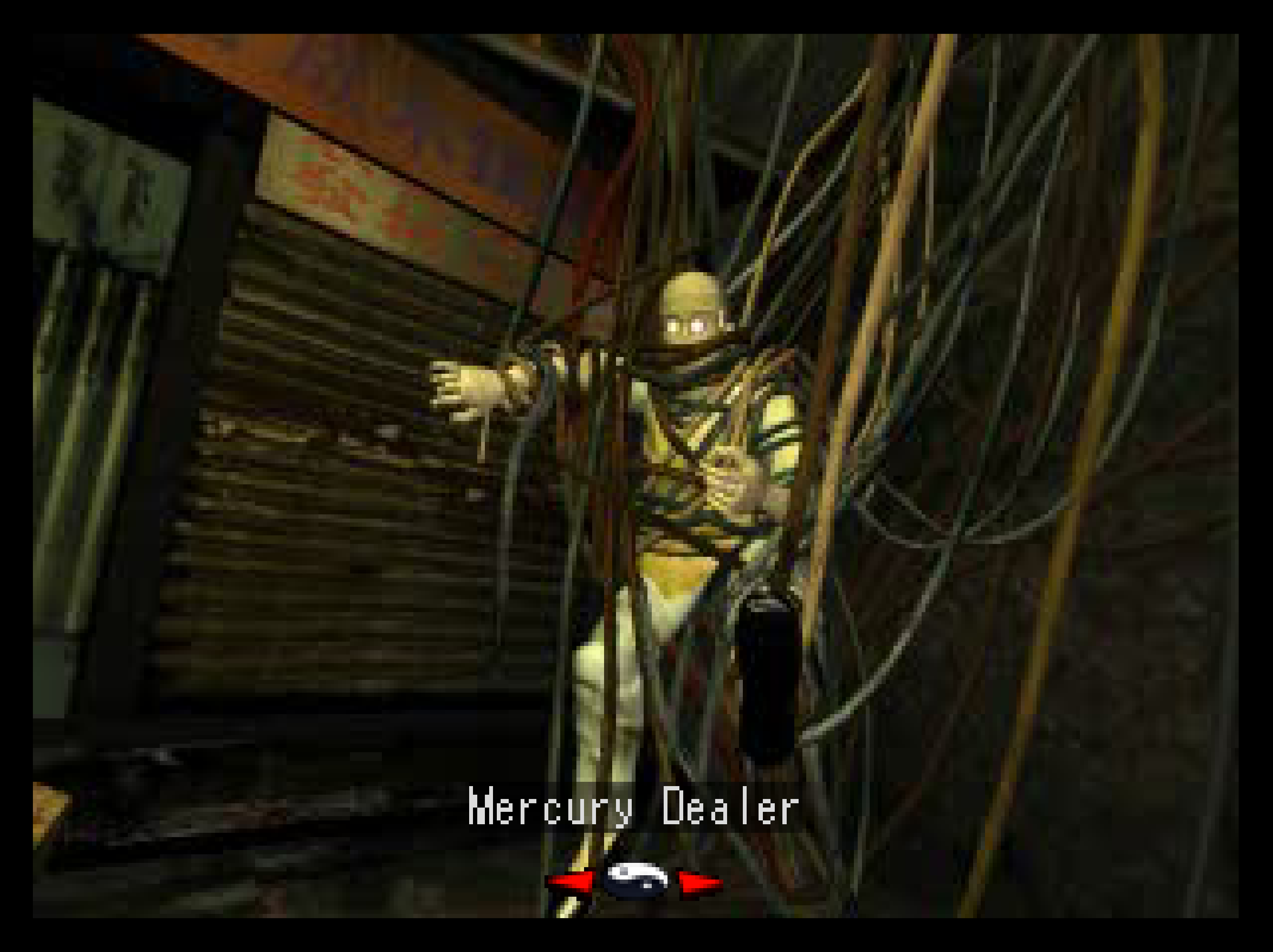
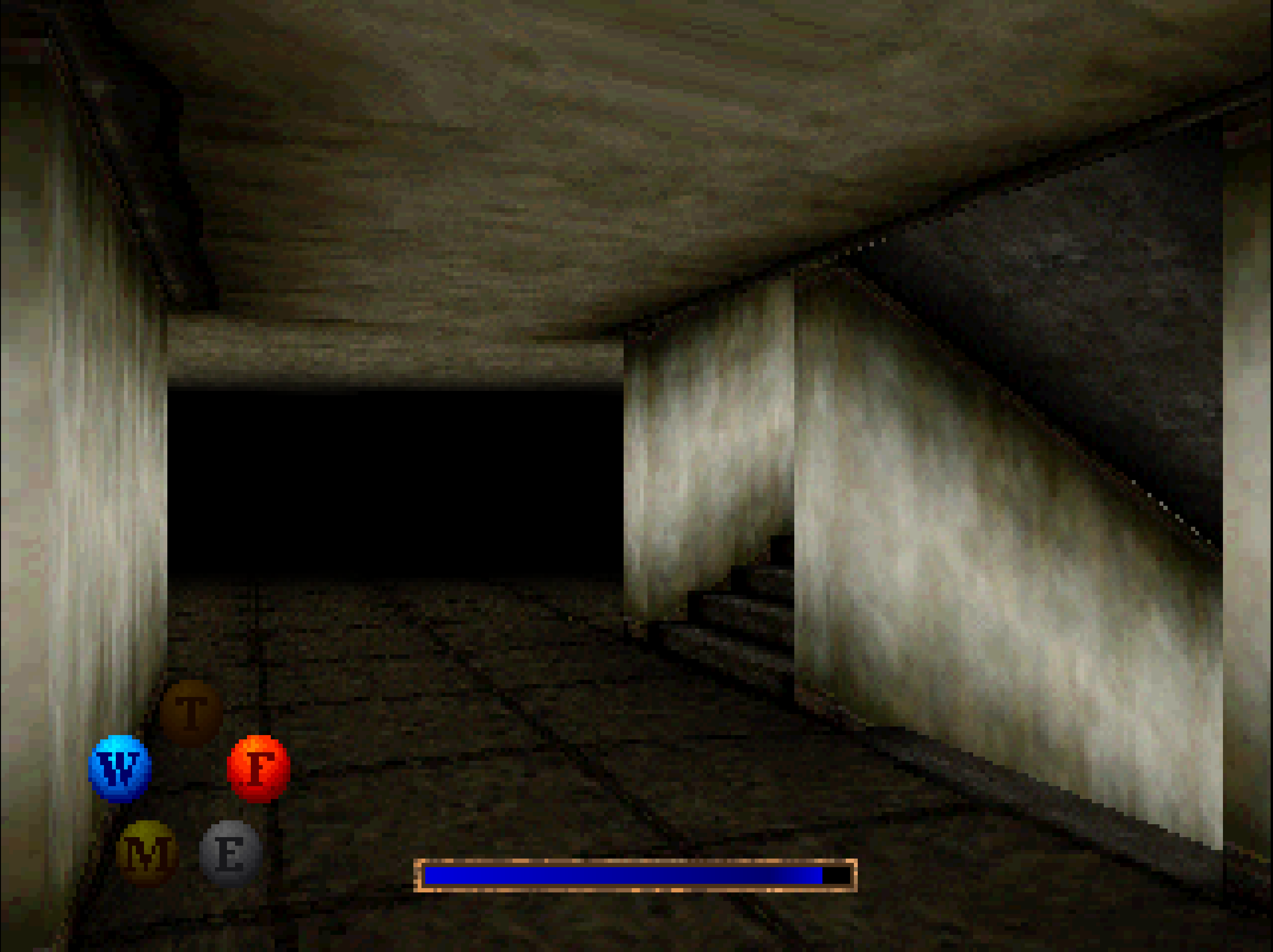
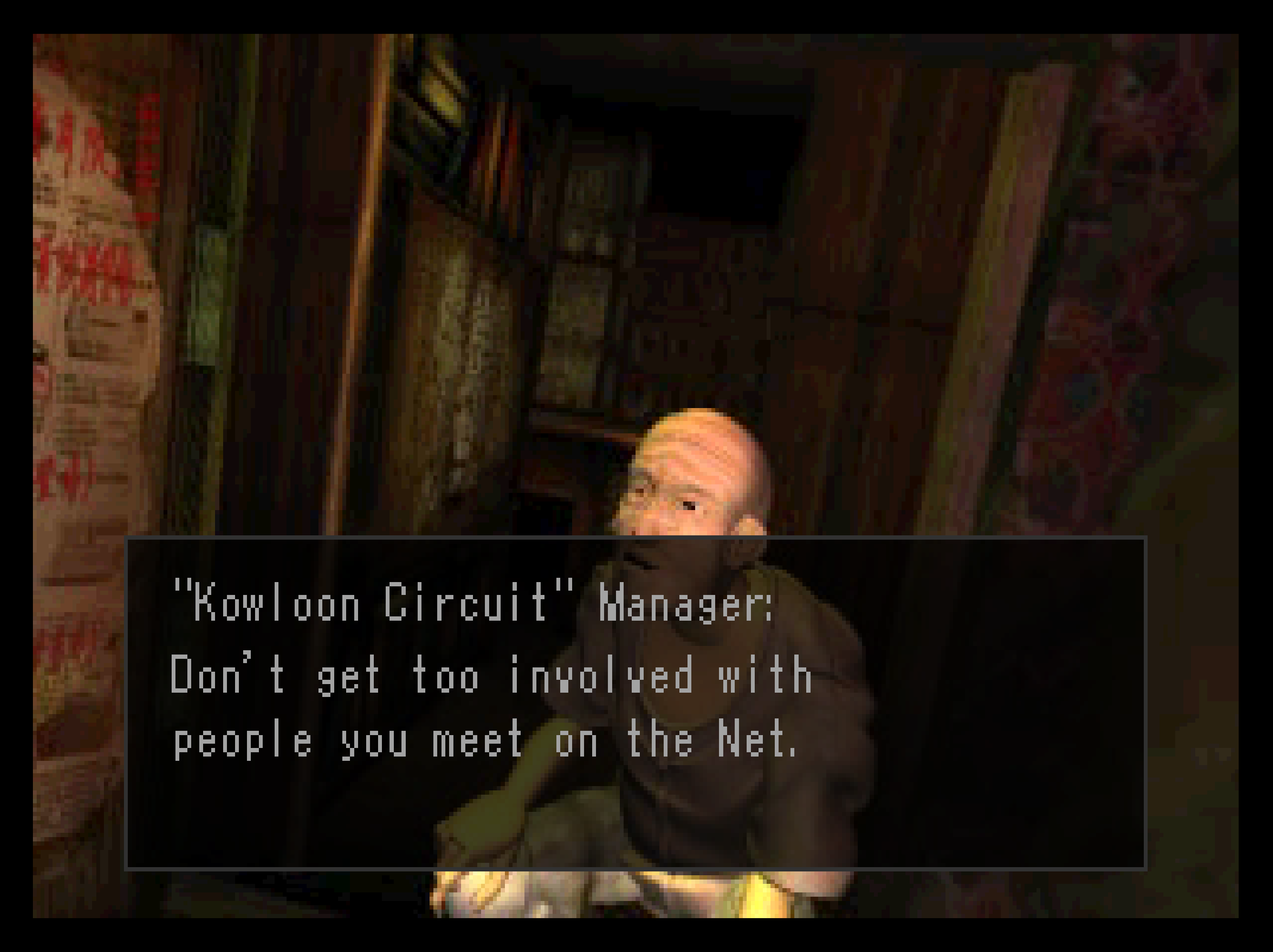
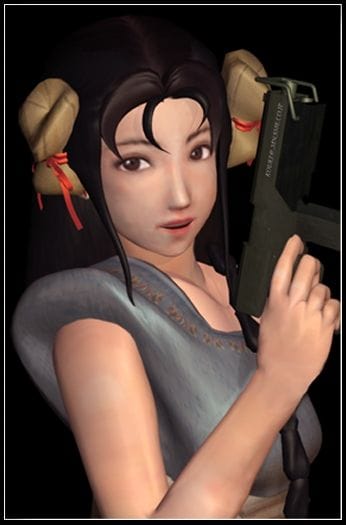
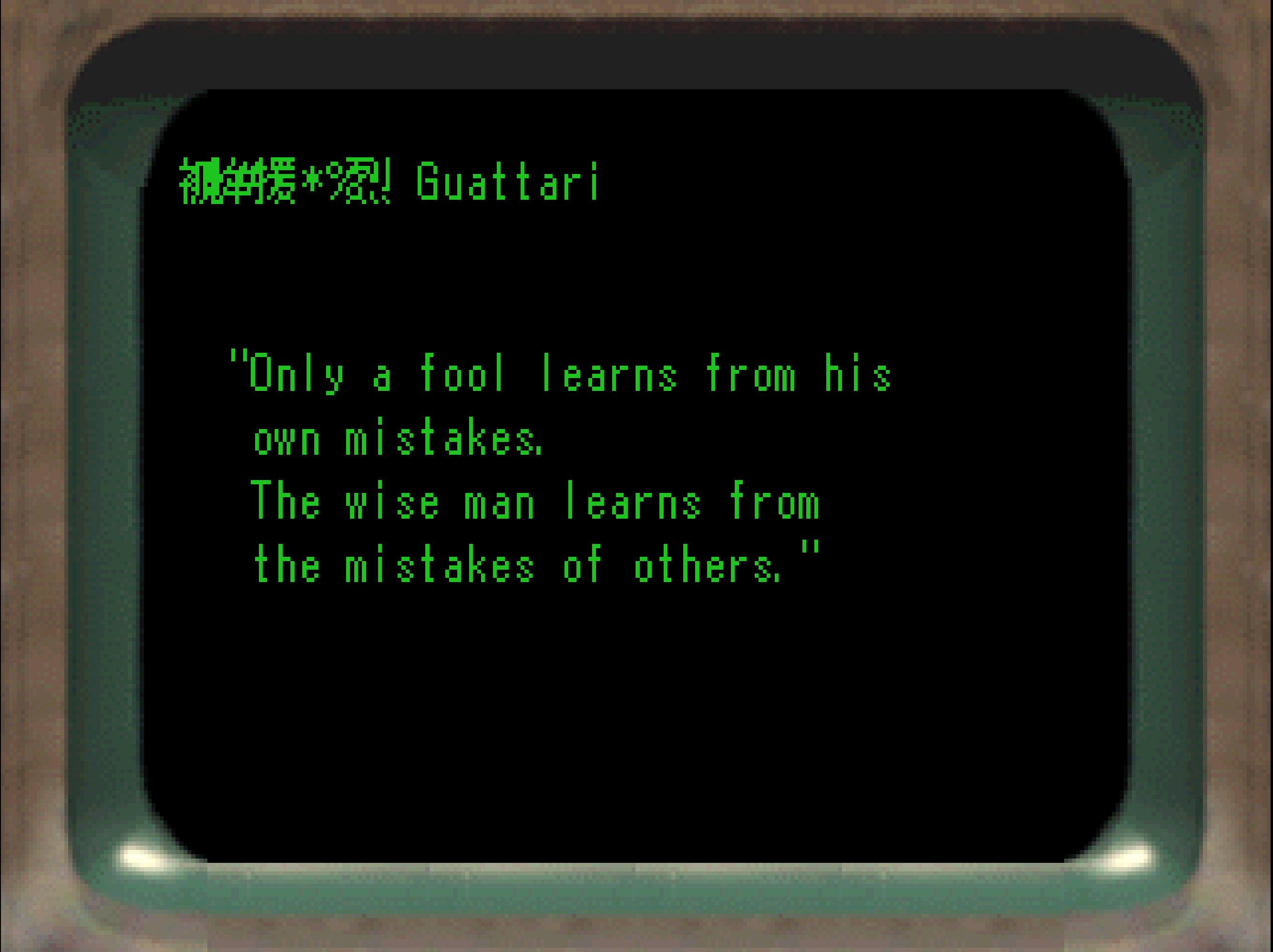
And finally, a pile more screenshots from Kowloon's Gate courtesy of Hilltop. 💽