When I see the words "The 3DO Company," my mind goes to a very specific place: Battletanx. The arcadey masterpiece that was 1999 sequel Global Assault probably spent more hours slotted into my teen years N64 than any game this side of Goldeneye or Mario Kart, thanks to a genuinely inventive array of asymmetrical multiplayer modes, tank archetypes and impressive-for-the-time destruction.
The second place my mind goes is Army Men: Sarge's Heroes, the shittiest videogame I've played in my entire life (and my best friend in first grade owned E.T.).
So, y'know. Win some, lose some.
I have no personal affinity with the 3DO itself, an oddball console that the company launched in the early '90s, but by all accounts it falls into the "lose some" category. It only lasted a few years before The 3DO Company shifted to just developing and publishing games for the Nintendo 64, PlayStation and PC. Despite shutting down in 2003 (should've made more Battletanx and fewer Army Men), the company legacy does live on today in a few forms. 3DO originally published pioneering online 3D MMO Meridian 59, which I wrote about last year on PC Gamer because it's one of the oldest videogames in existence still being updated today. It came out in 1996!!
Also, more relevant to this newsletter: the 3DO console now has a MiSTer core. Somebody get Trip Hawkins a MiSTer Pi, stat.
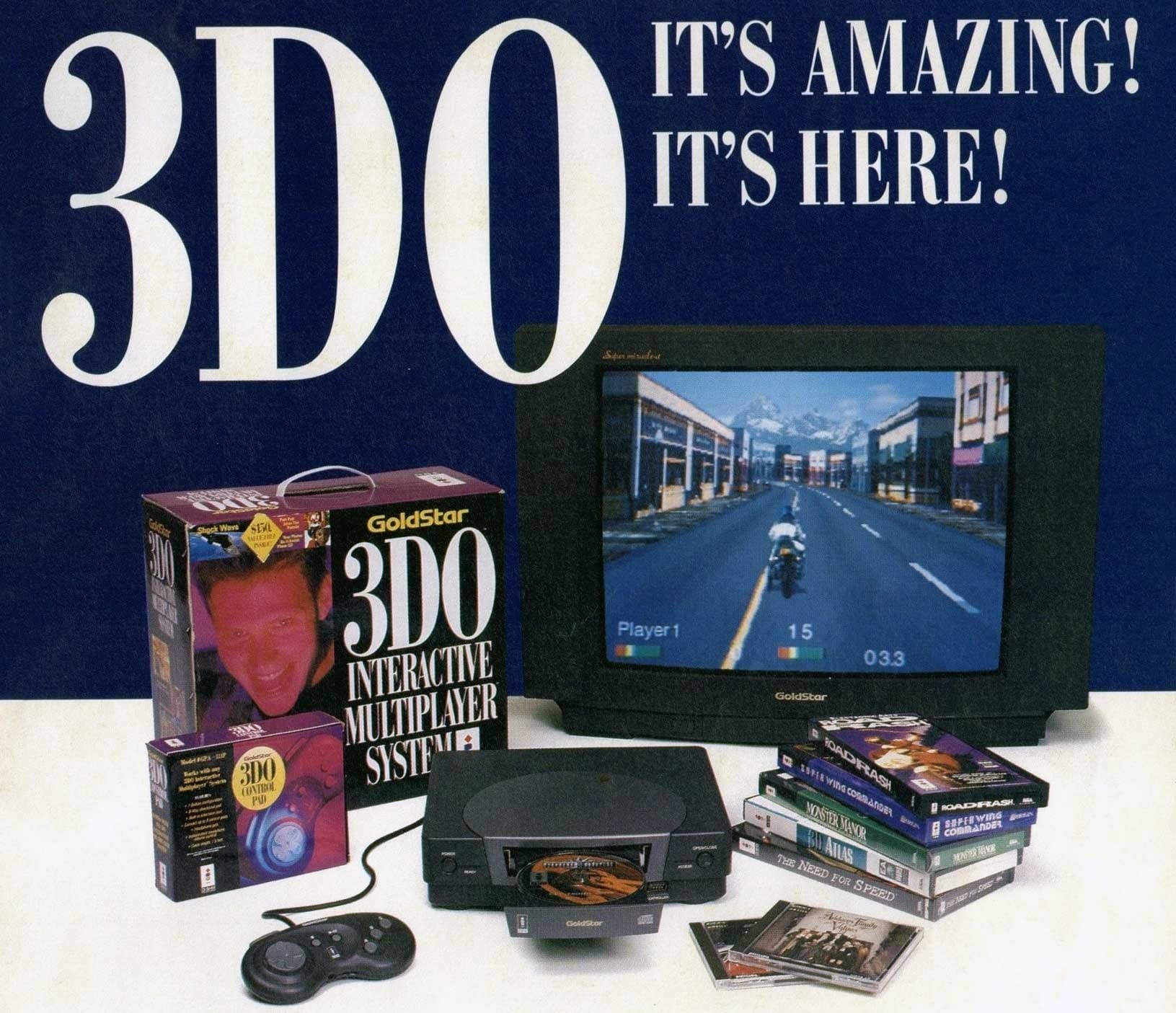
That's the main story this week, along with a brief follow-up to last issue's long read on Xbox 360 recompilation. That bit of the emulation scene is absolutely on fire right now, so I imagine we'll be dipping back in preeeeetty regularly to cover what's new.
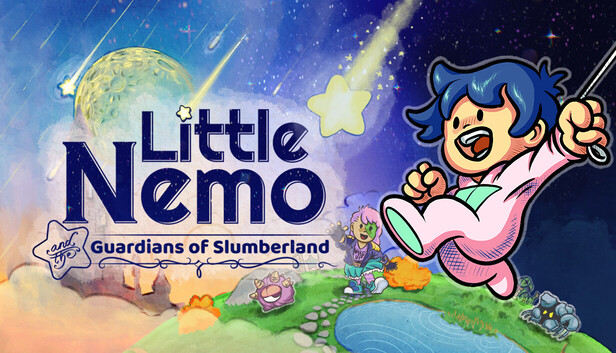
Speaking of new, I think most folks who read this newsletter probably jibe with metroidvanias, especially those that lean towards platforming reminiscent of '80s and '90s games. If that's you, I can't recommend Little Nemo and the Guardians of Slumberland enough — I've been absolutely loving it this past week and find it quite a refreshing throwback to simpler games in this style, without the combat gauntlets that define the likes of Silksong and Blasphemous. The hand drawn art is lush, the music sublime; it's just an out-and-out charmer. A really well balanced blend of the new and the old, made by a tiny indie team who could use some love.

Also, speaking of the new and the old — check out the next episode of the Video Game History Foundation's podcast, cause I'll be on there talking about Read Only Memo (just a little bit) and the emulation scene more broadly (a lot bit).
In rare snatches of free time I've also been continuing my background mission to play some fan translations this year, so you'll find some evidence of that quest in the Good Pixels section to close out the issue. Dive on in!
The Big Two
1. MiSTer miracle worker srg320 dishes on the new 3DO core

On January 15, 2025, developer Sergiy "srg320" Dvodnenko — best known for the near-miraculous Sega Saturn core for the MiSTer FPGA project — posted a YouTube video titled 3DO FPGA WIP. It was exactly what it said: an early test of whether it was possible to run games designed for Trip Hawkins' CD-ROM console brainchild.
Well, not that early. "I started development in October 2023, but I spent most of my time working on Saturn," Dvodnenko said in an interview with Read Only Memo.
A little over a year after posting that YouTube vid, on March 21st of this year, he released the first public build for testing on Github. 'It's Happening' gifs flooded the MiSTer Discord. In total, Dvodnenko said, it took him only about two months of development work to get this initial release up and running when he took breaks from working on the Saturn core. But this wasn't necessarily the hard part.
"All the main modules are done," he said. "Now it's time to find and fix any issues. And that usually takes much longer."
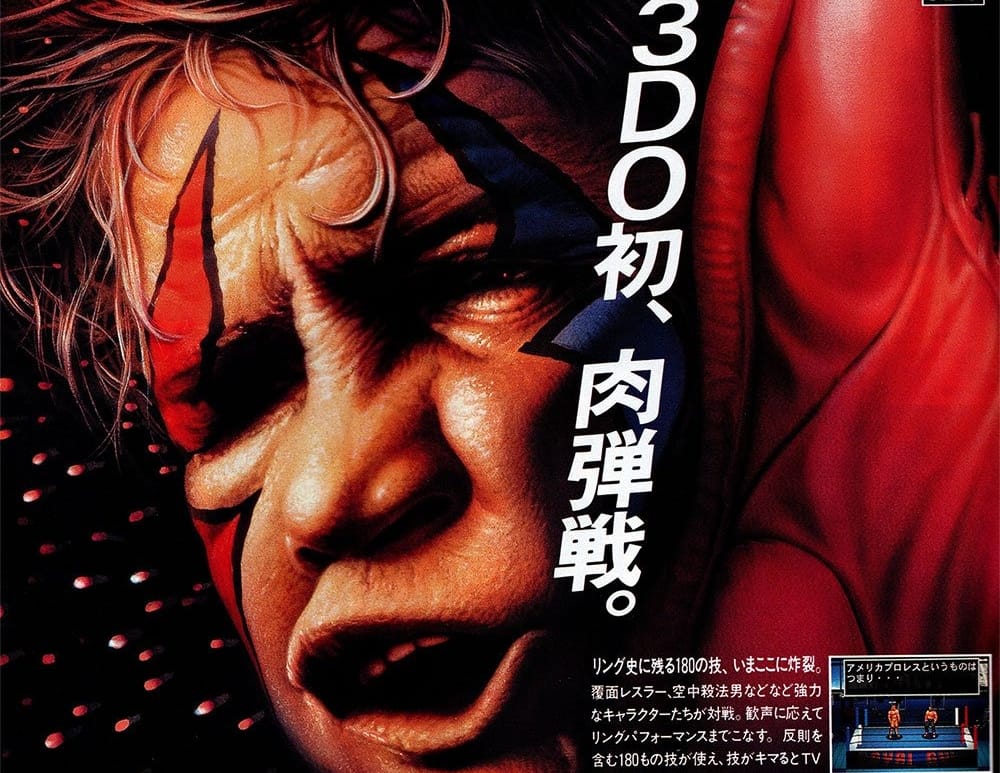
There's already a community-sourced testing spreadsheet for tracking which games work and which don't from the 3DO's library of some 250 games. When you consider multiple regional releases and revisions for many of them, though, the testing matrix balloons; there are 639 lines on the spreadsheet as of this writing, with more than 400 games marked as "playable" but with caveats like crackling audio or visual flickering. Many might even be finishable, but the core is so young that volunteer testers haven't yet run through them from start to finish. And there's still stuff that won't boot at all: Dvodnenko said he hasn't yet implemented the arcade implementation of the 3DO which was used for a handful of games, and PAL games currently all run with NTSC timings, an inaccuracy that will inevitably cause issues (like that crackly audio).
It's already made some noticeable progress in just the last two weeks, though, with a move from only supporting MiSTer setups with dual RAM sticks to now running on single RAM. But right now Dvodnenko isn't sure how close to perfect the final version of the core will end up being.
"The core itself is not complex and does not consume a lot of FPGA resources (it currently uses about 55% of the resources)," he said. "The main problem is VRAM emulation. This is likely what prevented other developers from working on the 3DO core. Accurate VRAM emulation requires a certain amount of internal FPGA memory, which it doesn't have. Therefore, unfortunately, the core cannot be accurate on the MiSTer."
I asked him to dig into that particular memory problem more, and what it potentially means for games:
"The main issue with VRAM is that it has a buffer the size of a single page (512 words). A single command can transfer data between the buffer and a memory page. This capability is actively used in the console. To ensure this page-copying speed, I placed the VRAM in the FPGA’s internal memory. But the FPGA’s memory is only sufficient for 1/3 of the total VRAM. The remainder had to be placed in DDRAM (in burst mode).
I implemented the feature of placing this 1/3 'fast' portion of VRAM at different addresses relative to the entire space. Because the most speed-critical parts of VRAM are those where the framebuffers are located. And in some games, these framebuffers do not start from the beginning. This trick provided a slight performance gain and slightly improved the accuracy of VRAM emulation.
In theory, it could [cause graphical glitches or slowdown]. But it's hard to say for sure at this point. We'll see once all the other issues (not related to VRAM) have been fixed."
Dvodnenko said the biggest challenge in adapting the 3DO to the MiSTer has been the console's sprite engine, its most complex component and the one that will need the most work to dial in accuracy. He broke down the work that's gone into it so far for me:
"The Sprite Engine renders most of 2D and 3D graphics. Only FMV does not use it, but instead copies data directly into VRAM (framebuffer memory). Some parts of the Sprite Engine are described in the documentation. But that’s not enough to figure everything out. The sprite engine is closely tied to DMA. So, I connected my homemade logic analyzer to the original 3DO board.
I wrote a few test programs and captured a lot of data from the buses. This allowed me to understand how DMA works and implement it in the core. By understanding the sequence and timing of the DMA components, I figured out the sequence of the Sprite Engine modules. Unfortunately, some details can’t be clarified, such as the capacity of the various FIFOs that are part of the Sprite Engine. So, absolute accuracy won’t be achievable. Perhaps someday the MADAM and CLIO chips will be reverse-engineered, and we’ll learn more."
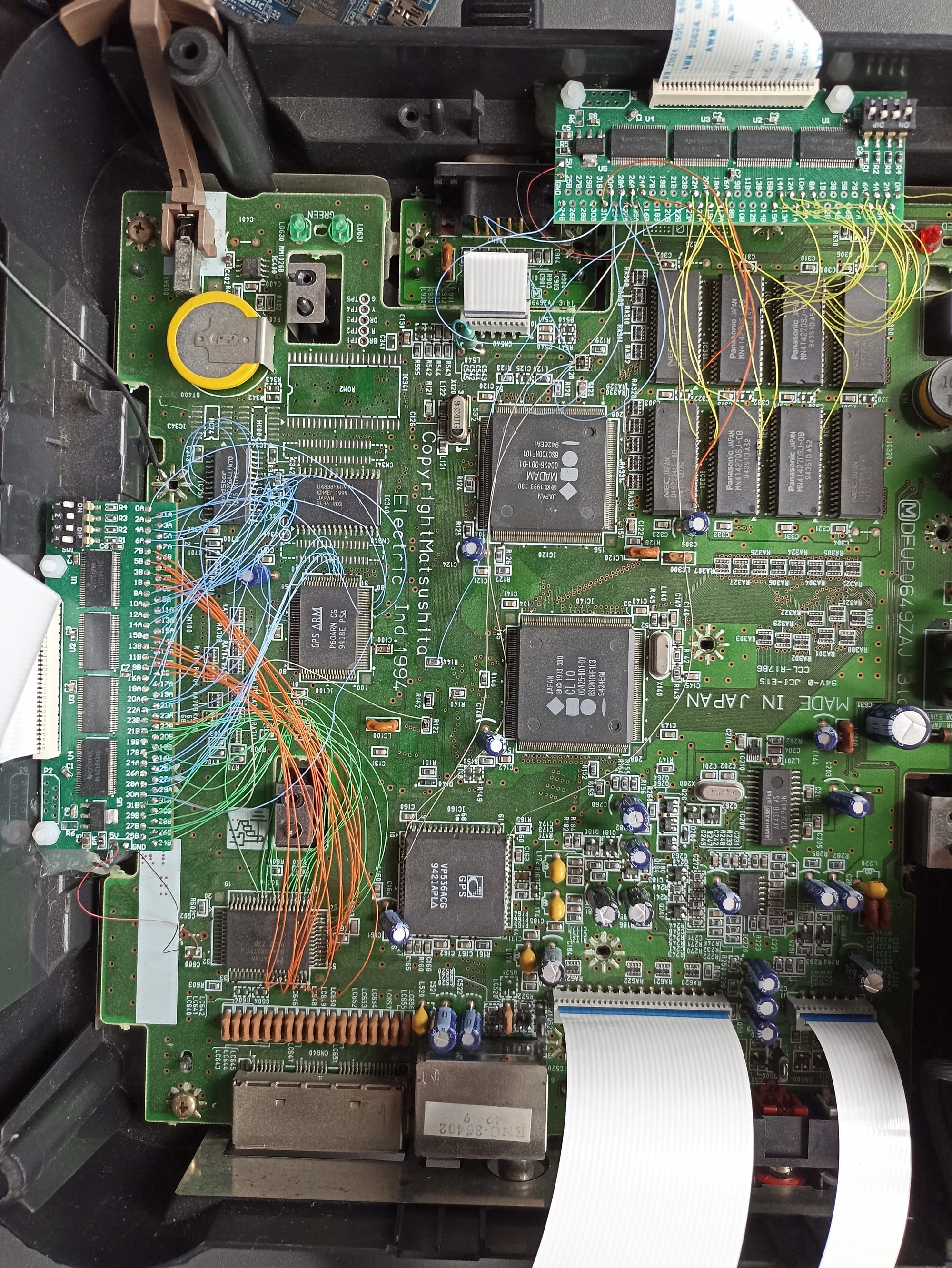
Dvodnenko is himself still learning some of the intricacies of the 3DO hardware, which will no doubt continue to feed back into the core. But even with access to documentation and a machine to hook up a logic analyzer to, he'll only be able to get so far without someone going the extra mile to decap the 3DO Sprite Engine's chips and fully study them.
So far updates to the core have been coming in every few days, so hop into the Discord server if you want to try it out yourself. And if you'd rather wait until it's a little more mature, well, here's a Jeff Gerstmann stream to live vicariously through, instead.
2. Two weeks and a whole lot of recomp progress later...

Wowee zowee are these things moving fast. Since the deep dive into ReXGlue in the last issue of ROM, I feel like new playable ports have been dropping left and right, decompilations have been breaking cover and hitting promising milestones. Rather than the usual lengthy writeup here, I'm just going to drop a pile of links on you from stuff that's either appeared or seem some sort of major update in just the last few weeks. They're not all going to be finished or necessarily even playable — as covered in the ReXGlue issue, a lot of this stuff is still very beta — but you can, if you want, play Banjo Kazooie: Nuts & Bolts natively, on your computer, right now.
Wonders never cease.
 masterspike52
 Ted Litchfield
 Wes Fenlon
 mariopartyrd
 MaxDeadBear
 MaxDeadBear
Patching In

GBE+ 1.10 adds a year's worth of Game Boy paraphernalia – The great Shonumi, who chronicles all his Game Boy accessory reverse-engineering at Edge of Emulation, released a no-foolin' April 1 update for GBE+ with support for tons of peripherals. Many of these are for the DS rather than the GB (the emulator supports both): the Wave Scanner used in a Mega Man game, the Wantame card scanner, and the unreleased WorkBoy, which would've given the Game Boy a dang keyboard. There are general emulator updates, too. A major release!
Dolphin gets Game Boy Player support – Dolphin has supported GBA connectivity for years now for games like Four Swords thanks to its integrated mGBA core. But here's a new one: the GameCube can now emulate the Game Boy Player emulating the Game Boy Advance. The ultimate emulation turducken! Note that this feature is only in the dev branch for the moment, but I'm sure we'll get a nice deep dive into the Game Boy Player support next Progress Report.
DuckStation respects your buttons – PS1 emulator DuckStation will now change its fullscreen UI's button icons to Xbox / PlayStation depending on what controller it detects you're using. I think that's swell.
Core Report

Darius MiSTer core in testing – In the testing channel in the MiSTer Discord, this core looks like it's damn close to finished, with "4/5 ROM sets fully playable: World, US, Japan rev1, Extra Version." There's one noted graphics glitch and one noted audio issue, but otherwise the Taito shmup seems near finished.
1983 maze shooter Cavelon joins the MiSTer – Not many 43-year-old games are on Steam, but this one happens to be! "Originally released in 1983 in arcades, and the following year on home computers, this classic maze shooter saw players take on the role of Arthur as he ascends to the top of Castle Cavelon to save Guinivere from an evil wizard!" reads the description. MiSTer contributor Macro added support for the game to the Scramble arcade core.
Unstable SNES core gets a pile of fixes – There are multiple patches affecting memory and timing and a few others I don't understand, but... progress is progress?
Translation Station

Oh no? No, Yu-No – A foundational PC-98 adventure game from ELF, this translation hack of Yu-No follows just a few months behind a similar project for Shizuku, which came out the same year (1996). And yes, both are adult games, so download only if you're appropriately, uh, horny. This release actually transplants an existing English fan translation by TLWiki, made for the Windows re-release of Yu-No, into the original PC-98 version. You just can't beat that PC-98 pixel art, man.
Sakura Wars 2, spiffed up – The translation of beloved Sega tactics RPG/visual novel/adventure came out last year, and you can read about all the work that went into it in a prior issue of ROM! A year later, this 1.10 update isn't anything radical; it fixes up some typos and other script errors, and also translates some remaining menu graphics that had been left in Japanese. If this is still on your to-play pile, make sure to grab the latest version before you play. Sakura Wars 2 is 28 years old this month.
A Progenitor update – Much like Sakura Wars 2, this is a translation update for a game previously featured in ROM. This one's an older PC-98 adventure. "Thank you to everyone who's played this translation so far, I'm genuinely happy to have seen it well received on YouTube and social media," says hacker/'lator BNK. "I've now translated the remaining text, though I still lack context for some of the scenarios. But I've done my best based on the characters / profile pictures of the speakers involved and the dialogue itself, so hopefully none of them are out of place." There's a nice story behind this first-time translator being inspired by a retrospective write-up in an RPG-focused newsletter. Warms the heart!
Finally, here's an interview on Sega Saturn, Shiro about a new translation of Fantastic Pinball. Sign and prepare yourself for some (tempered, but still a bummer) AI mentions.
 Danthrax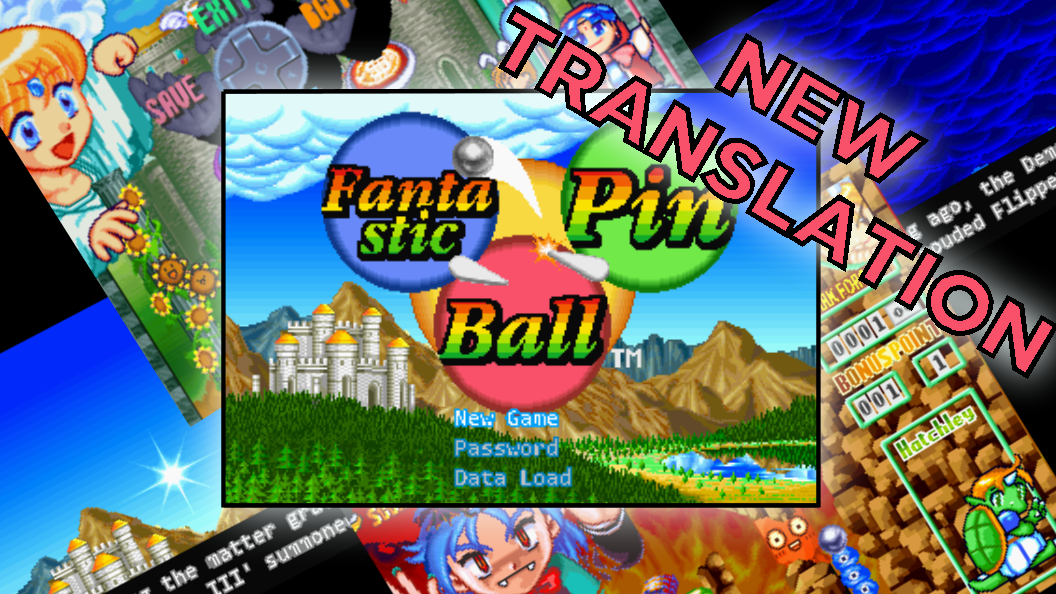
Good pixels

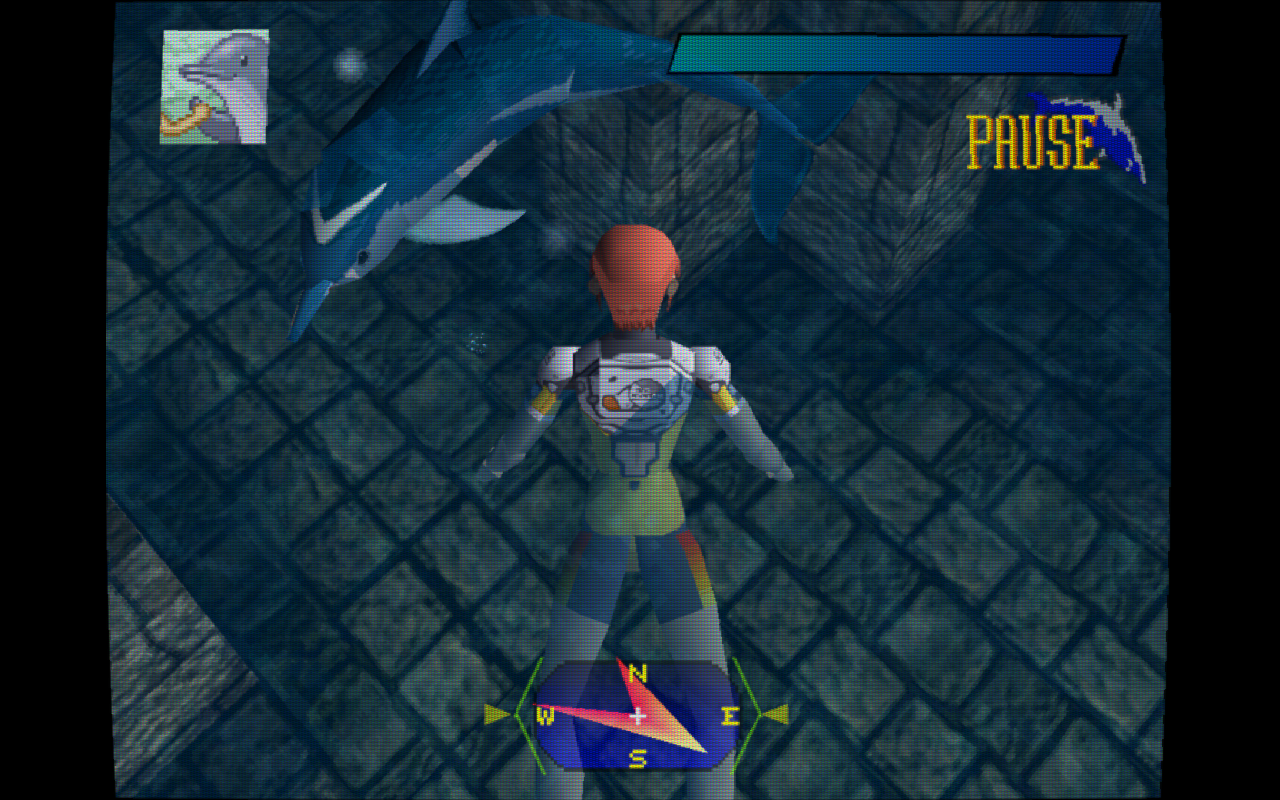
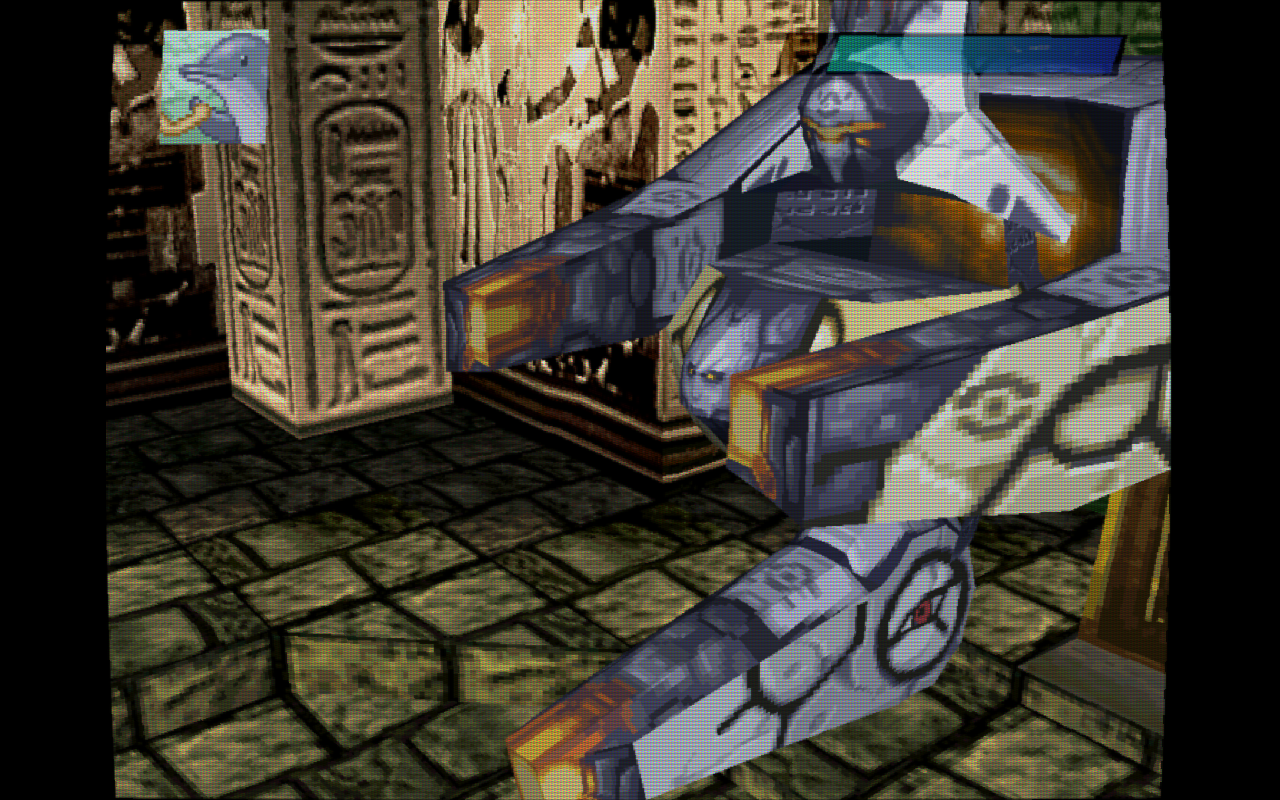
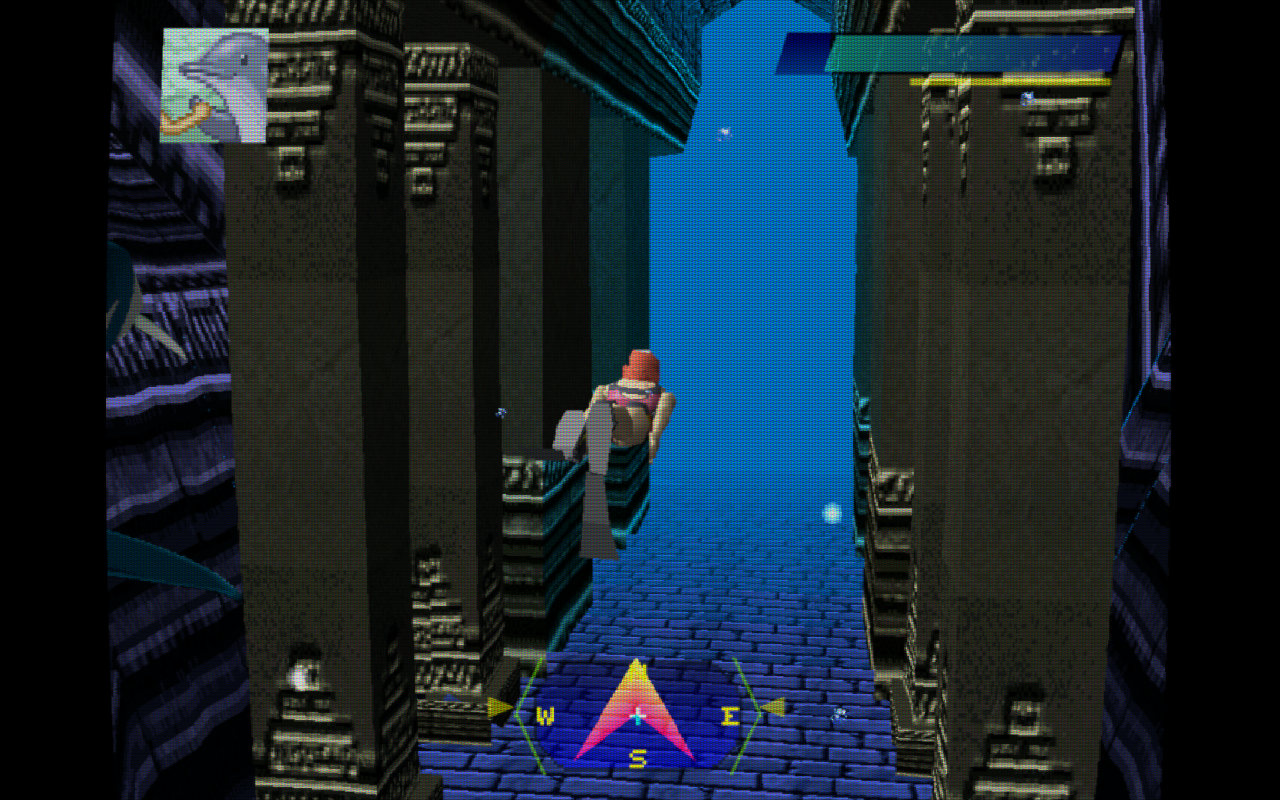
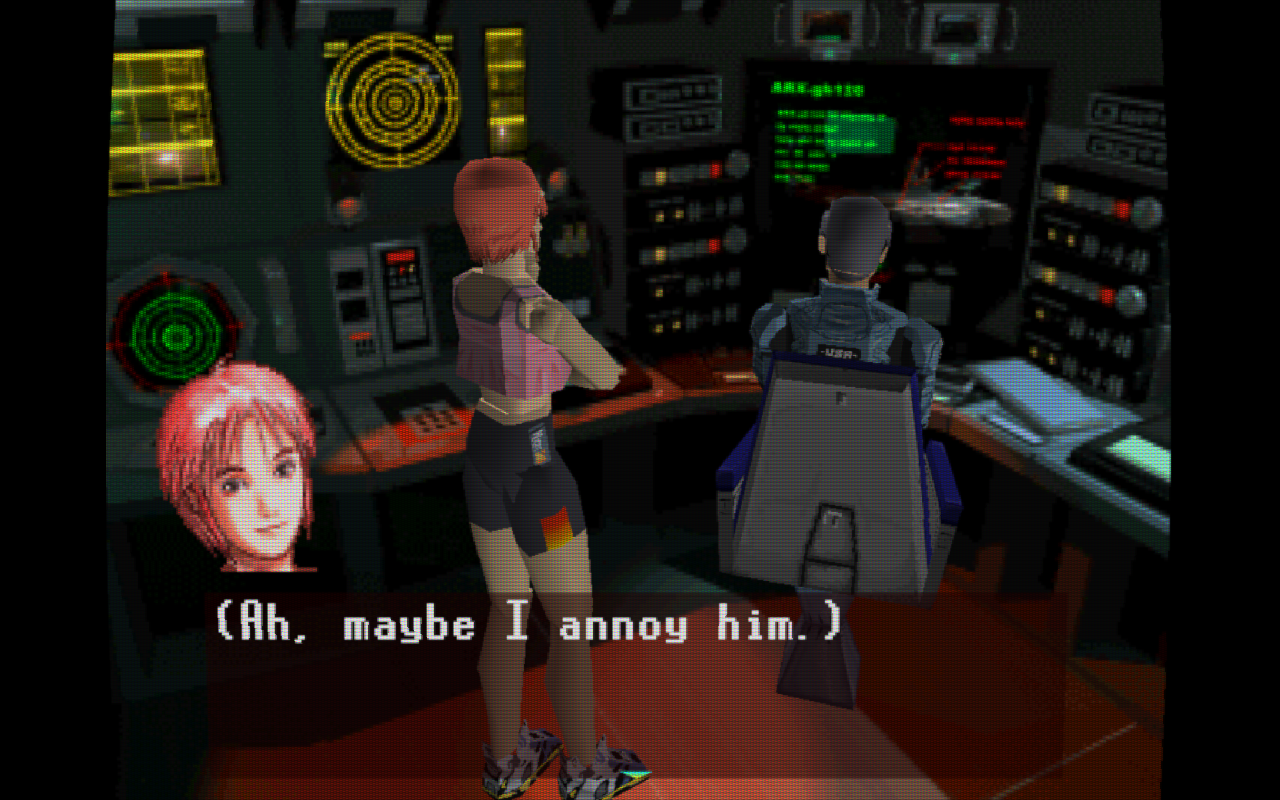
And finally, I'll leave you with 1998's b.l.u.e. Legend of Water, as translated by Hilltop Works. Stay cool. 💽