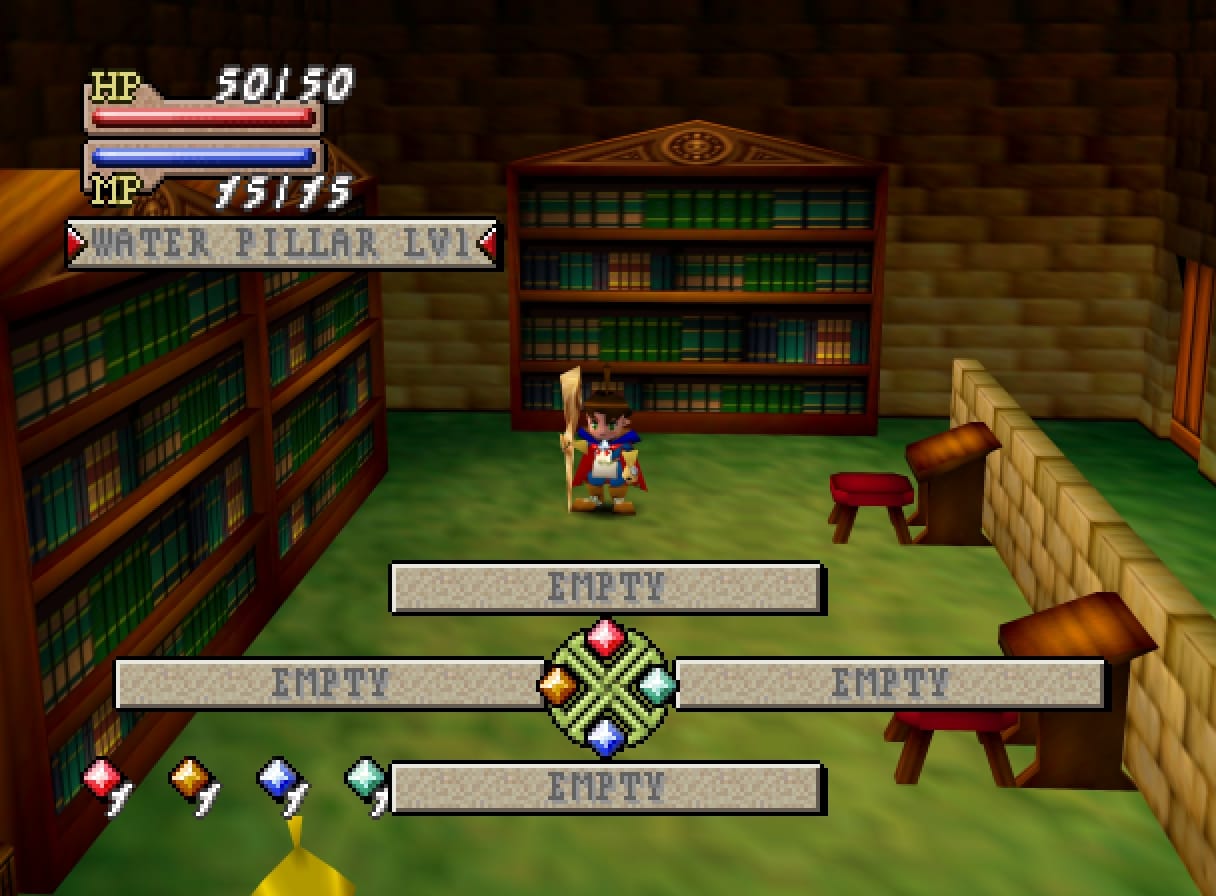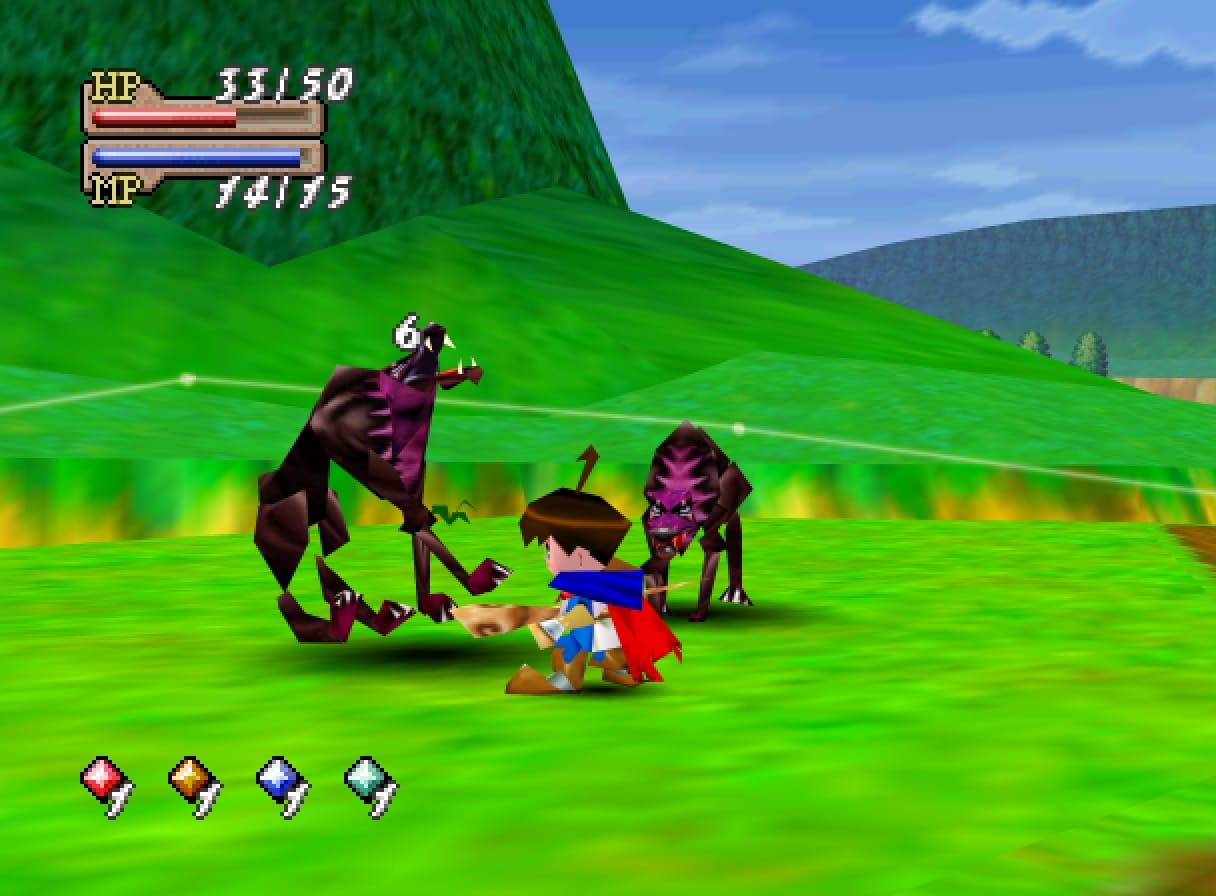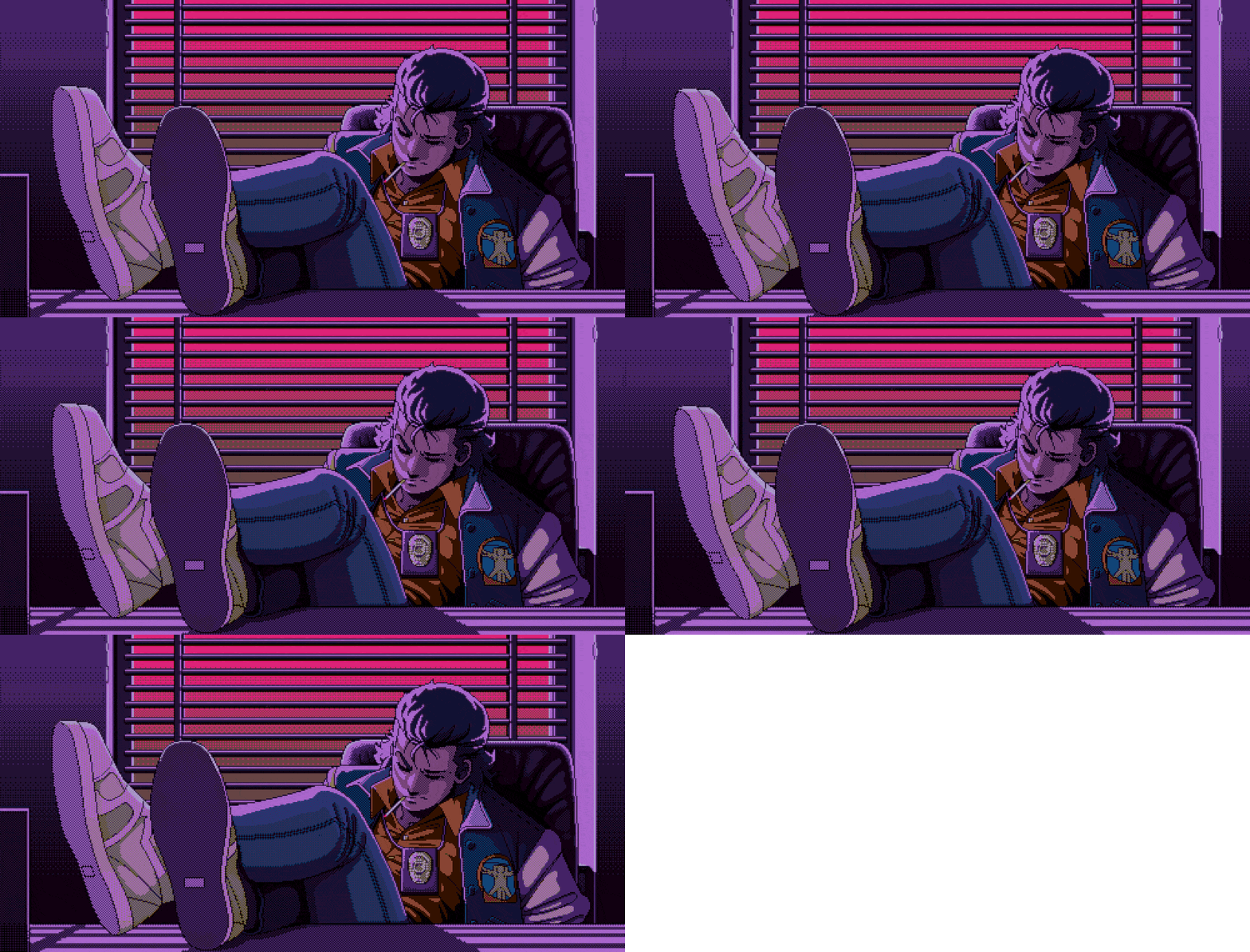
Well here we are again, friends. New year, new newsletter! I'm closing out my Saturday evening with some vintage Taskmaster as I put the finishing touches on my first issue for the year. If this debut is setting the tone for the year to come, I don't know what it says that the focus is on a slick high resolution PC port of Quest 64.
For my part, I'm hoping to make 2026 a year where I catch up on a bunch of the fan translations I often write about here but haven't had the time to play in full. I used my last couple days of the holiday break to blast through Hilltop Works' patch of Aconcagua, a very strange but at times charming point-and-click adventure for the PS1 that's not quite the sophisticated drama it thinks it is.
Over the holidays I also spent a bit of time messing around with an exciting new tool called ShaderBeam from the creator of ShaderGlass, which I featured in an earlier ROM. I still need to use it a lot more, so I'll be writing about it in-depth later. But the gist is some very complicated algorithmic display stuff that is quite hard to get working properly can, when the stars (and some registry hacks and endless settings fiddling) align it can provide some pretty stunning motion clarity worthy of a CRT. Meanwhile, Nvidia's finally shipping a range of Pulsar monitors that accomplish something quite similar in hardware rather than software. Funny timing! Those displays are going to be killer for retro games, but they're currently quite pricey and unfortunately LCDs rather than OLEDs for now. Display tech marches on!
As does Read Only Memo. I've got a couple bigger features planned to drop in the next month or two, but no spilling the beans just yet. For now, we've got loads of fan translation news, patch notes and a whole entire Quest to go on.
The Big Two
1. Quest 64 Recompiled: I'm afraid you now simply have to play Quest 64

"All my haters become my waiters when I sit down at the table of success." - Brian
26 years after getting a Nintendo 64, I have played its greatest game for the first time. At least it's the console's greatest game judging by one of my favorite Twitter-turned-Bluesky accounts, Quest 64 Official, "the only account dedicated to letting people know what's fresh and new in the world of Nintendo 64 and Quest 64, a game that hasn't changed for 20+ years." Short of whoever birthed one of the internet's first memes with All Your Base, I'm not sure anyone has proven more convincingly that you can truly change the fabric of a fandom purely through posting.
I'd genuinely credit Quest 64 Official's love for the game (and evidently greater love for absurdist humor) for raising its profile among players interested in digging beyond the tier of retro games that tend to pop up in top 50 lists and "hidden gems" forum threads again and again.
— Quest 64 Official (@Quest64Official) May 6, 2023
— Quest 64 Official (@Quest64Official) May 10, 2023
When I was growing up with a Nintendo 64, nobody was talking about Quest 64. Electronic Gaming Monthly's primary reviewer (Crispin Boyer shout out!) gave it a 3/10, calling it a "dull, overly simplistic, overly short... adventure that at best might entertain the grade school crowd." Yet today it's a frequent topic of actually interesting retrospective videos and some combination of ironic and genuine fandom. Which is why, when I learned this week that the little-publicized N64 Recompiled PC port of Quest 64 had a new build out, I knew I had to at least give it a shot.
Quest 64 Recompiled is unfinished, with the giveaway being placeholder UI elements for button mapping etc. borrowed from another recompilation port. But in-game, at least in the first hour, it's seemingly just Quest 64. It runs as you'd expect, with no issues I noticed.
Well, not quite as you'd expect. For one thing, it runs at 60 fps, something the original game very much did not do. And it's a weeeeee bit higher resolution. Speedrunner Fuzzyness streamed the whole thing in under three hours, showing the full game is completeable in the recompilation. "There were only three graphical glitches in the whole playthrough," he says at the end of the stream.
There are still some minor bugs, but the latest build of the recomp is much further along than the early release from December 2024 on Github. It's currently only posted in a Quest 64 fan Discord, but I'm sure it'll be made more widely available once it's polished up. (I'm not linking it here so as not to inundate the folks there, but if you're eager to play it it's not too hard to find.)
Hardcore fans will likely be excited to hear that the developer behind the recompilation also appears to be working on a port for Eltale Monsters, aka the improved Japanese version of Quest 64. I don't think it's improved enough to make me a fan, judging by my first hour with the game (sorry, Quest 64 Official!).
Nonetheless, I love seeing a game like this getting a recompilation alongside the likes of Majora's Mask and Star Fox 64, masterpieces that practically anyone who loves the N64 has played one million times. It released a year after Final Fantasy VII and seems like a tech demo by comparison. But just like Ancient Roman, the worst PS1 RPG, there's still something interesting to take away from it.
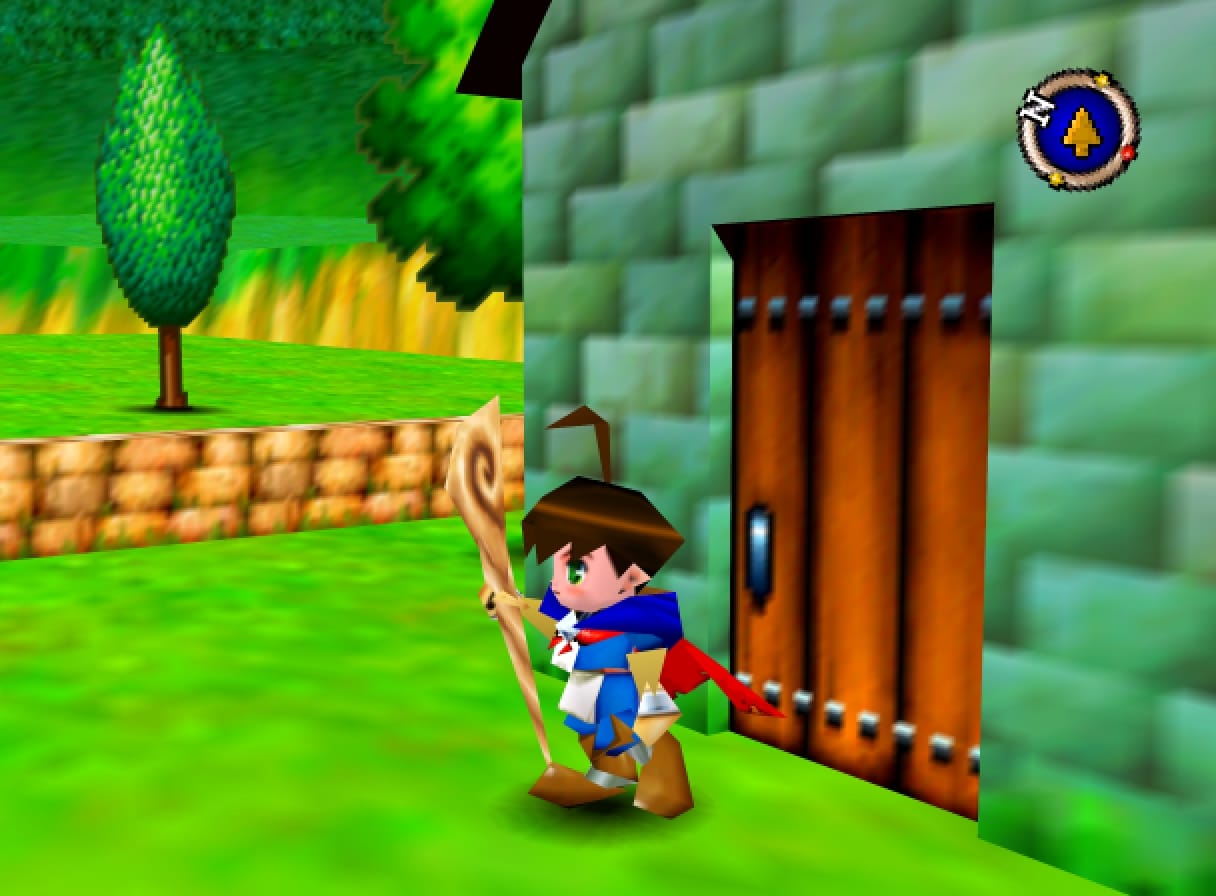
In Quest 64 you can see developers reaching beyond their grasp, trying to make a grand adventure that they didn't have the time, or maybe money, or maybe talent, or maybe hardware to pull off. Fan translator SnowyAria said much the same to me about Ancient Roman last year:
"For most games considered bad, if you can look past the parts that prevented the game from succeeding, you can see the passion behind the creator and appreciate what they tried but failed to do... Kusoge [aka 'shitty games'] also aren't as bound by formulas and structure, so you often find really unique attempts to break the norms in both gameplay and storytelling."
I think Quest 64 has already gotten that sort of contemporary reevaluation. Which means the recompilation, when finished, will be the new way a whole lot of curious players experience it for the first time. I can't wait for the memes.
2. The Emerald Dragon roars

At the end of 2023 I featured hacker/translator Supper's exciting release of Tengai Makyou: Ziria, a landmark 1980s PC-Engine CD release. Well, Supper's been busy putting those same PCE skills to work on another big RPG from a few years later: Emerald Dragon!
Specifically a very pretty port of Emerald Dragon, which first released on the PC-88 just before calendars ticked over to the 1990s. Here's a great Basement Brothers video on that version of the game!
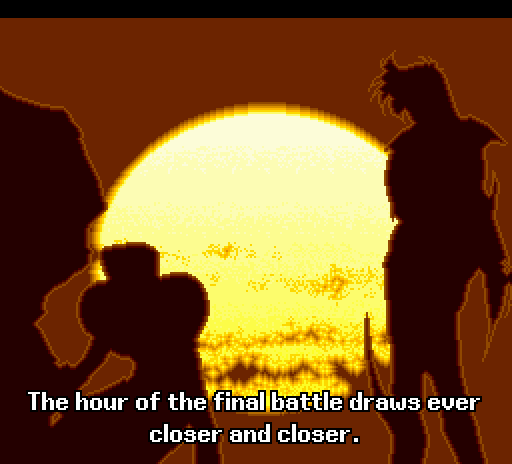
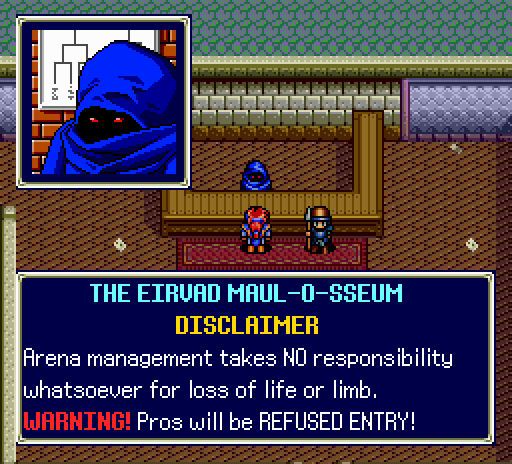
This translated port is actually from 1994, and is quite a looker thanks to the PC-Engine CD's disc space (scope out the screenshots sourced from the Stargood Translations website below).
In addition to a complete translation to English, the patch adds:
- Battle fast-forward
- Overworld run button
- Voices toggle
- Cutscene skipping
(All but the battle fast-forward were already in the game as developer debug options, but now they're acessible to everyone). Before you get too excited that this is an all-time classic that will suddenly catapult its way into the upper echelons of your favorite JRPGs, you might want to check out the readme, which includes some amusing comments from Supper and his editing/testing team ragging on Emerald Dragon's more dated elements.
"I'd never played it and knew nothing about it except that it was an RPG, it was supposedly a good game, and some nonzero number of people wanted to see it translated," Supper wrote. "I actually don't much care for this game. The production values are high, the game systems are polished, and the presentation is dramatic – boy, does this game ever want to be dramatic! – but beyond the surface level, there's simply very little there."
"Emerald Dragon is certainly a JRPG of its time," said editor ccmar.
"The last time I had to deal with run and bump combat was in the early Ys games and although it's far from perfect, I'd say it's a lot more engaging when done in real time. Emerald Dragon's turn-based variant of this battle system ends up working against itself once the novelty wears off, making encounters more of a time sink than a challenge," said tester Oddoai-sama.
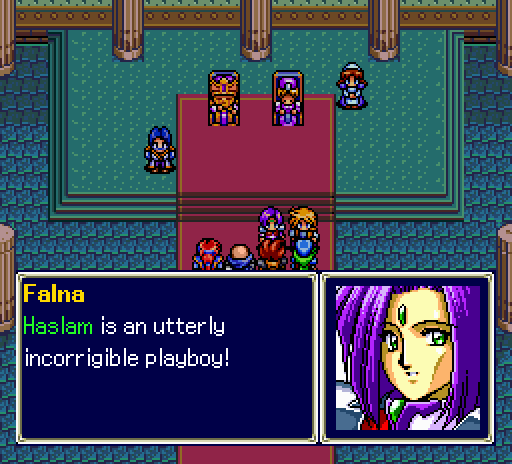
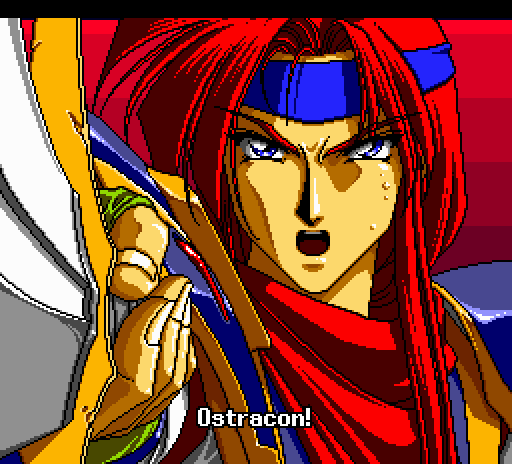
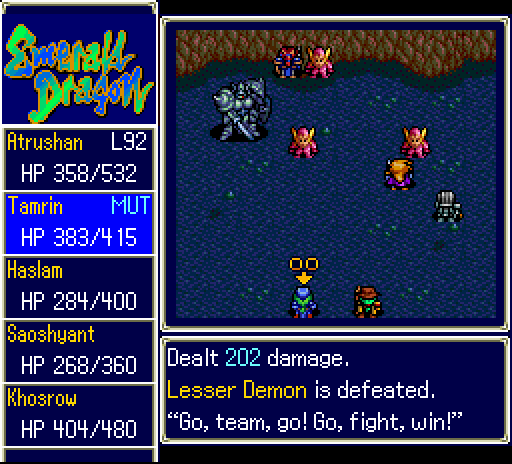
Still, Supper had some words of praise for the port itself: "Alfa System had a reputation for technical prowess, and the code in this game definitely lives up to it. It's generally written in a very tight and tricky way that puts everything else I've ever looked at on the PCE at to shame, with heavy use of advanced techniques like stack manipulation and self-modifying code to build a highly capable – and difficult to understand – game engine.
" It was a lot to deal with, and I had to significantly step up my game to make this happen. There's really no way to actually explain the complexity involved in setting up an assembler framework for injecting duplicate copies of the same arbitrary code fragments into multiple pre-existing binaries while simultaneously allowing them all to link against each other properly; simply organizing the structure of the system was nearly as bad as actually writing all the low-level code. And believe me, writing that low-level code was pretty damn bad."
Some more great details on the hacking and localization challenges follow, so download and give it a read even if you aren't interested in playing Emerald Dragon yourself.
Patching In

Yerr a wizard, Citron – The Switch successor 0.12.25 release in late December includes a new guided PC setup wizard with "automatic detection and configuration of game directories based on your operating system" and a whole bunch more UI changes. For Android users, it's also got a major new feature: extracting the RomFX and ExeFS files from games. A new update system, meanwhile, should make it easier to slurp down future builds. The Switch scene liiiives.
Dolphin goes to battle against latency – The latest Dolphin Progress Report, worth a read as always, dives into contributor Billiard's efforts to both smooth out frametimes and improve some emulation techniques that can make Dolphin spit out frames with lower latency than a real console plugged into a CRT. Zoom zoom! Give it a read, and then try out the Immediately Present XFB and Rush Frame Presentation options.
ShadPS4 keeps making Bloodborne faster – 120 fps Bloodborne when?
PCSX2 keeps on Bigging up its interface, hits 2.6.0 – The PCSX2 team are ringing in 2026 with another milestone release, this one porting a bunch of UI features from the desktop Qt UIinto the controller-friendly Big Picture one; notably RetroAchievements and network and memory card management. Windows and Linux users can now click on a game in the library and create a desktop shortcut that'll launch the emulator and jump straight into it; a new feature added to the Direct3D 12 renderer increases its speed by 400 - 600% in some games, and the renderer also got some accuracy fixes. There are loads more speed improvements and bugfixes, too; read the progress report at the link for a deep dive!
Oh, and you can reposition the overlay notifications wherever you want now. Lovely.
Flycast adds more online games, fancy mobile rendering – Coming in hot, the latest build of Dreamcast emulator Flycast now includes "per pixel rendering with OpenGL ES on mobile," online support for Outtrigger and Power Smash, and some other adds like Panther controller emulation. Most intriguing is that Flycast can now talk to VMU emulator DreamPotato. Some newly playable games: Battle Racer and Mushiking 2003 2nd.
Core Report

Sega Channel goes FPGA – What's the Sega Channel? Well, do I have a video for you! But before you watch that, the quick news: there's now a MiSTer core for Sega's Genesis-games-delivered-via-coax system. And there's an Analogue Pocket core, too, both courtesy of developer Shane Lynch. The ongoing revival project from mastermind Billy Time! is working its way through the service's schedule, month-by-month, with January 1996 the most recently added.
CDi MiSTer core attenuates its MPEGs – Over in the unstable nightlies channel in the MiSTer Discord, the CDi core dropped some improvements to how it handles audio that "should make Lost Eden more pleasant, since this game attenuates the music during spoken dialog." There's also a fix for FMVs in Les Guignols de l’Info, which sounds like some sort of French torture device (fitting for the CDi, amirite?)
Jotego Premiers Soccer – Jotego's latest MiSTer/Pocket core is Konami's Premier Soccer, released in arcades back in 1993. The company's second soccer game after Hyper Soccer I think? A couple years later it'd find success with International Superstar Soccer, and a few years after that, Pro Evolution Soccer, which I believe ended up keeping it afloat (alongside the pachinko biz) during the recent half decade it all but stopped making videogames. You'll need to be a Patreon backer to play this one in beta.
PC-FX MiSTer core shows signs of life – It's nowhere near playable yet, but the MiSTer is getting a core for the NEC PC-FX, home to many an anime game in the mid-90s despite its short run. One of those is Team Innocent, which has a fan translation featured in ROM this time last year. Expect to play it... someday!
Translation Station

A 64-bit duo approaches: Bangai-O and Super Robot Wars! – Now this is some specificity. Newly christened romhacking project Roboverse Translations is focused on the Nintendo 64 and mecha games released on said system, with a pair of upcoming translations to show for it. One is 1999's Super Robot Wars 64, which already has a video to show for it.
And another that's "very close to release," just shared on Bluesky a couple days ago, is Treasure's Bangai-O. I, uh, completely forgot that Bangai-O released on the N64, since I played it on Dreamcast! The text in Roboverse's version is clearly different from the official English release, so it seems that we're looking at a fresh translation.
The graDSuation of Haruhi Suzumiya – Juuuuust over a year ago in ROM I mentioned this translation of the DS game Suzumiya Haruhi no Chokuretsu, which at that point was working on a release that would translate up through the game's fourth chapter. As of January 1st, 2026, it's fully and finally donezo! The fifth and final chapter has been translated and bugs have been squashed. "This patch has been four years in the making," writes project lead Jonko. "Thank you all so much for your patience and kind words on this journey. For me personally, this project utterly transformed my life, and from what others on the team have said, I'm not alone in that. Congrats to everyone on the team for the release and here's to the releases to come!"
Mario Golf successor Mobile Golf hits an Eagle – The Game Boy Color Mario Golf, aka the objectively best Mario sports game, had a 2001 successor in Japan with online play thanks to the Mobile Adapter. It's been translated since 2021, but a new update has cleaned up some missing bits related to multiplayer and some untranslated graphics.
Good pixels

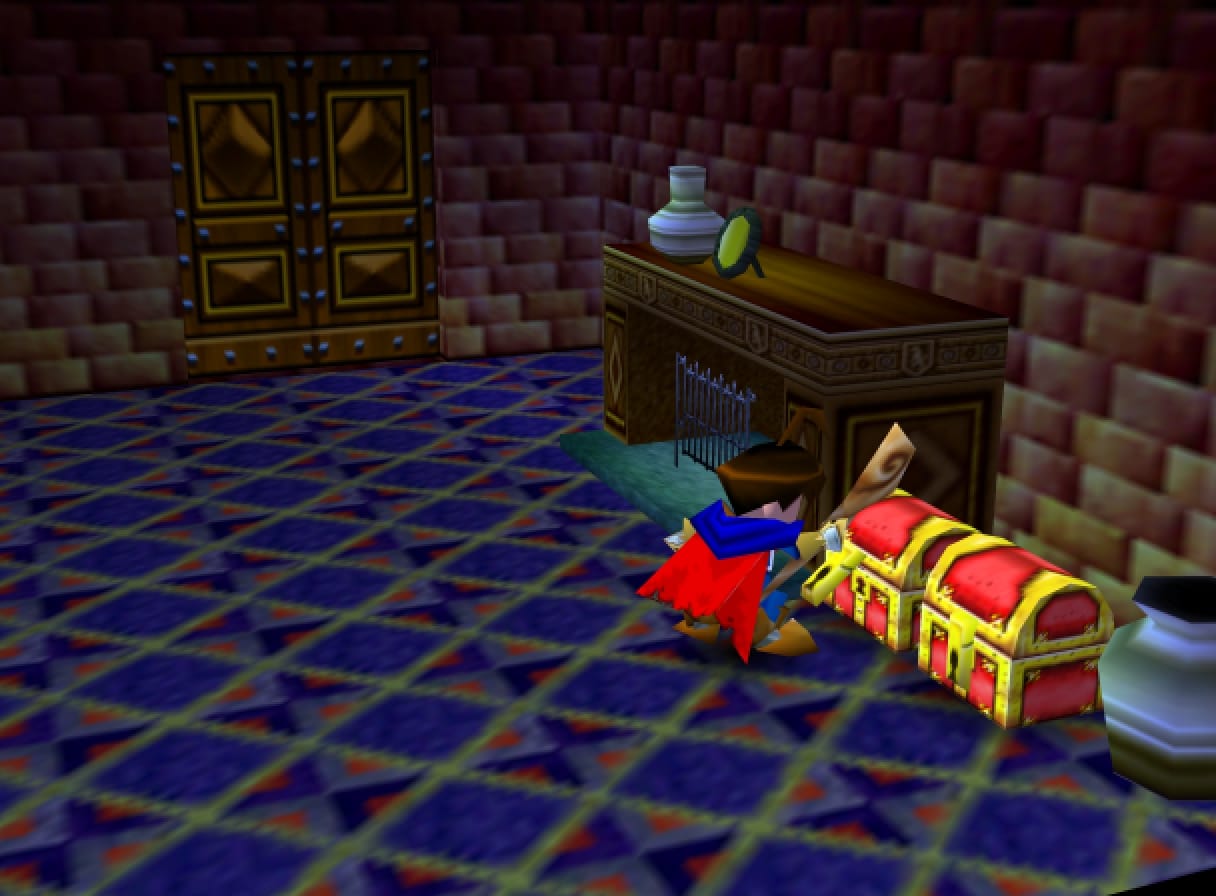
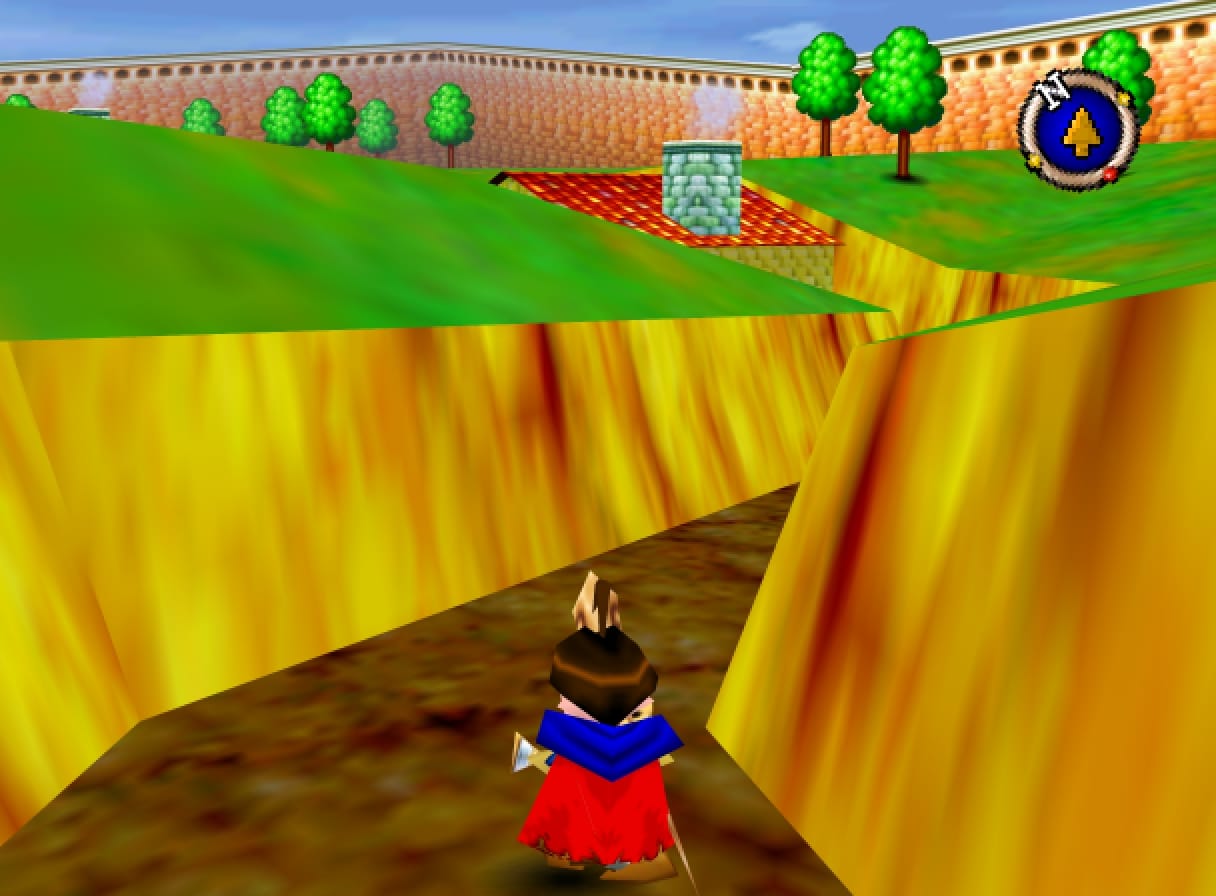
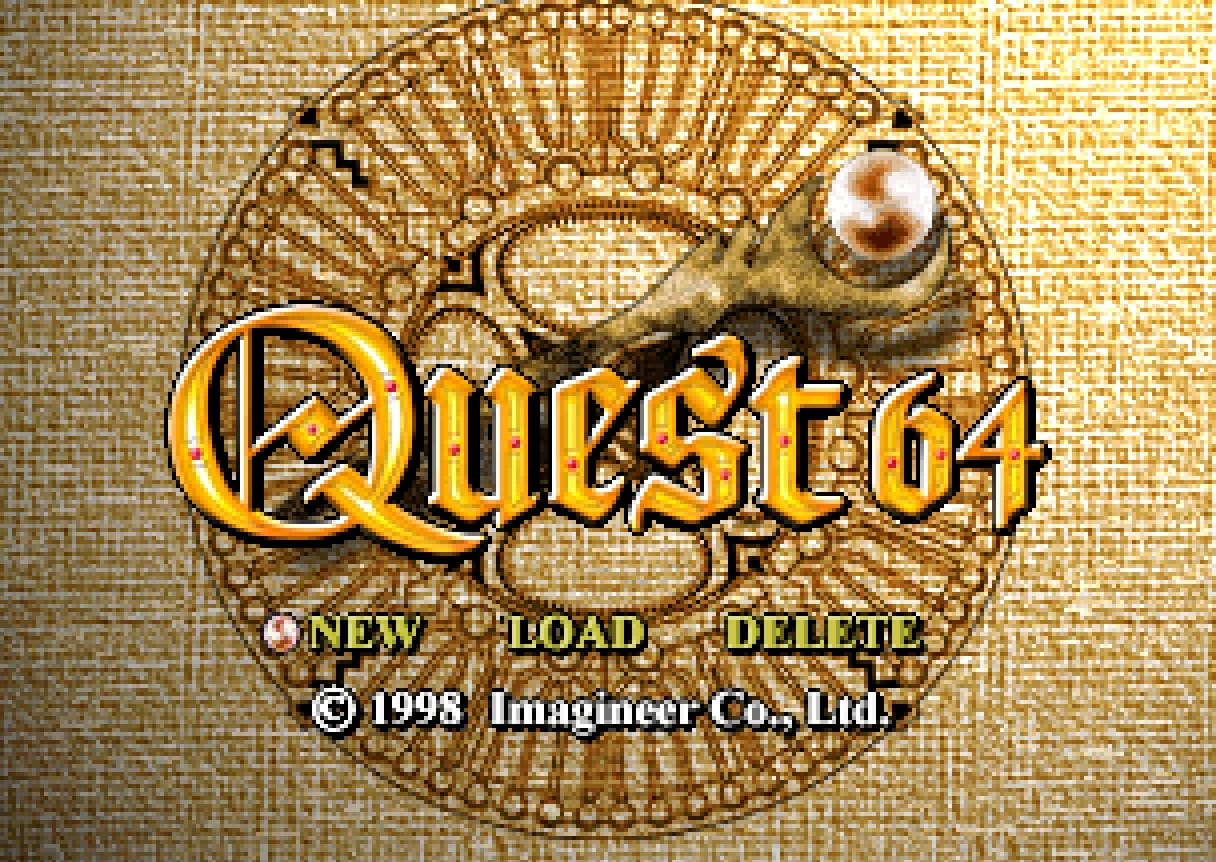
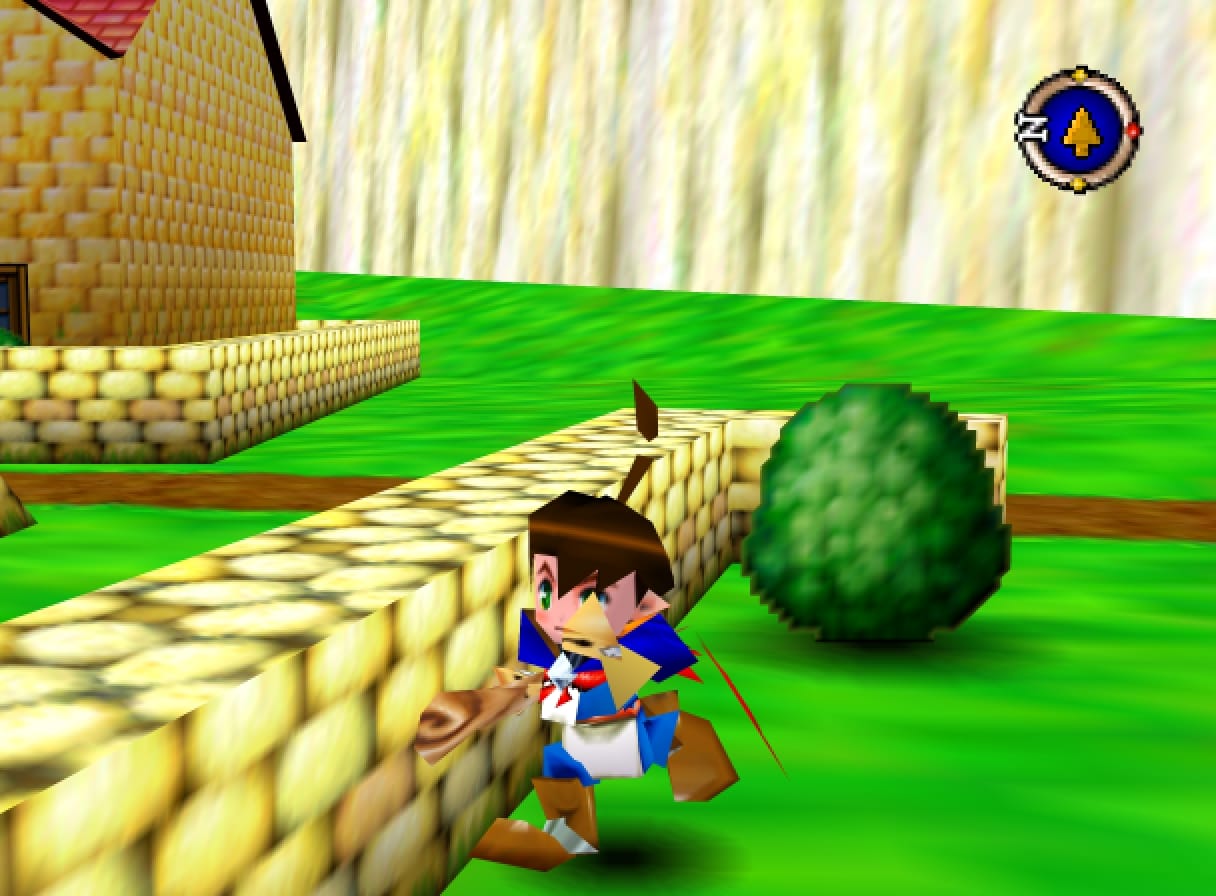
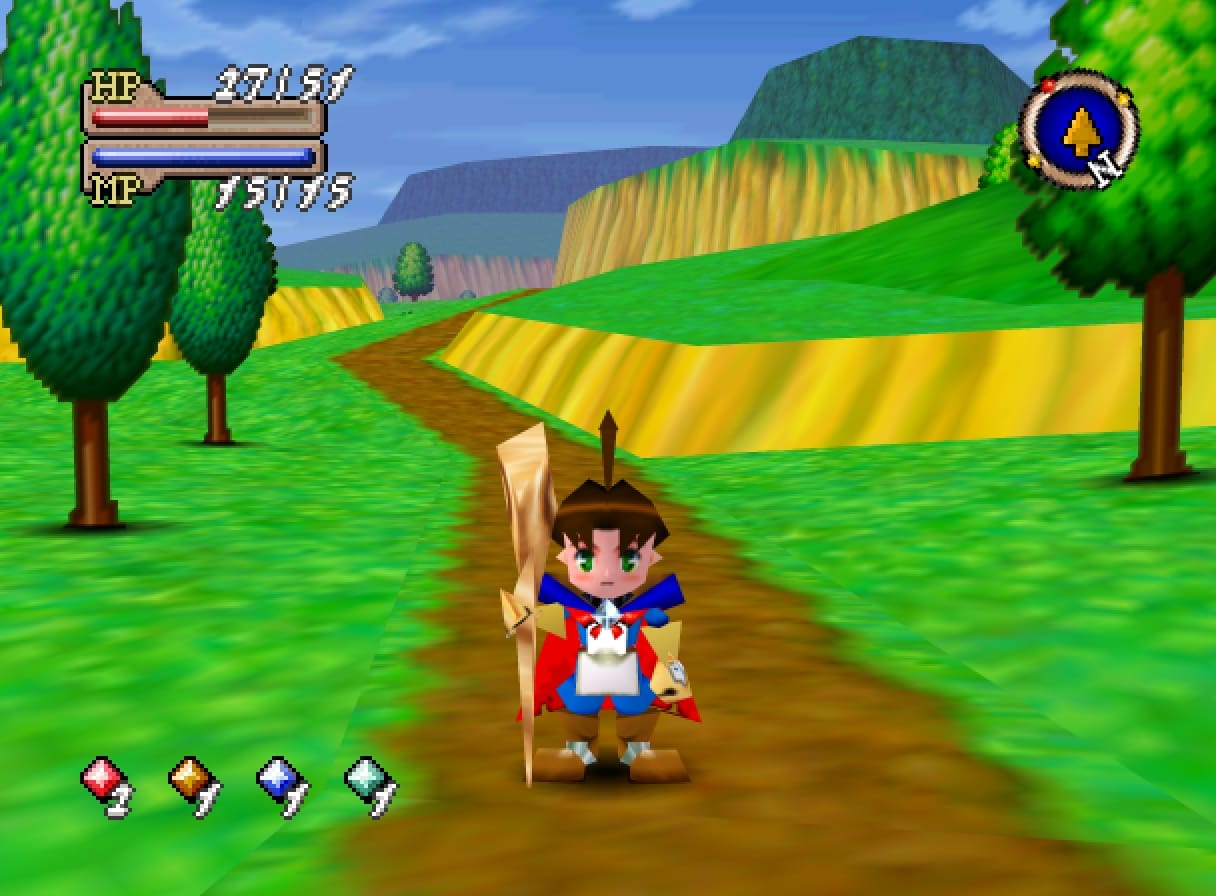
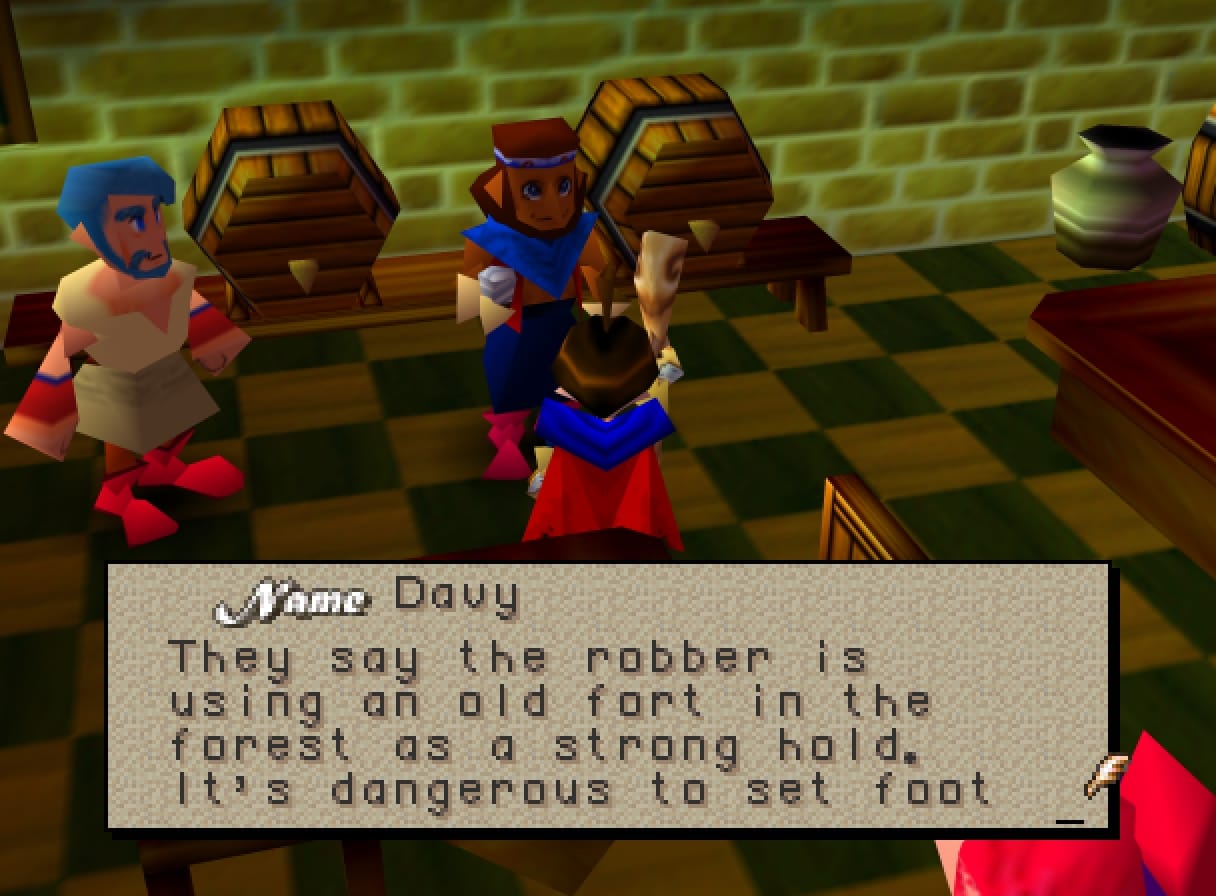
You didn't think I'd leave you without some Quest 64 shots, did you? Here's Brian!