
There are so, so many ways to play retro games today: Official re-releases on digital platforms, fan-developed software emulators that painstakingly recreate the quirks of old game consoles, and hardware emulators like the MiSTer FPGA project or Analogue's consoles that strive for the same end result and can even play original cartridges. And there's another option that I find more exciting than any of the above: game decompilations, which involve reverse-engineering a game's code to then rewrite it for a modern system.
Jump to:
Decompilations, as well as recompilations like N64 Recompiled (I'll get into the differences below), are essentially fan-made remasters, allowing games to run with far better performance than emulation and opening the doors to easier modding and enhancements like higher refresh rates, 4K rendering, and plug-and-play controller support. Game decompilations offer a great way to play older games on modern gaming handhelds like the Steam Deck without the complications of emulation.
Decompilations are also an exciting new frontier for game preservation and study, since the source code for many older games has either been lost or remains tightly locked away somewhere inside the walls of a company like Nintendo.
Since I'm writing about decompilation projects and N64 Recompiled fairly often in the Read Only Memo emulation newsletter, I decided to put together a resource explaining what game decompilation is, what a recompilation is, and tracking new projects as they come up and become playable.
Some games have both a decomp and a recomp available, so I've put together an explainer to help you choose which one to play based on your own priorities. Scroll on down past that breakdown for an up-to-date list of all the retro console game decompilations and recompilations you can play right now.
What is game decompilation?

Decompilation is the painstaking process of examining a game's code and reverse-engineering each and every function. The purpose of a decompilation is to understand exactly how a game works, and to then be able to recreate it 1:1 with non-copyrighted code.
Here's a more technical definition, via the Decomp wiki: "Matching decompilation is the process of writing source code (typically C or C++) that compiles to the same exact binary as the original. This usually requires using the same compiler as the original game, with all source code being written from scratch. Because matching decompilation is complex and time-consuming, dedicated communities have formed around the challenge. These communities have built a wealth of knowledge and tools to support the process."
Decompiling a game originally released on, say, the Nintendo 64 or PlayStation does not inherently make it playable on a modern platform. That requires creating a port: a customized executable designed to run on PC (or another system) that can take advantage of contemporary tech like multi-core CPUs and graphics cards, supports customizable controls and graphics settings, and so on.
Decompilation ports require the user to supply their own ROM (or original game files in some other form) containing the proprietary assets like textures, music, and so on.
Due to the additional work involved in creating ports — and the fact that some programmers may be interested in decompiling games purely for research purposes — some games have been completely decompiled but not yet made playable with that new code.
What is N64 Recompiled?
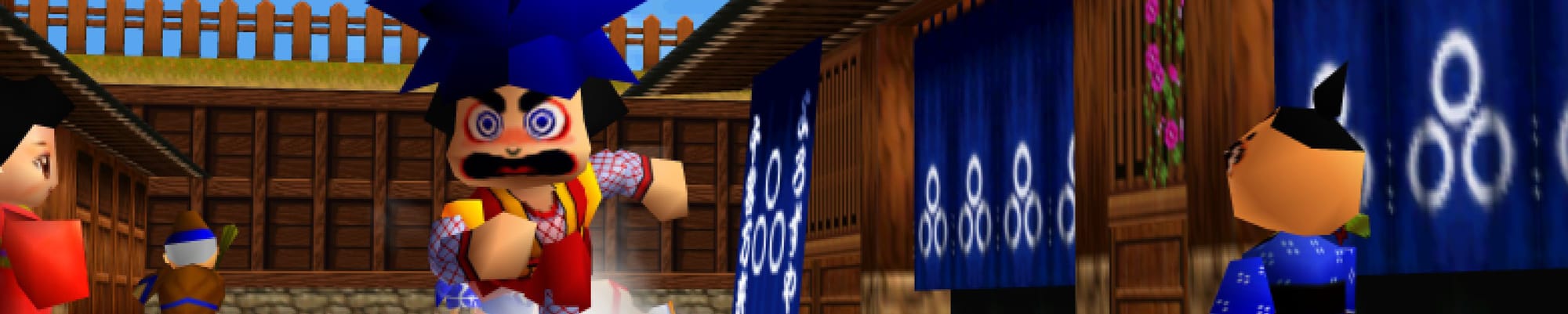
N64 Recompiled is an open source project (Github) created by Wiseguy that aims to enable the creation of modern ports of Nintendo 64 games without having to fully decompile the code — though an existing decompilation can certainly be very helpful. More technically, it's "a tool to statically recompile N64 binaries into C code that can be compiled for any platform."
Compared to emulation, which requires mimicking the behavior of an entire piece of hardware, decomps and recomps interpret just the game's code and translate it to run natively on another platform.
In an interview for my newsletter in 2024, Wiseguy explained:
"The static recompilation process is able to optimize the translated code much more than dynamic recompilation (the technique most emulators use to translate the instructions while the game is running), since all of the game's code is all available to the compiler during the optimization process. Another major difference is that static recompilation allows the game's code to directly interact with the the platform it's being run on, instead of needing to go through the interface that the original hardware provided. Gyro aiming is a good example of this, as the game's code was modified to just directly read inputs from the mouse or controller, rather than needing to add some custom functionality to an emulator and then modify the game to interact with that custom functionality. This really streamlines the process of adding enhancements, since it's not far off from how you'd add that functionality to an actual modern game engine."
One major perk of N64 Recompiled over individual decompilations is that it offers a ready-to-go framework for PC ports, so that elements like graphics and control settings don't have to be customized from scratch for each release.
For a more thorough introduction to N64 Recompiled, check out the video below and its follow-up about the addition of mod support to to N64 Recompiled from mid-2025.
You can also read my coverage of N64 Recompiled across multiple Read Only Memo newsletter issues:
 Wes Fenlon
 Wes Fenlon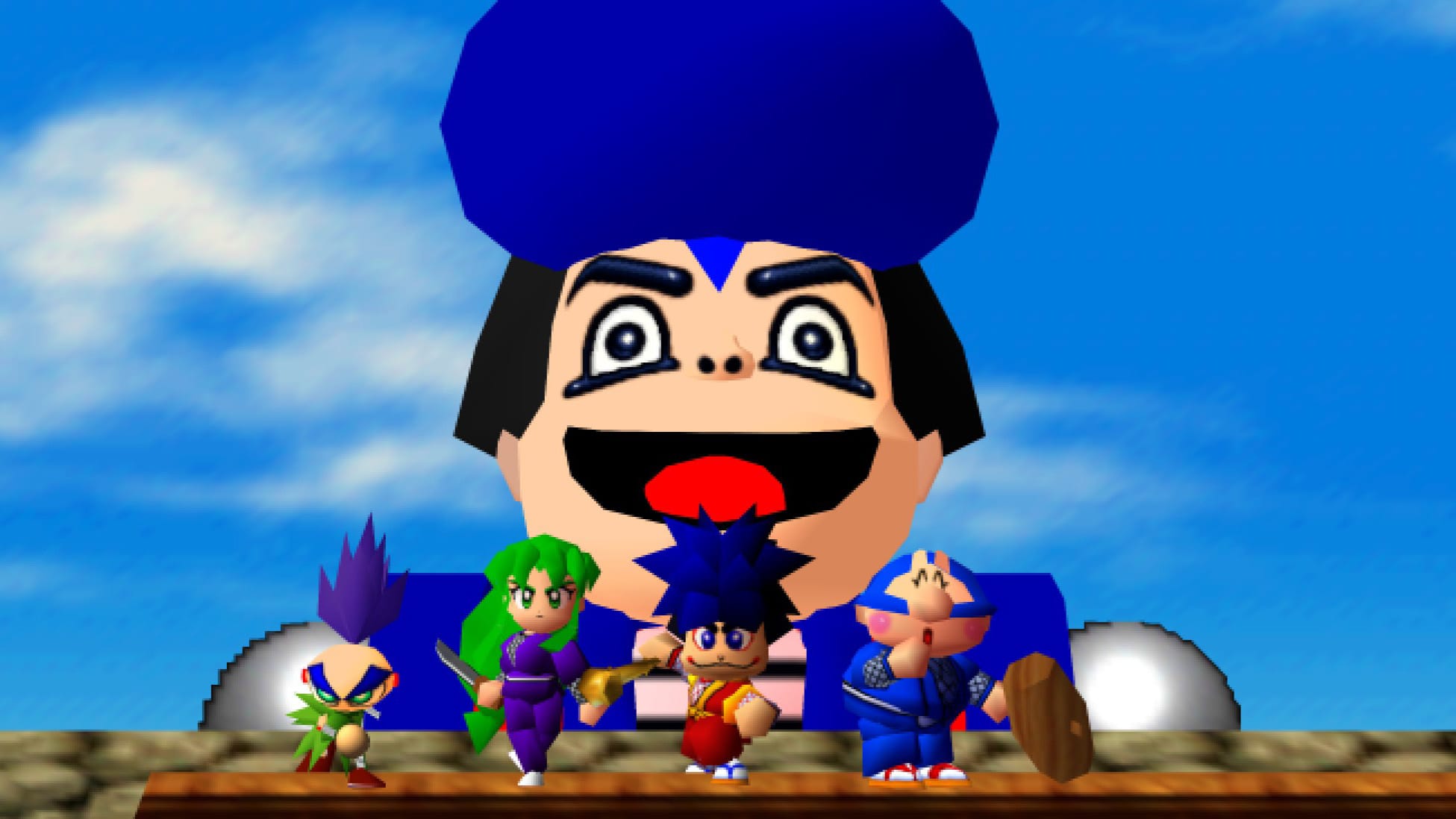
 Wes Fenlon
 Wes Fenlon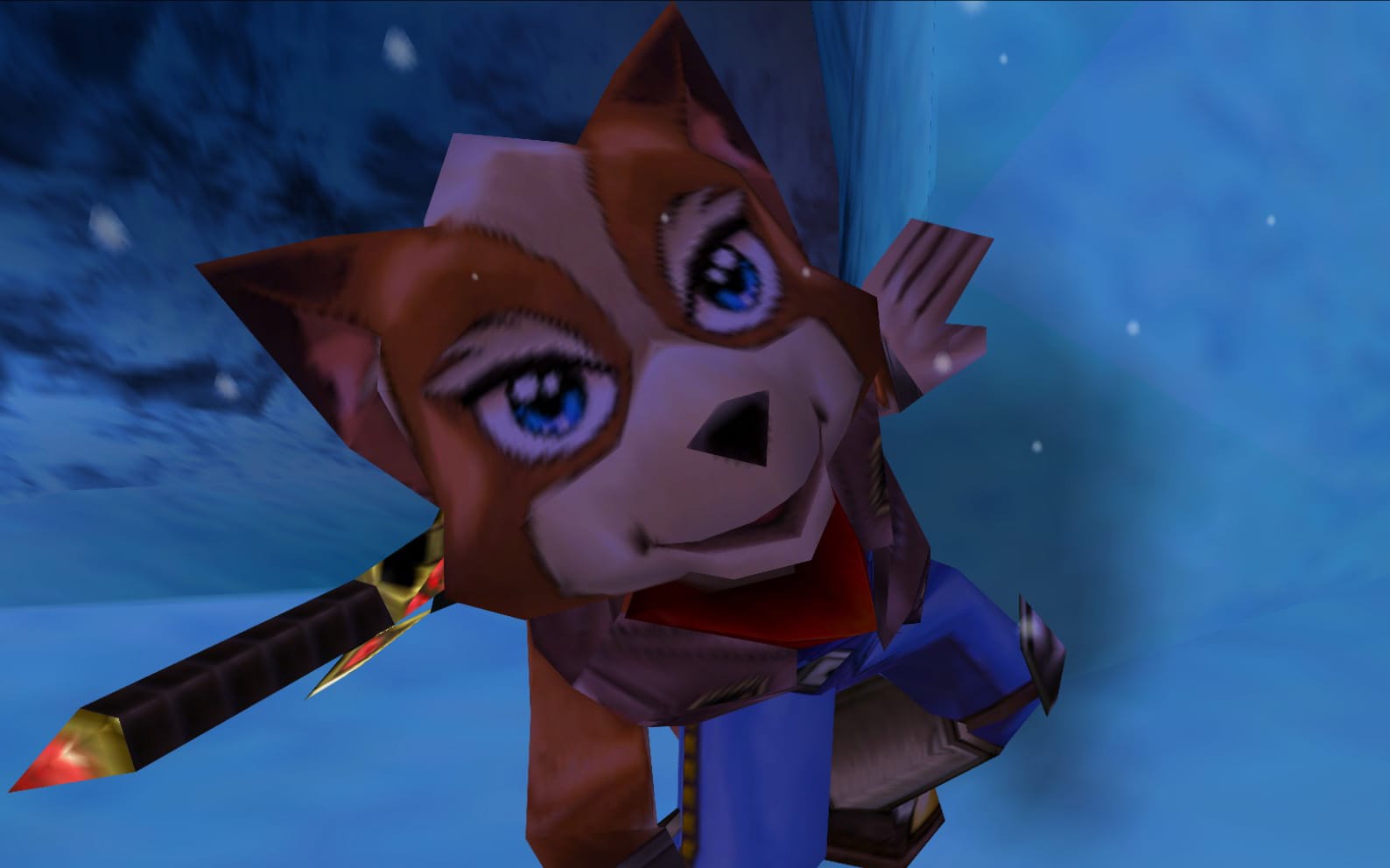
What's better, decompilation or recompilation? Which should you play if a game has both?

You probably saw this answer coming: They both have their merits.
Ugh, I know! That doesn't help you decide whether to play a decomp or a recomp when both options are available, does it?
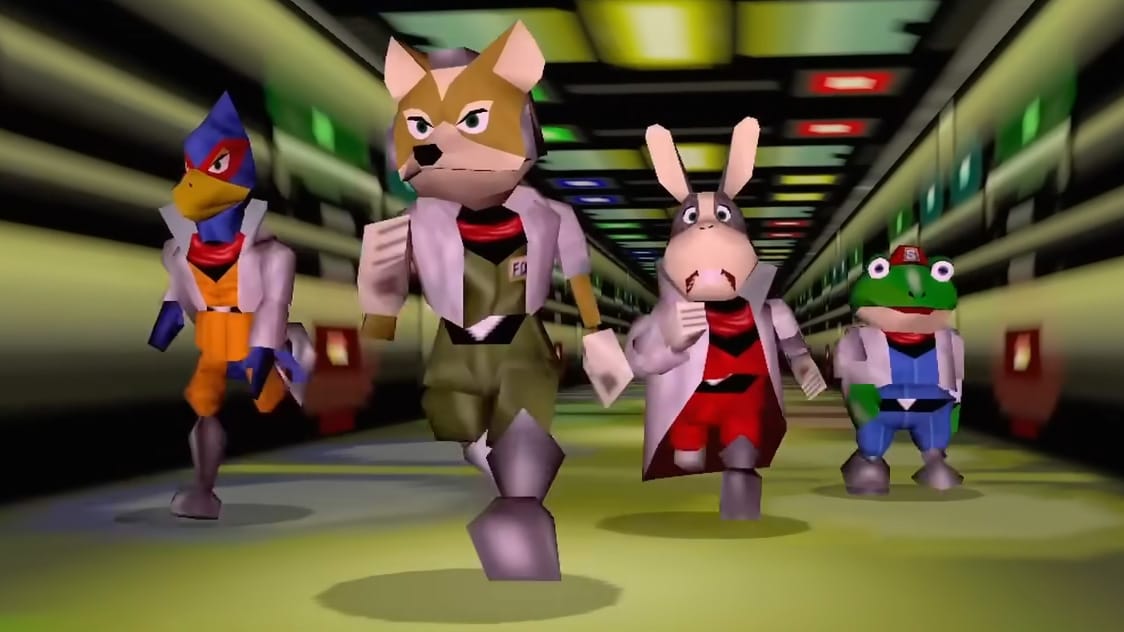
Luckily, we can turn to an expert for a bit more detail: Sonic Dreamcaster, who has worked on multiple ports using both techniques. Here's his breakdown of the pros and cons of using the custom port for the Star Fox 64 decompilation (Starship) or the N64 Recompiled recomp:
 sonicdcer
Pros and cons for decompilation:
+ Full debugging capabilities
+ Benefits preservation
+ Easy asset replacement mods
+ Multi-controller support with libultraship library
˗ Audio needed fixing
˗ Fast3D developed for Mario 64 needed more features
˗ Modding wasn't easy to pull off cleanly
Pros and cons for static recompilation
+ Works even for undefined behaviors
+ Modding is easy and more like romhacking
+ Audio works 'out of the box'
+ RT64 graphics backend "is way more accurate and performant," has an excellent debugger and easily handles widescreen fixes
˗ Memory layout makes some modding harder
˗ Game must be recompiled after every code change
˗ No 4 controller support yet, so no multiplayer
That's a general overview, but whenever there's decomp/recomp overlap it's likely going to come down to a case-by-case basis of which makes sense for you. The system you're playing on, what mods you want to install, and so on will make a difference.
Decompilation projects with PC ports
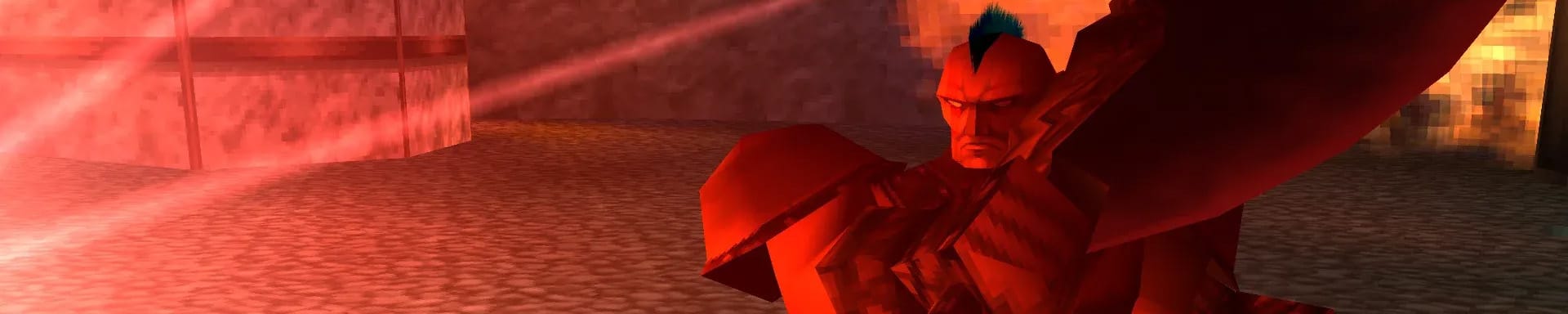
This is a comprehensive list of all the currently released, finished (or at least playable) game decompilation projects with ports that you can launch by providing your own ROM.
(Note: The only thing I haven't included here are decomps of classic PC games like Tomb Raider and Command & Conquer. Those exist, and they're rad, but I'm keeping the focus on older console games made playable on PC natively for the first time.)
Arcade


NES
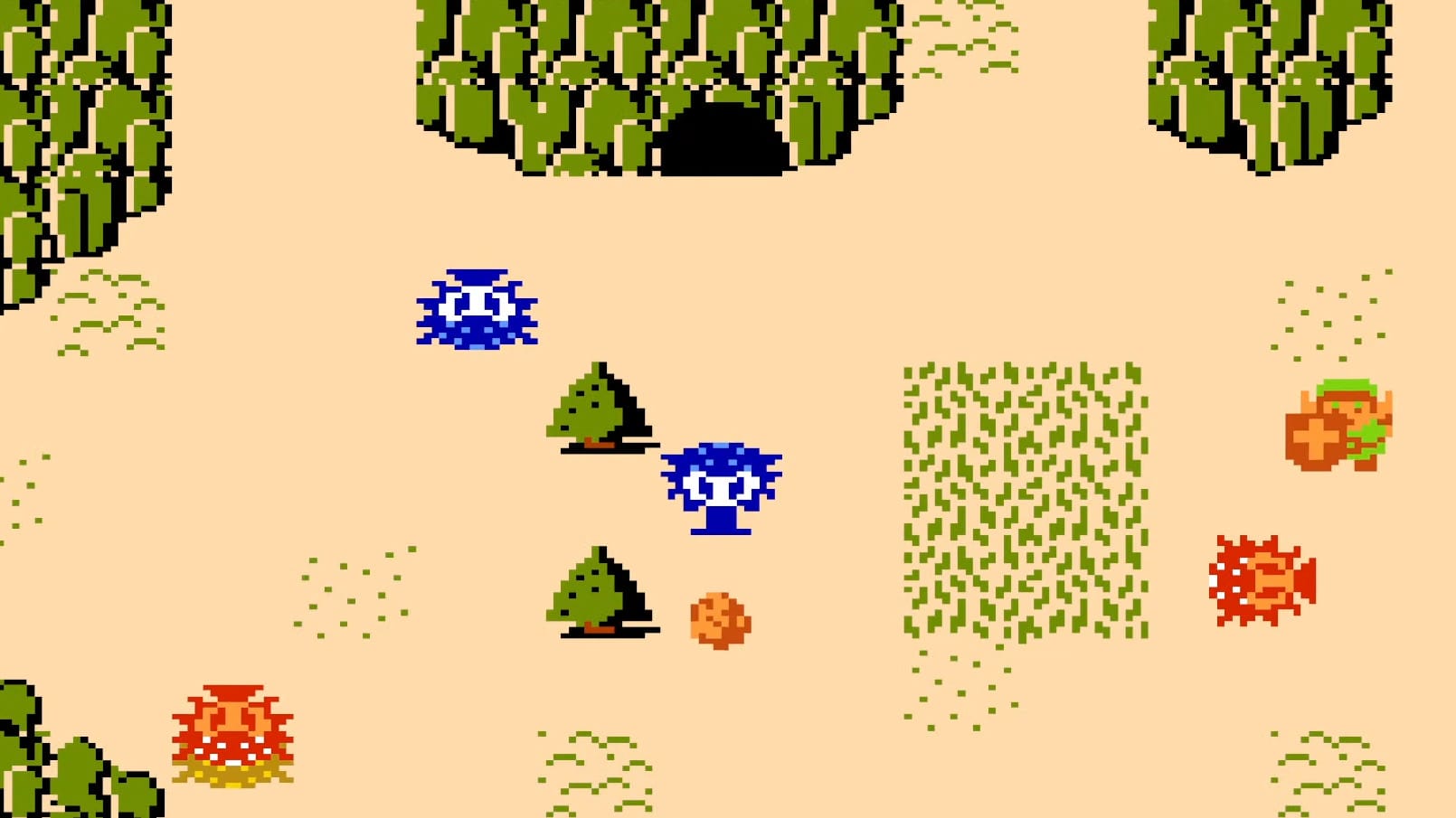
ZQuest Classic 2.55.12 | Updated January 2026 (*not actually a decompilation, but spiritually close)
Genesis
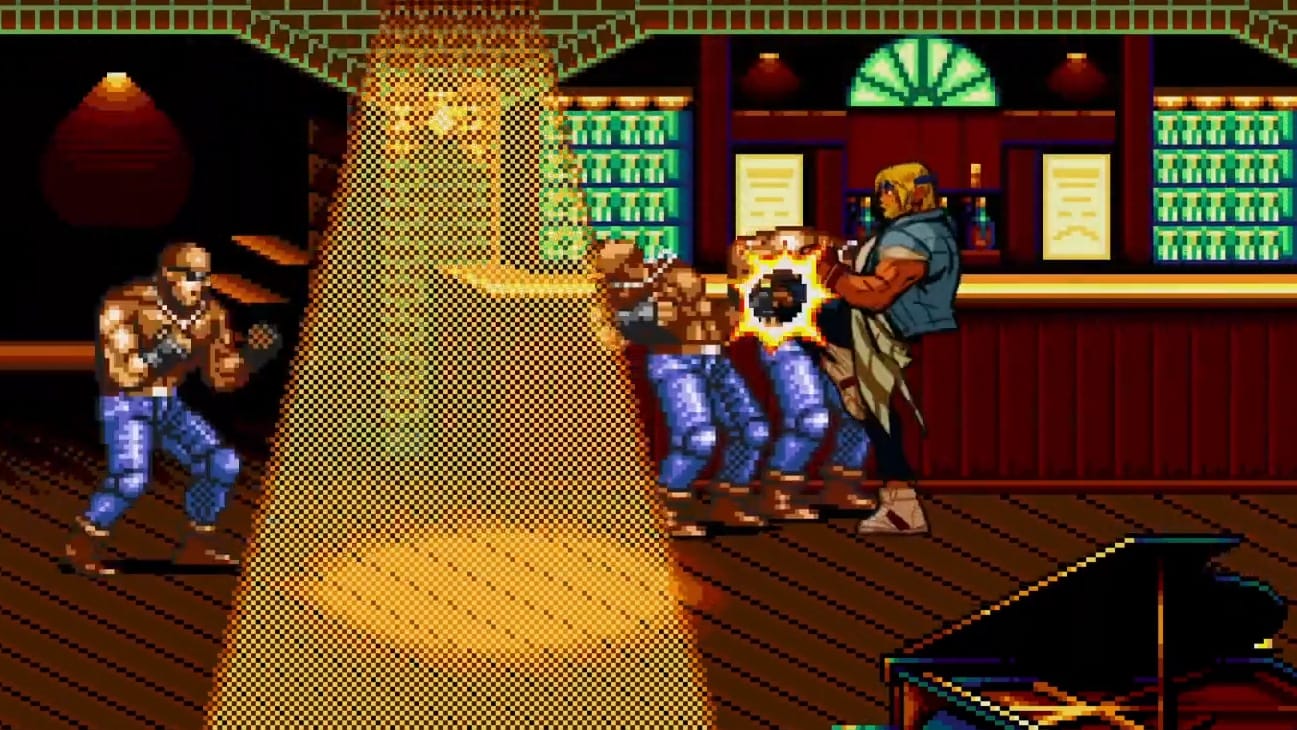
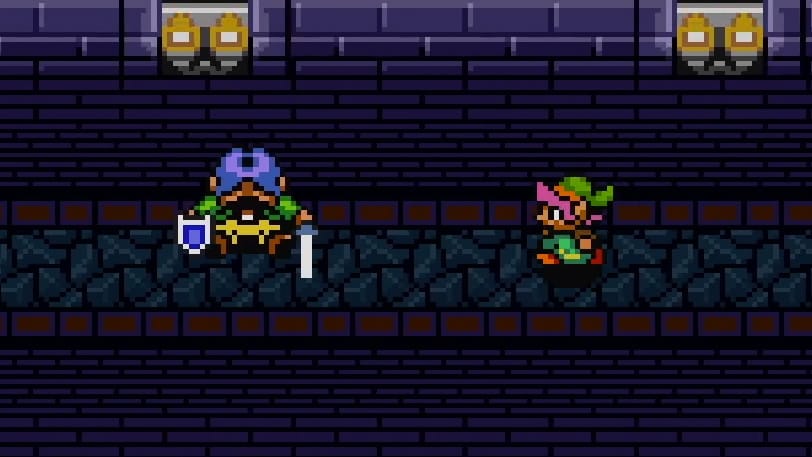
SNES
PlayStation
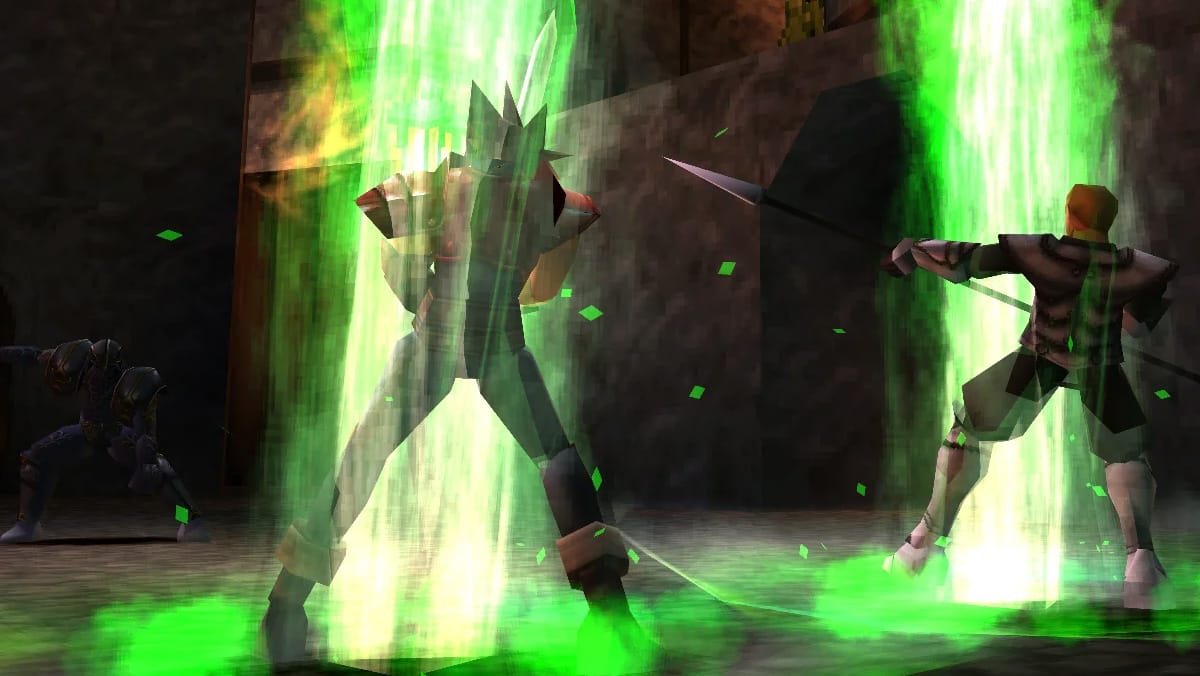
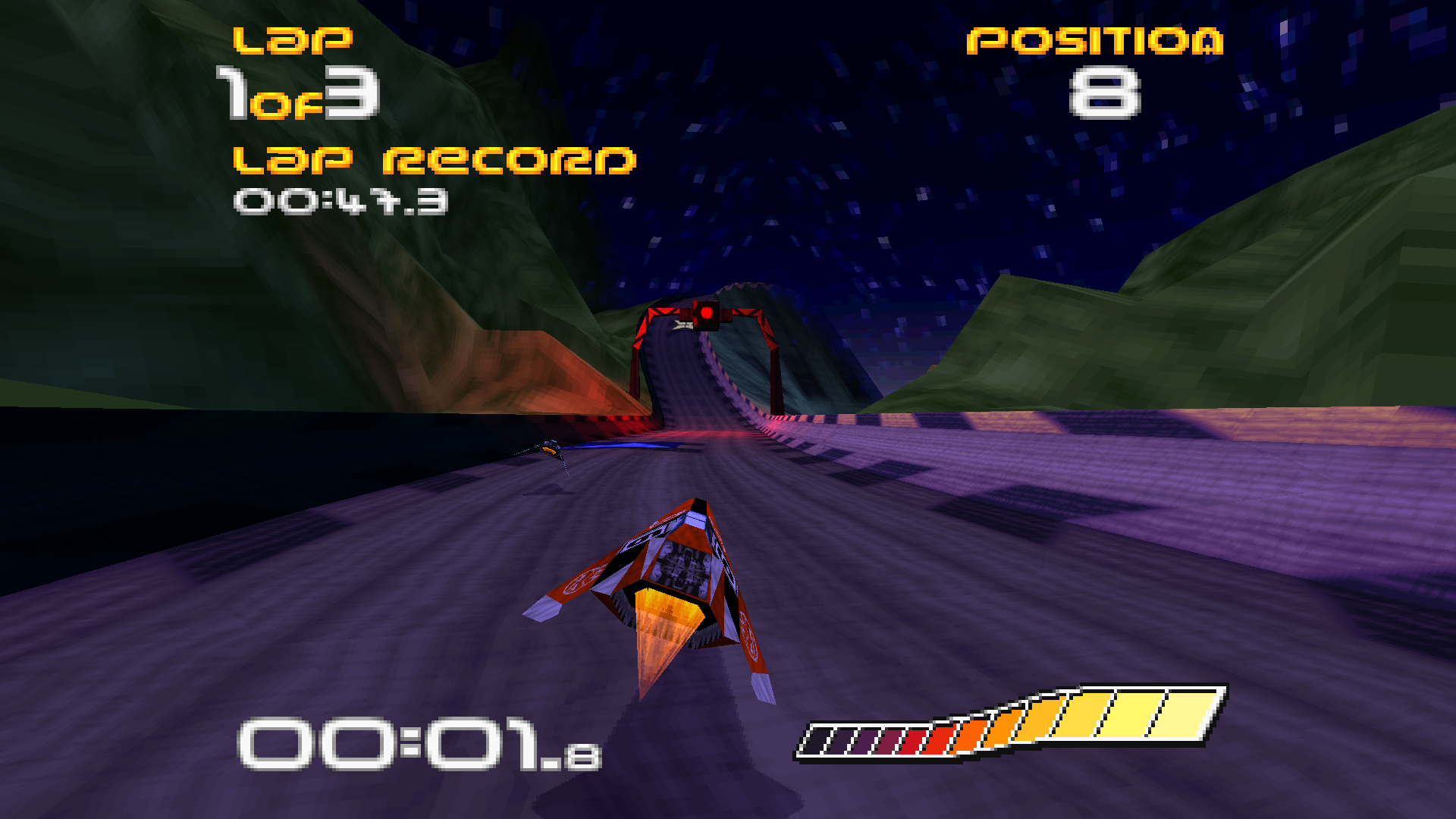
Nintendo 64
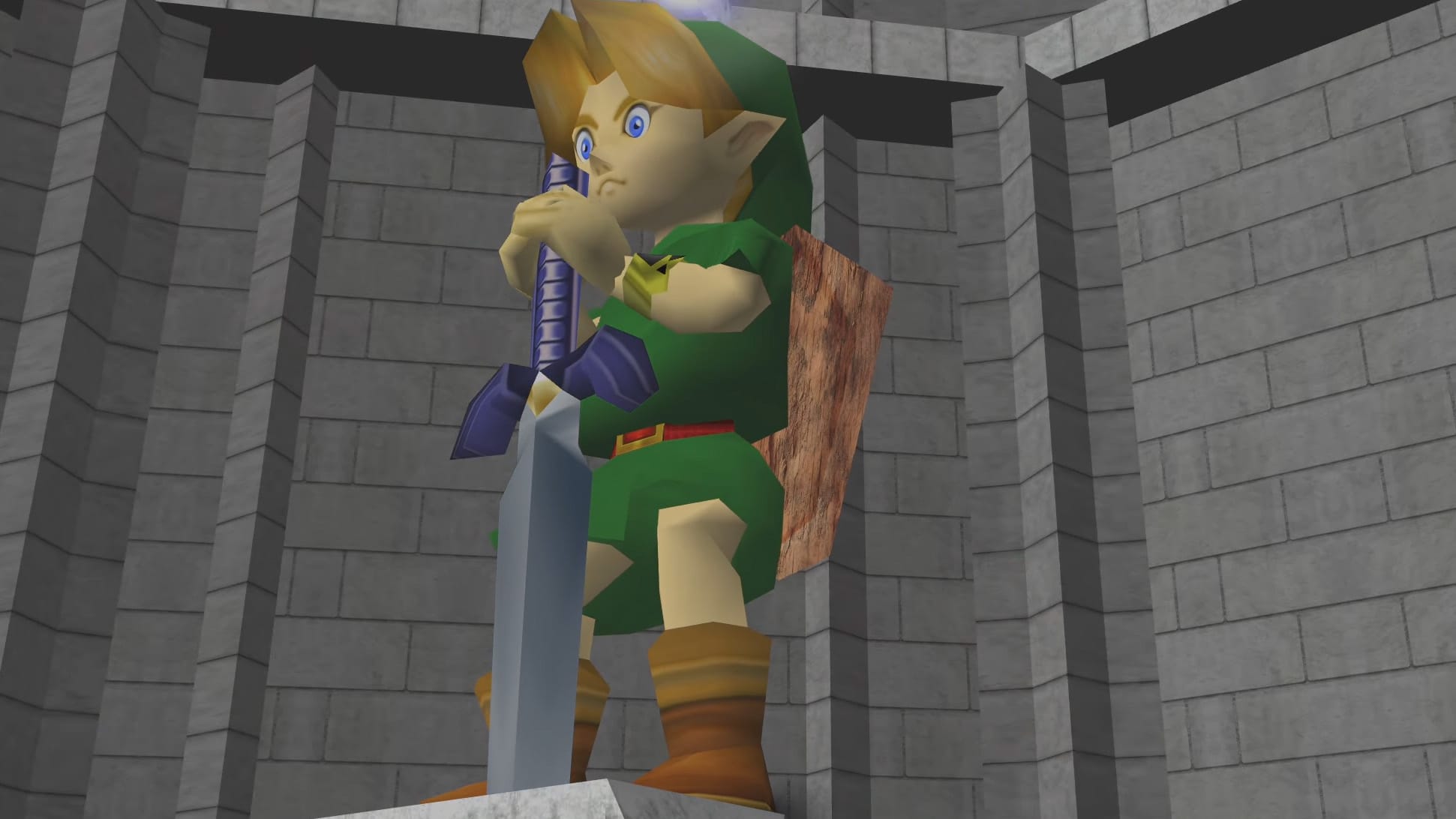
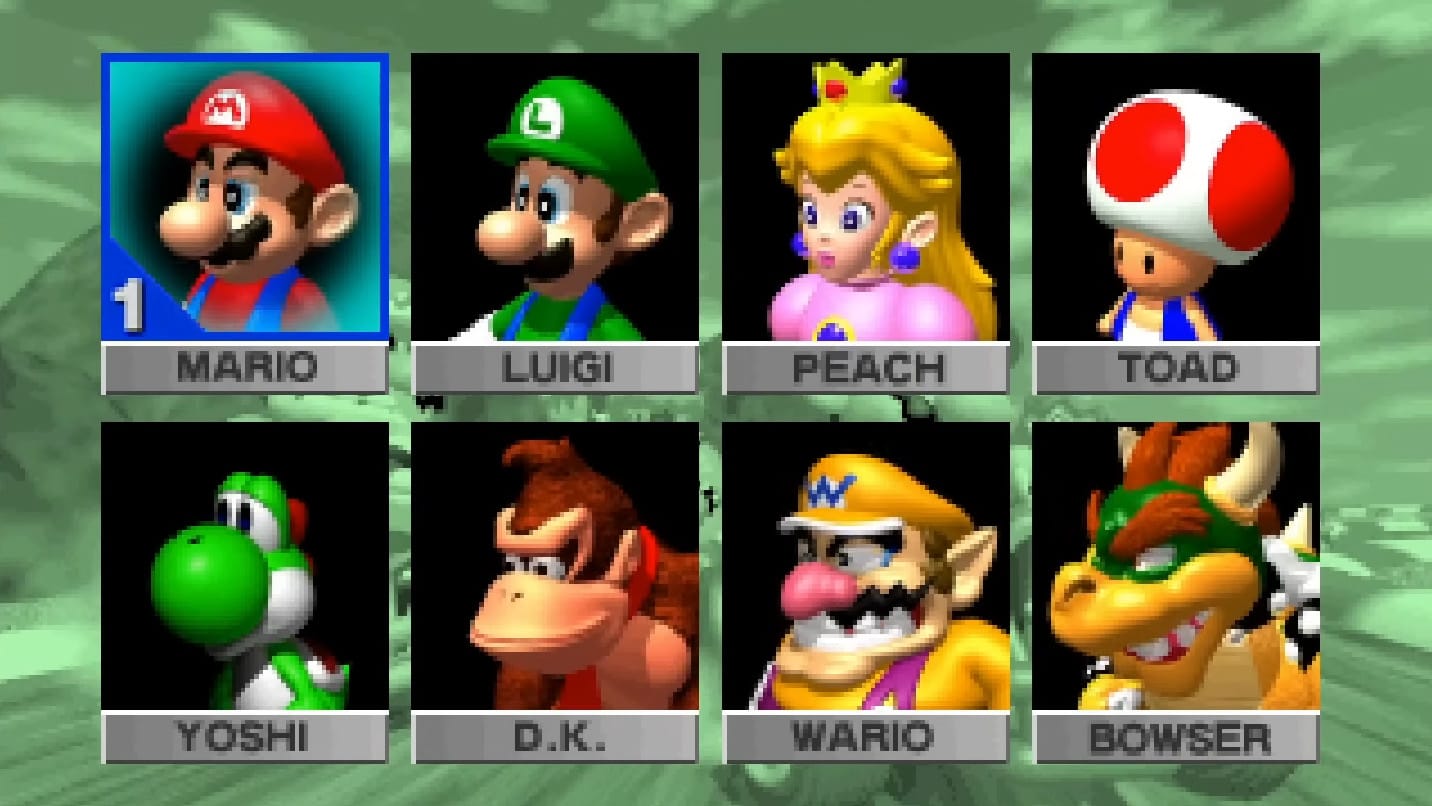
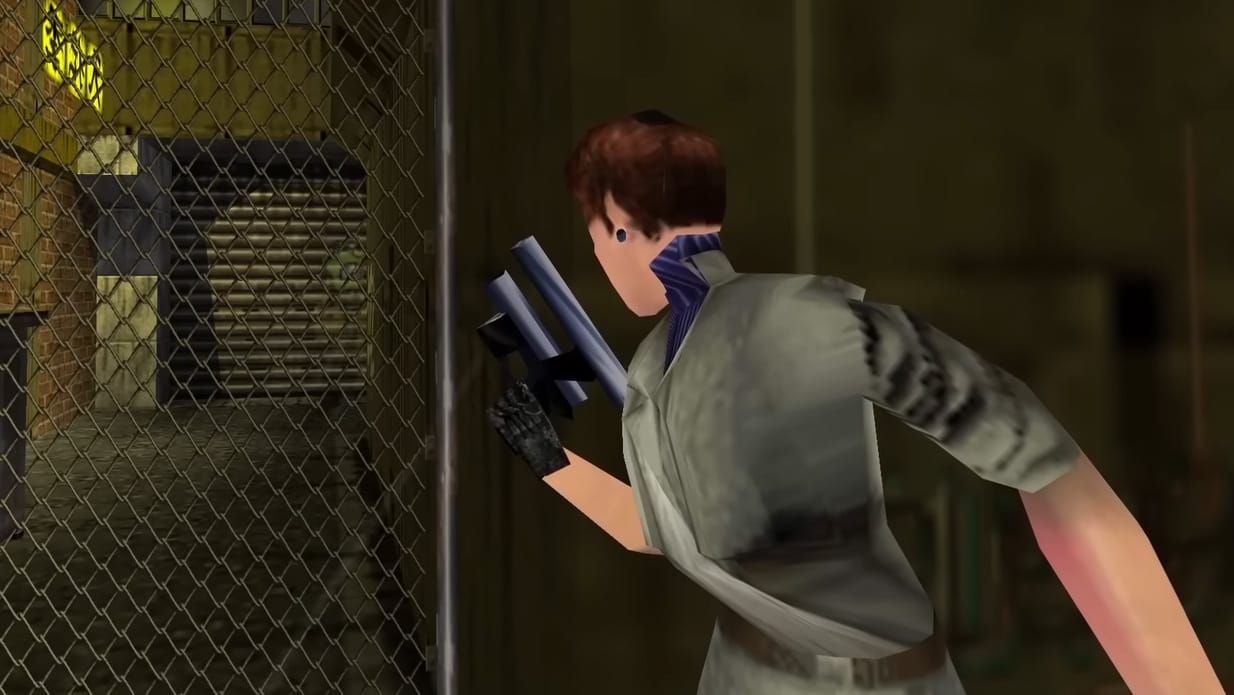
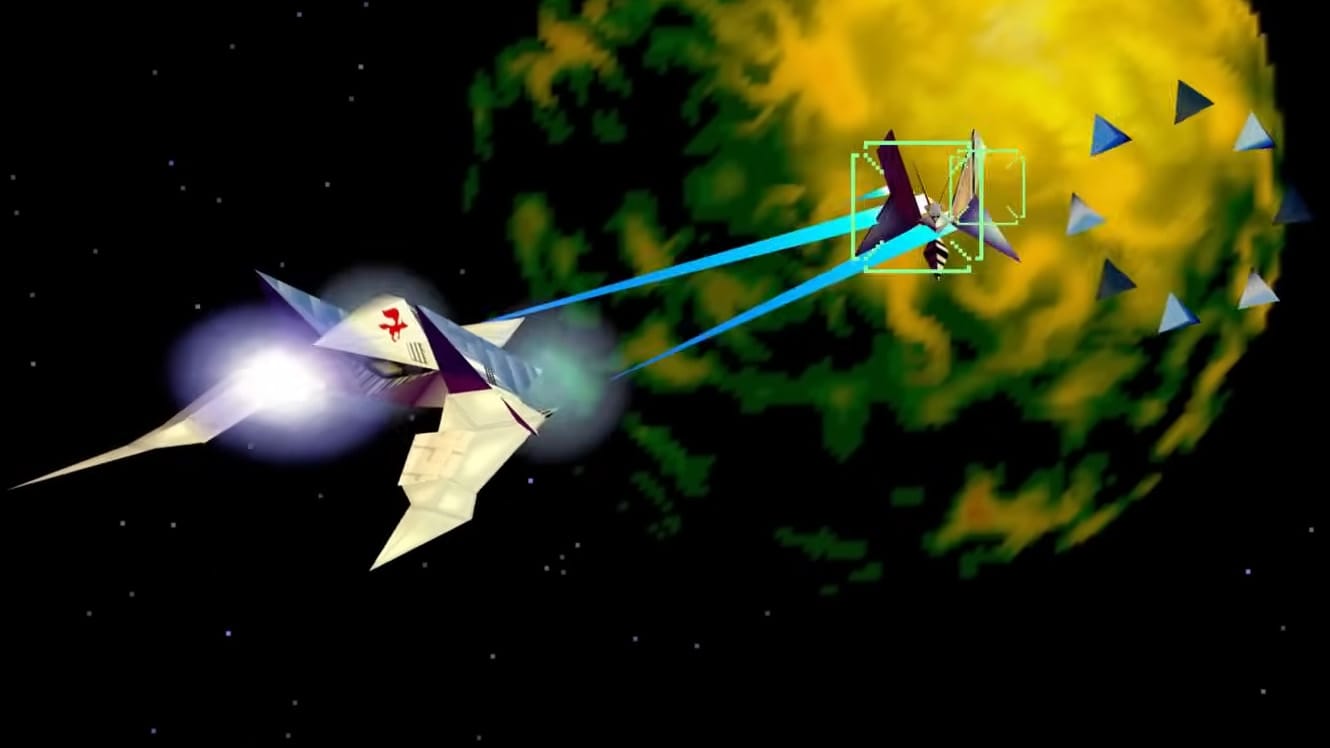
Starship v2.0.0 | Updated May 2025
See also: sf64-dc (Sega Dreamcast) | Updated: December 2025
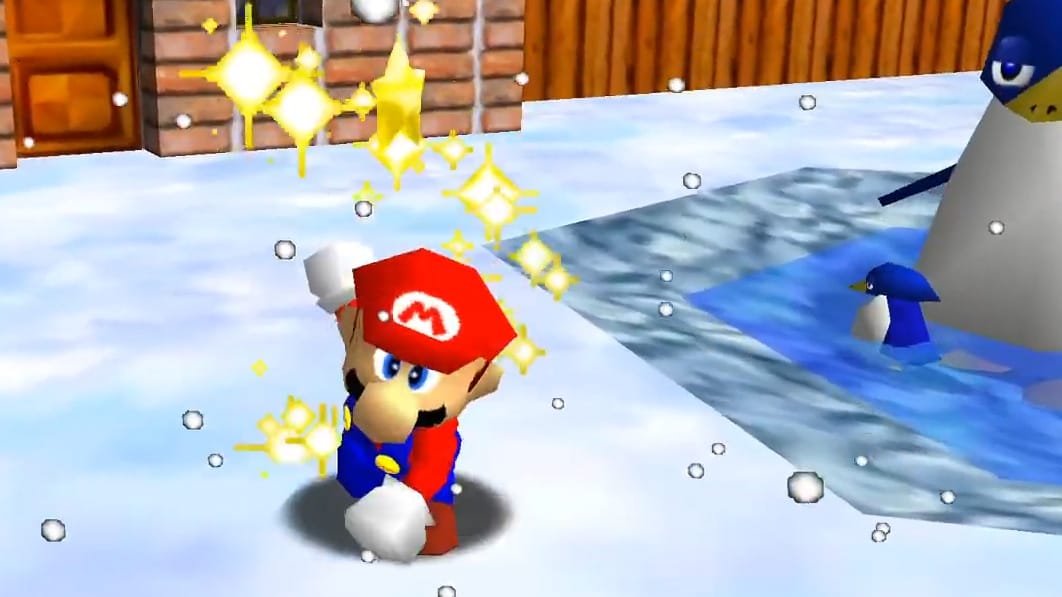
Ghostship 1.0.2, January 2026
See also: SM64Plus v3.0.0, November 2022
See also: SM64coopdx v1.4 (Multiplayer), November 2025
Game Boy Advance

PlayStation 2
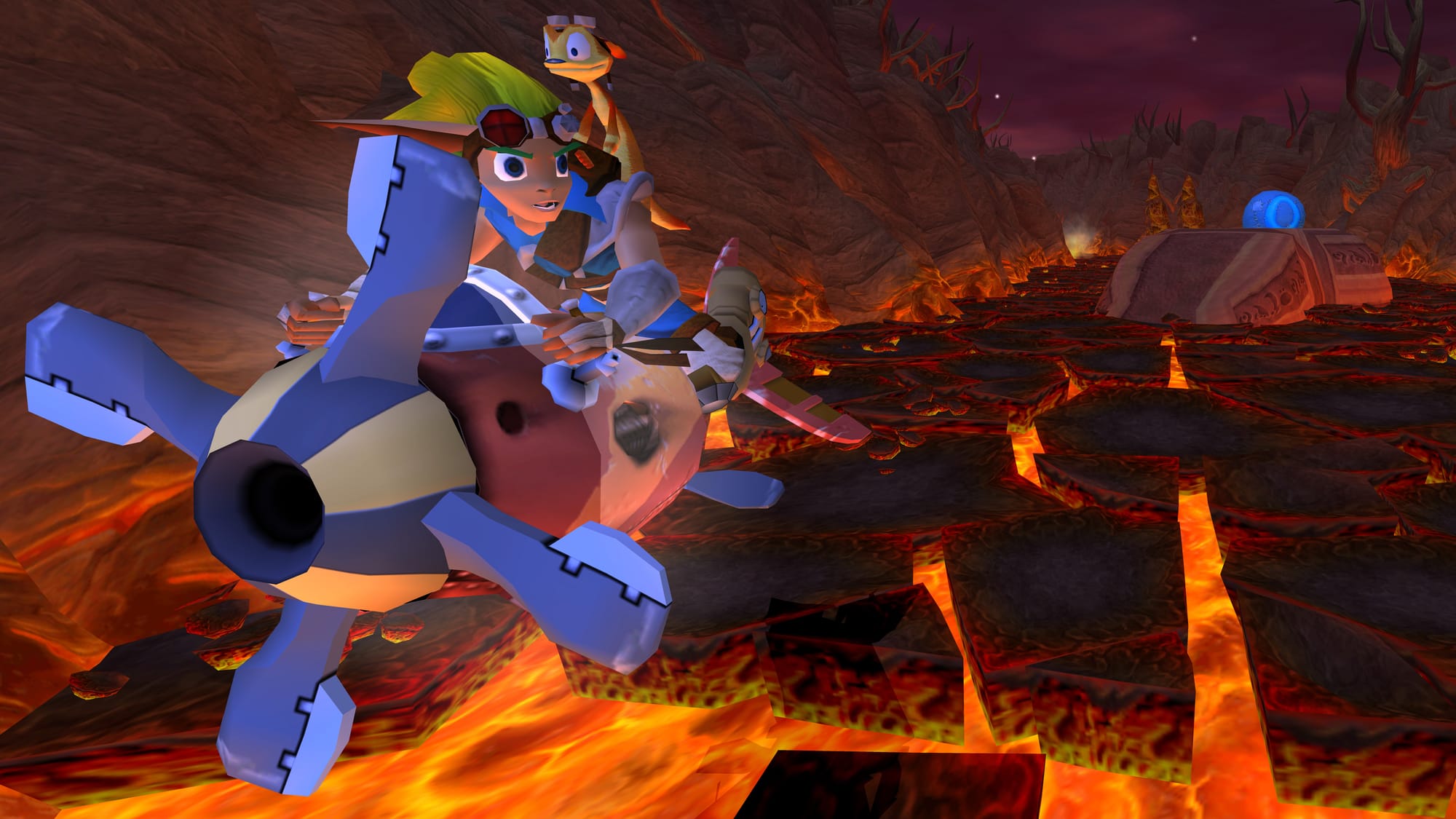
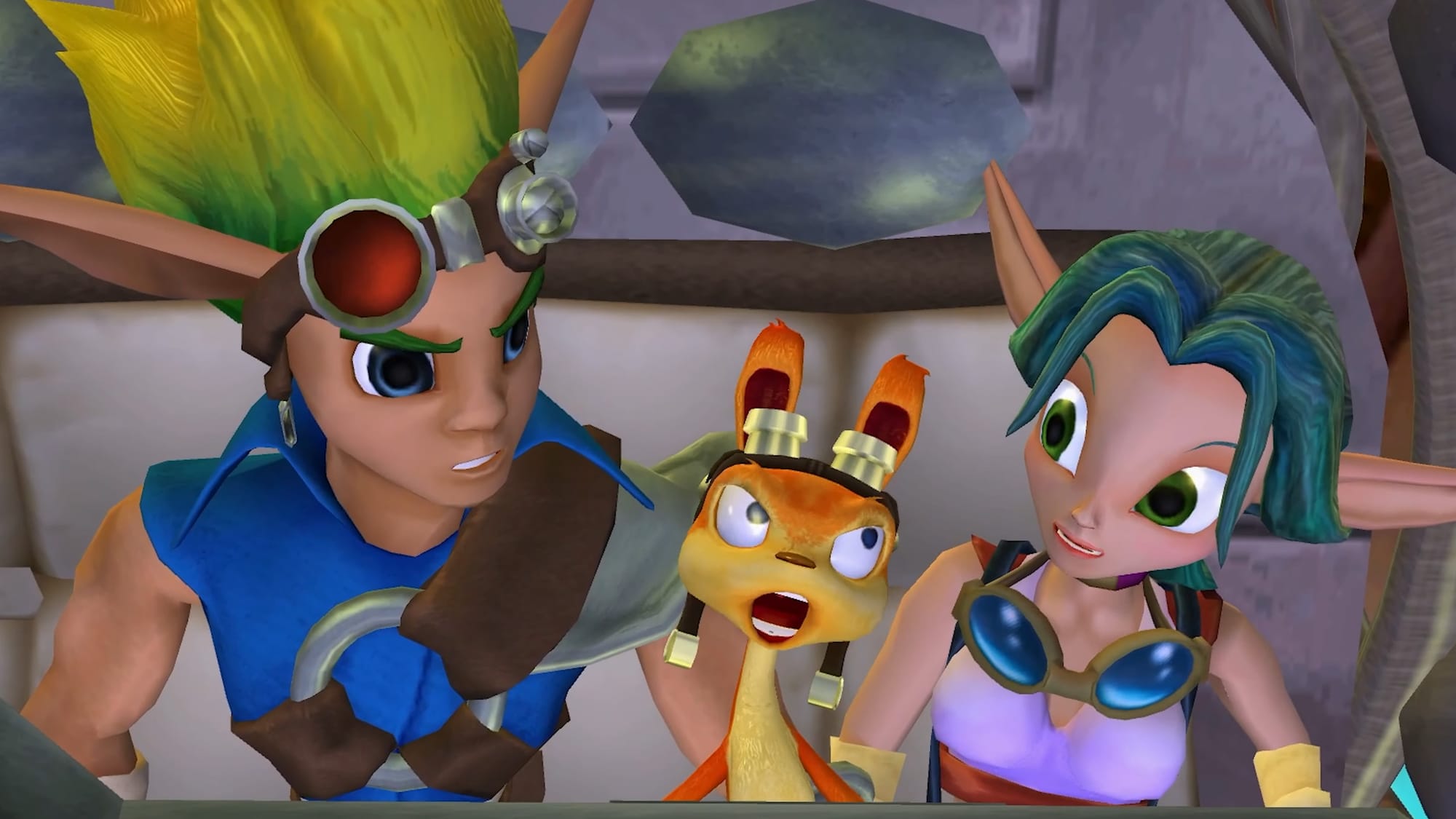
GameCube

ACGC-PC-Port v0.8.1-playtest | Updated March 2026
*AI code disclosure | (Another AC port, Forest, is in development but unreleased)
Xbox 360

UnleashedRecomp v1.0.3 | Updated April 2025
(*actually a recomp but it made more sense to list here)
N64 Recompiled PC ports

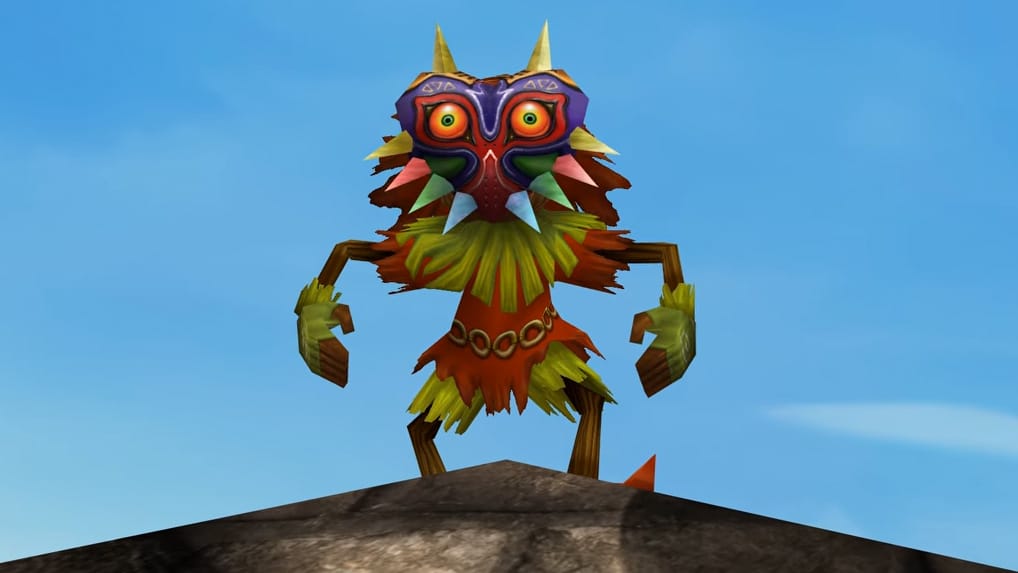
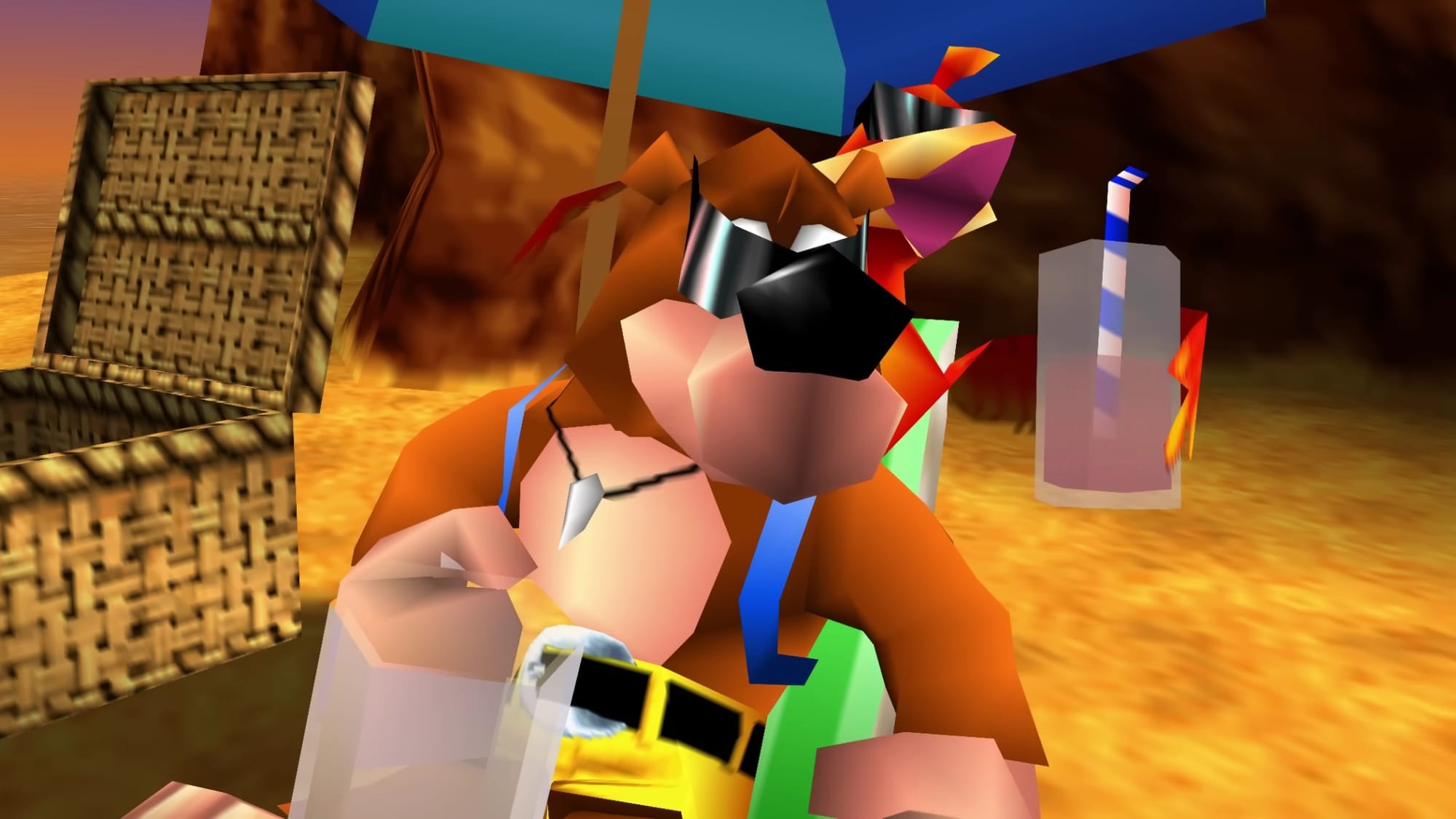
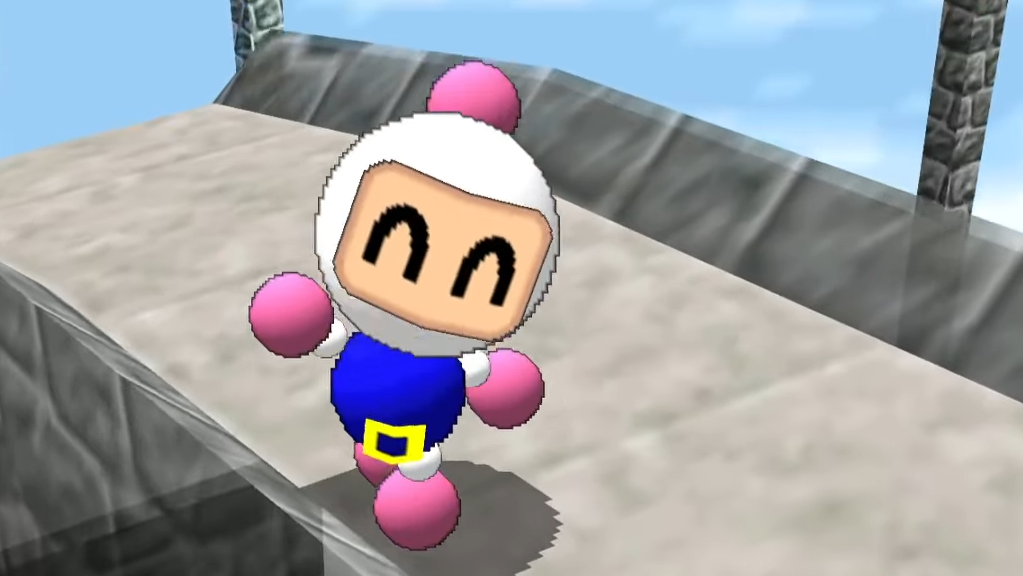
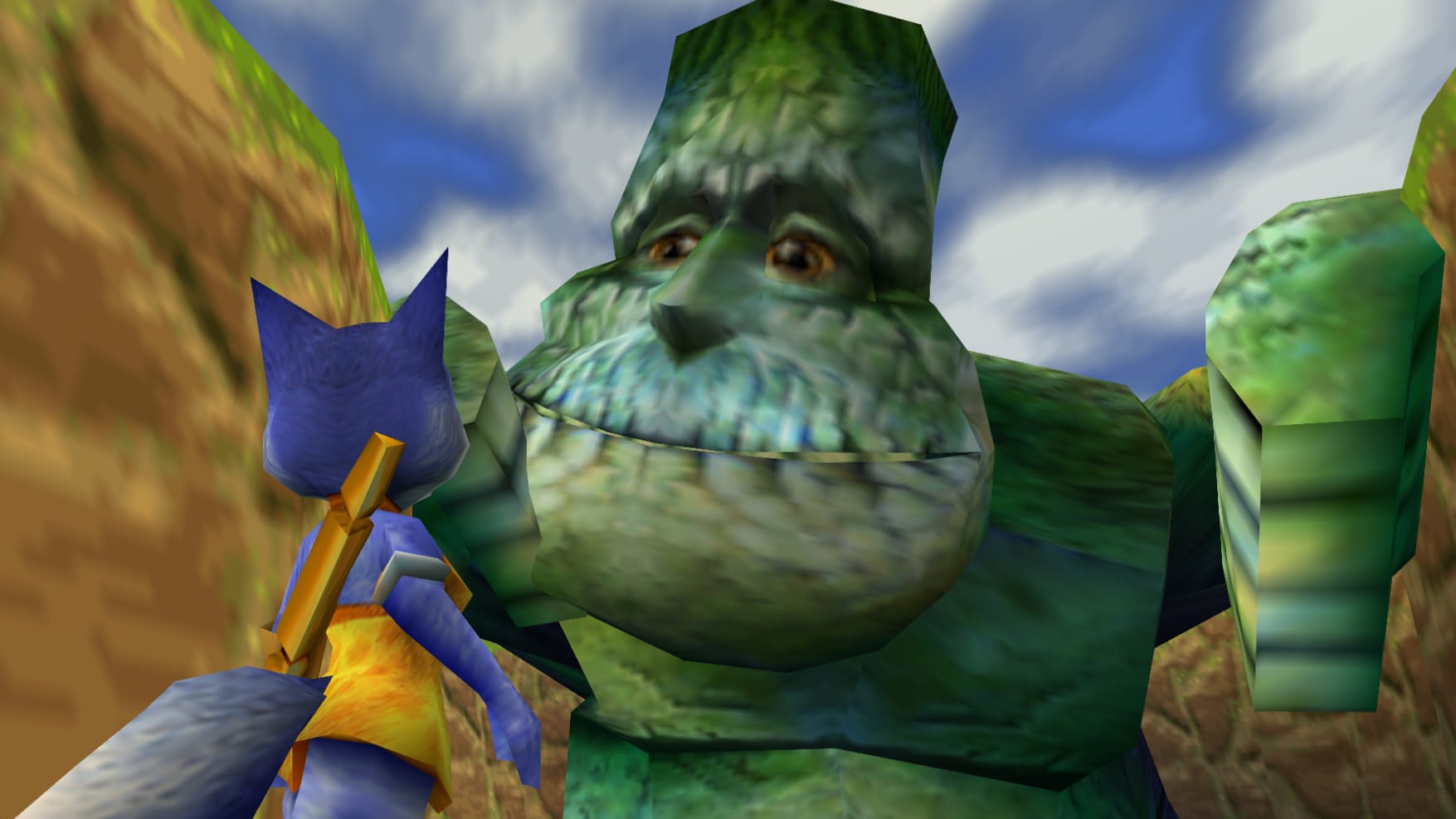
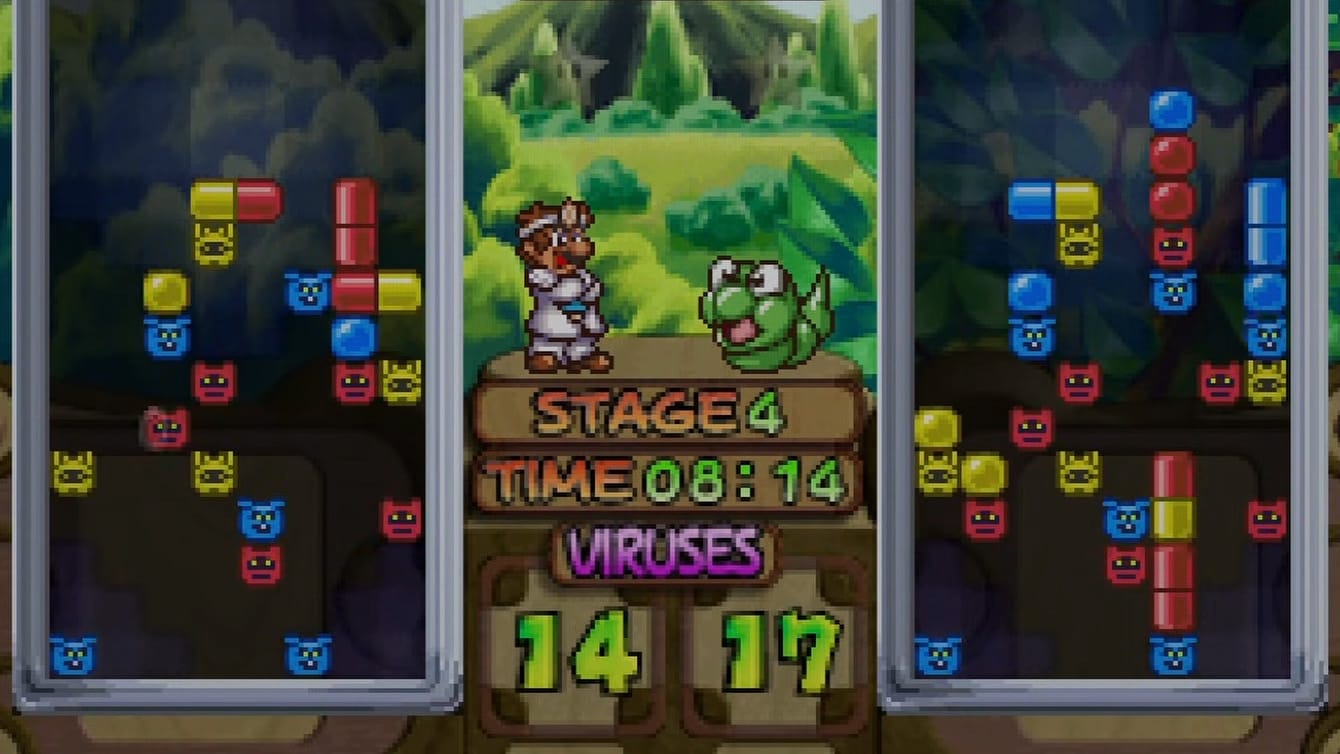
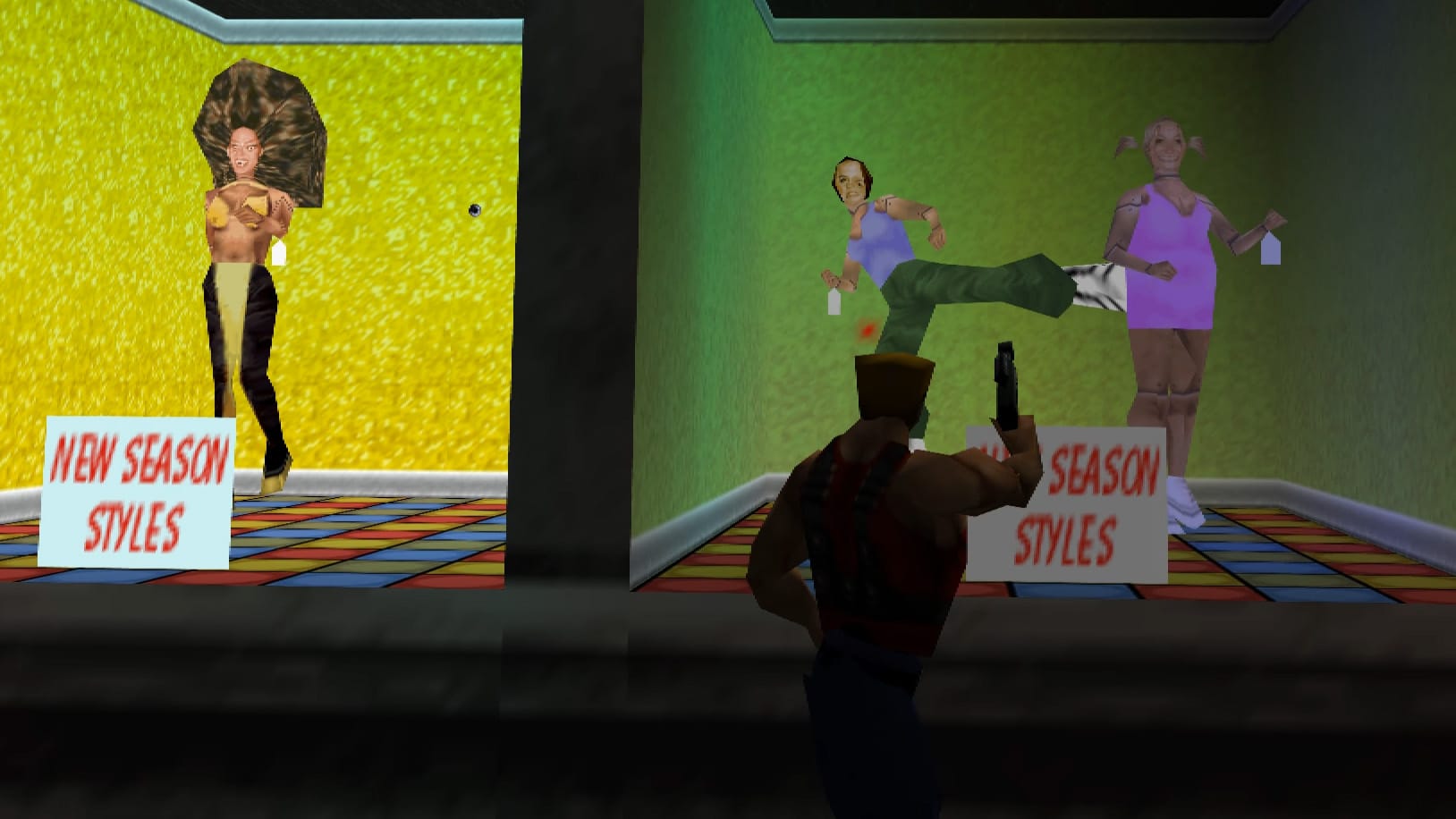
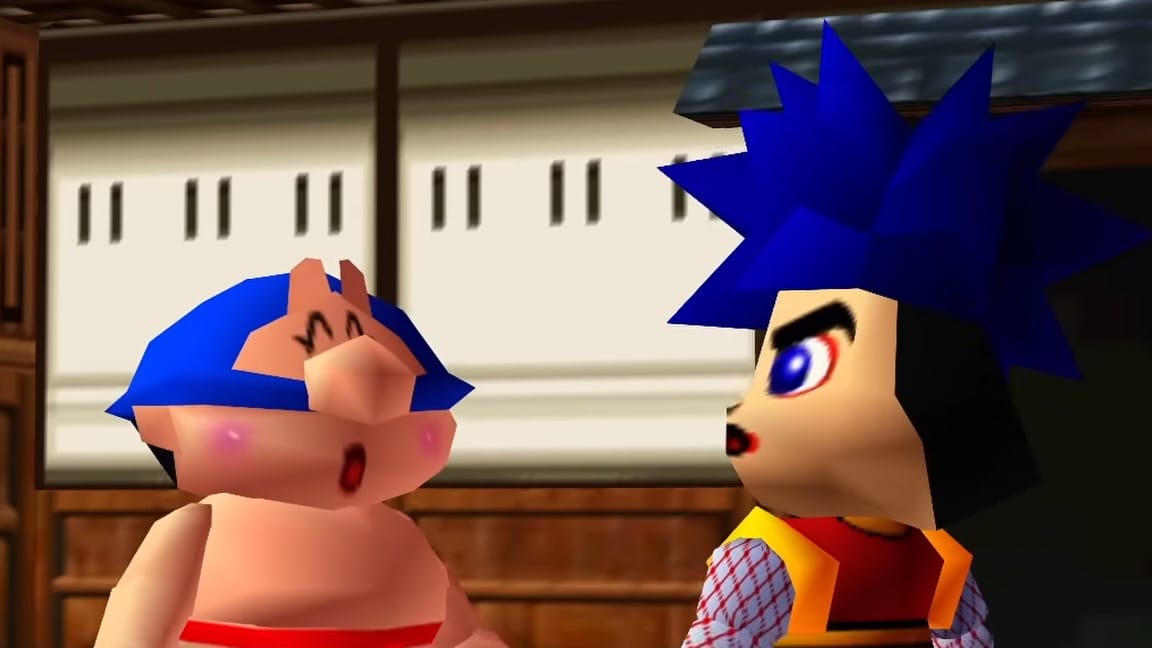
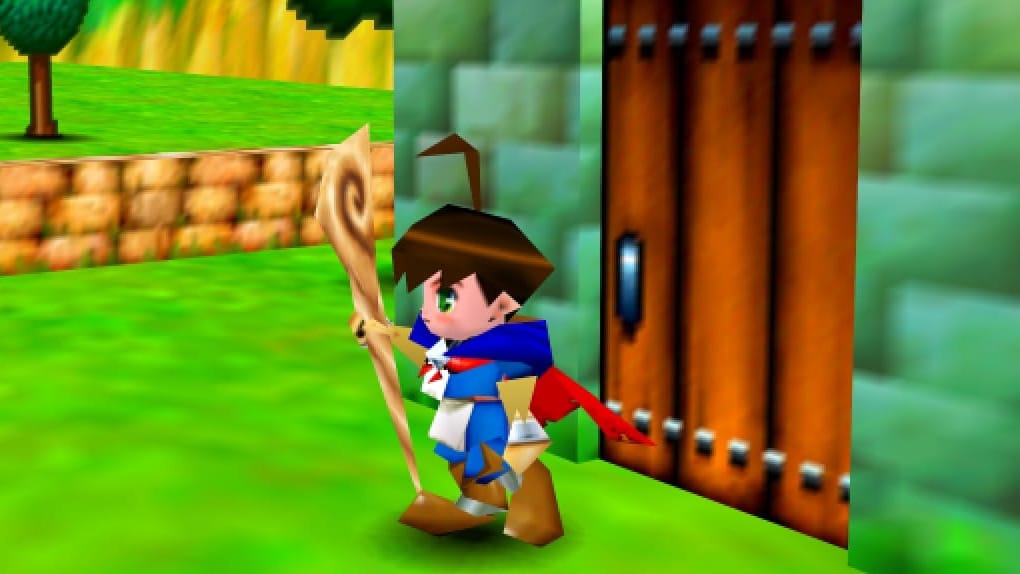
There are now multiple recomps of Nintendo 64 games that you can play right now! Whaddya waiting for? Don't you want to mod Majora's Mask, plop 3D models into Mario Kart 64, or play the never-released Dinosaur Planet?


Completed decomps without ports

These are the tantalizing decompilations that have reverse-engineered 100% of a game's code, but haven't yet had someone take on the work of creating a playable port. Note that some decompilation projects note both the percentage of code that's been decompiled and the percentage that's been fully linked, which is another step beyond the code simply being compileable. Here's an explanation from one of the devs behind Twilight Princess's decompilation.
- Harvest Moon 64 (N64)
- The Legend of Zelda: The Minish Cap (GBA)
- The Legend of Zelda: Twilight Princess (GCN)
- Mario Party 4 (GCN)
- Paper Mario (N64)
- Street Fighter III: 3rd Strike (PS2)
Decompilation and recompilation projects in progress

There are so many underway to keep track of I'm not going to link them all, but you can check out a very thorough, updated list of game decompilations and N64 Recompiled projects on Github, maintained by CharlotteCross1998.
 CharlotteCross1998
In early 2026, a project called Rexglue debuted, based on UnleashedRecomp and the Xenia Xbox 360 emulator. Its aim is to make recompilation viable for all Xbox 360 games, and it's been making rapid progress. We may see some playable ports listed here before the end of the year!
 rexglue
I'm also keeping an eye on PS2Recomp, an early project that aims to replicate the success of N64 Recompiled for the PlayStation 2. It's not yet in playable form, but maybe one day we'll have a whole wealth of PS2 ports on this page, too!
Thanks to CharlotteCross1998 on Github, Decomp.dev, Decompilation.wiki, Winnie at Resetera, and everyone working on decompilations and recompilations for helping make this page possible.