Well hello there!
Thank you for putting up with (and even sending over kind words about) last week's change from your regularly scheduled programming. The response to Warp Point has been way beyond what I expected or even hoped for — it's been a lot of work to put together, and I expected to get a little buzz from a few indieweb diehards going "oh, neat." But gamers really are psyched about a webring in 2026! Who woulda thunk.
We've now got more than 170 sites on the directory as of this writing, and I was invited on the Aftermath Hours podcast to talk more about this whole thing. But enough of that. Where were we?
Ah, that's right: EMULATION! That's what we do around here. Since I kept you waiting an extra week, this is a pretty beefy issue, with two interviews — one about a project I've been keeping my eye on for the past month or so, and a translation that just popped up in like, the last 48 hours. We've got a fun spread of news, how-it's-made process, and shooting AI the bird.
Yes, these are all among my favorite things.
I don't typically do forecasting in ROM as I don't like to promise stuff that may not come to pass (*cough* Segagaga *cough*) but I wanted to toss out a few likely-but-not-guaranteed topics for the next couple months:
- A detailed write-up of the SuperStation One MiSTer UI, as it's getting close to leaving beta
- An interview about an all-timer RPG getting the fan port treatment
- A ~ cool Konami thing ~
But that's the future. Right now, you've got a lot to read about the PS1, so let's. Get. Into it.
The Big Two
1. RecompOne brings static recompilation to the PlayStation 1 — without AI

Here's where we're at in 2026: I get a flood of relief when I scroll to the bottom of a Github page like RecompOne's and see a big bold heading like this one: "Stance on AI." Because if someone's bothering to say anything about AI at all, it's probably to say something like this:
"This project is not vibe-coded. AI was not involved in writing the code!"
There are currently two efforts underway to bring a recompilation framework, much like N64 Recompiled or ReXGlue, to the original PlayStation. In one of them, almost half of the commits are by Anthropic's coding agent Claude. We're not going to talk about that one today.
The other, from young compsci student Flaffy, is taking the pure human approach.
"I don't like using it personally because I like writing my code, but I can see how it can be useful in more monotonous tasks," says Flaffy. "The problem for me is that some people thinks AI can do anything for you and you dont need to actually learn it, which for recompilation will not work at all. You don't need only to know how the recompiler itself works, you also need to know how the game internals work, you need to put the time and effort into it which AI can't by itself. I don't want RecompOne being associated with sloppy recomps."
Over the last five or so months that Flaffy has been working on RecompOne, they've seen a number of "AI slop ports being released with no care," as have I while working on ROM. The disappointment that results from discovering a recompilation project was coded with AI isn't because that code is inherently tainted, but it's usually a good sign that the person behind it likely hasn't gone the extra mile to work on the sort of polish that distinguishes a technically playable port from a really good one. That extra mile is especially significant for the actual recompilation framework if it's to be used as the basis for, theoretically, a console's entire game library.
Inspired by N64 Recompiled and the recompilation of Sonic Unleashed, Flaffy had the idea to tackle PS1 recompilation more than a year ago. But they had a lot to learn first.
"I started learning more about Assembly and CPU internals in uni and got the energy to truly start to work on RecompOne," they said. "Since both PS1 and N64 share the same CPU architecture I started by learning how MIPS works in general and learning more about MIPS R3000A (the model PS1 uses). I also have made a very basic PS1 emulator to understand how things work inside it, but a lot of stuff I learnt as I was going... The recompiler itself, the part that gets the MIPS code and spits out C# code, is finished. The only issues at the moment are in the runtime, that is the part that translates the calls for PS1 hardware into calls for modern hardware (it's fairly similar to how a high level emulator works)."
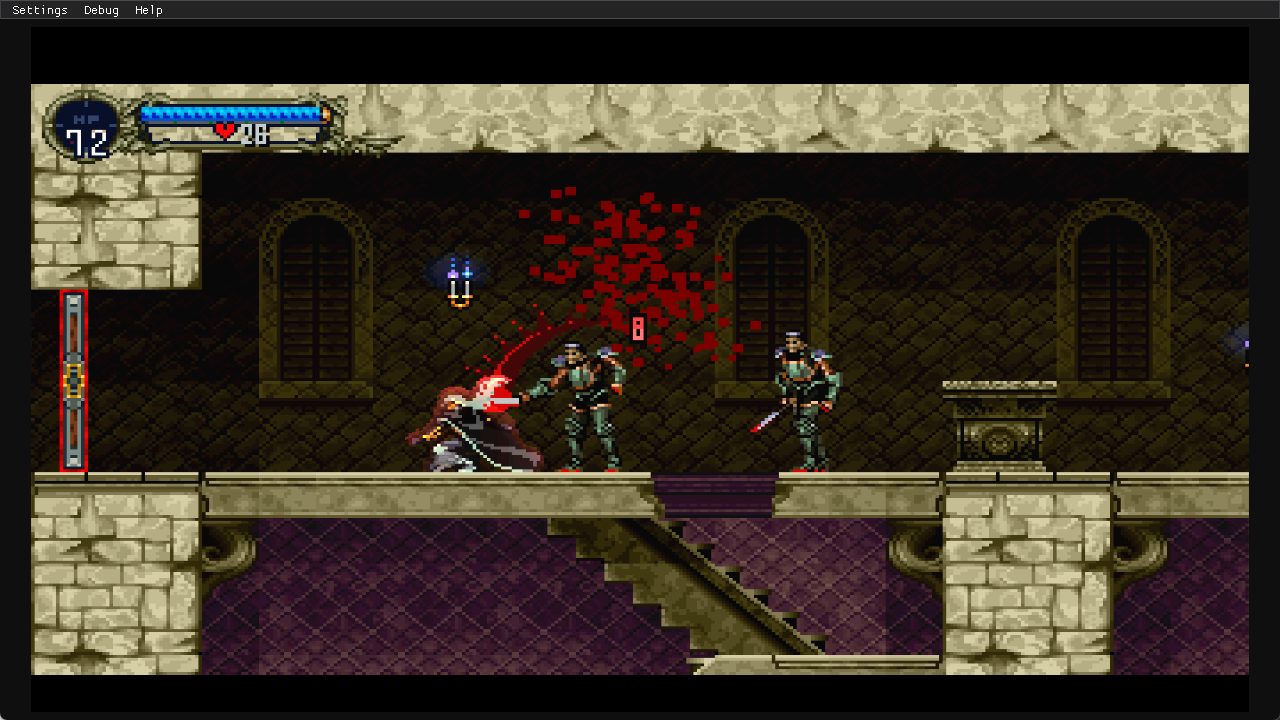
Flaffy still has some polishing to do and bugs to fix, but the project is now in a state it can be used to begin porting games. To test it they've been using Castlevania: Symphony of the Night — because it has a basically complete decompilation, it's quicker and easier to identify what all the game's code is doing and translate it on the fly.
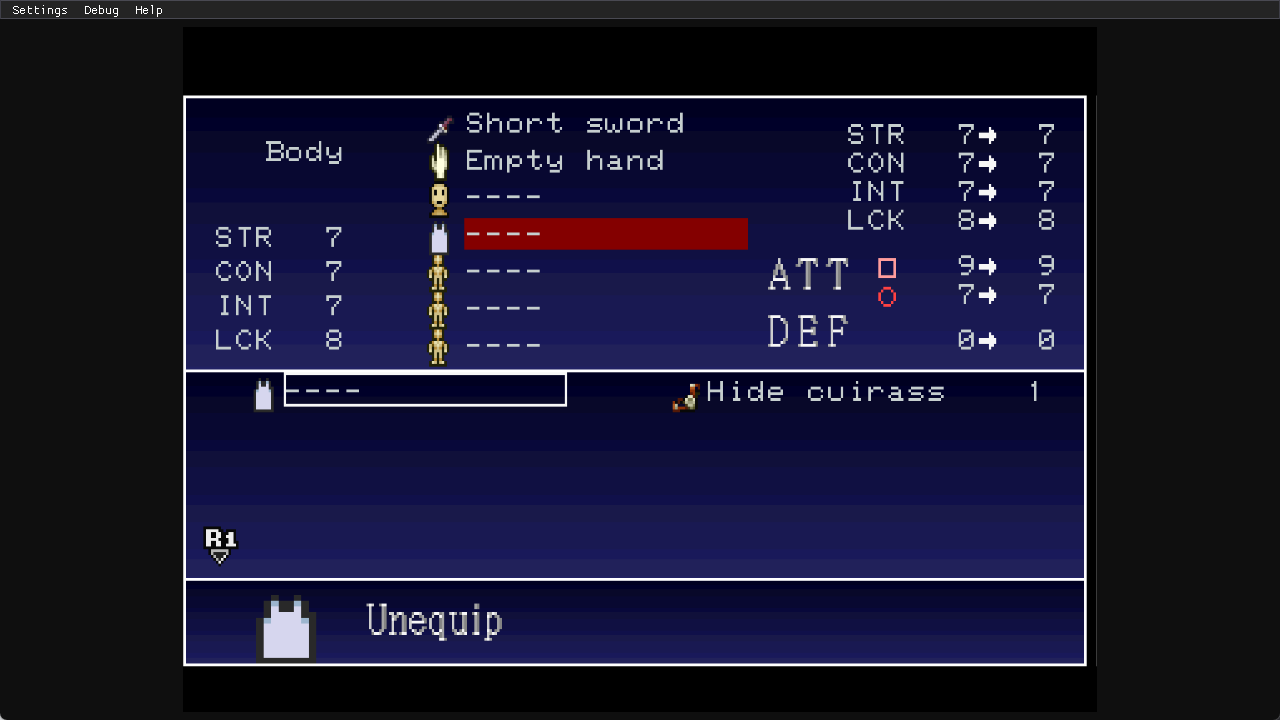
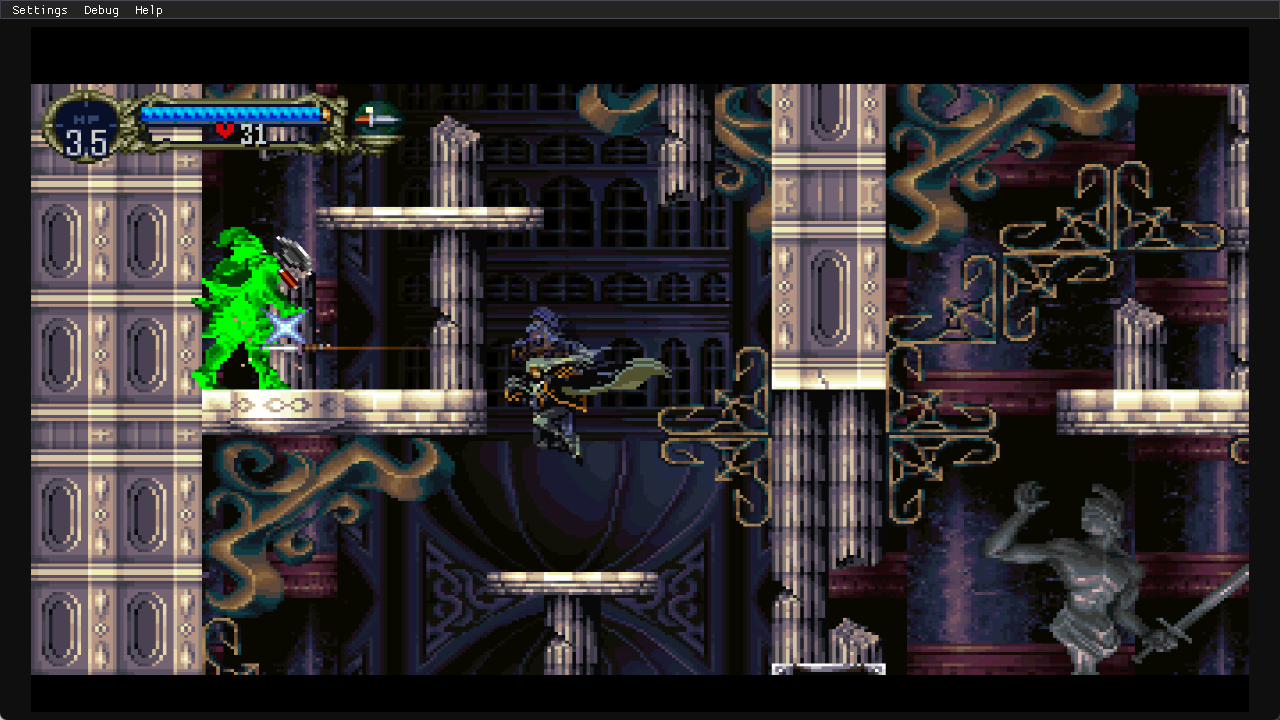
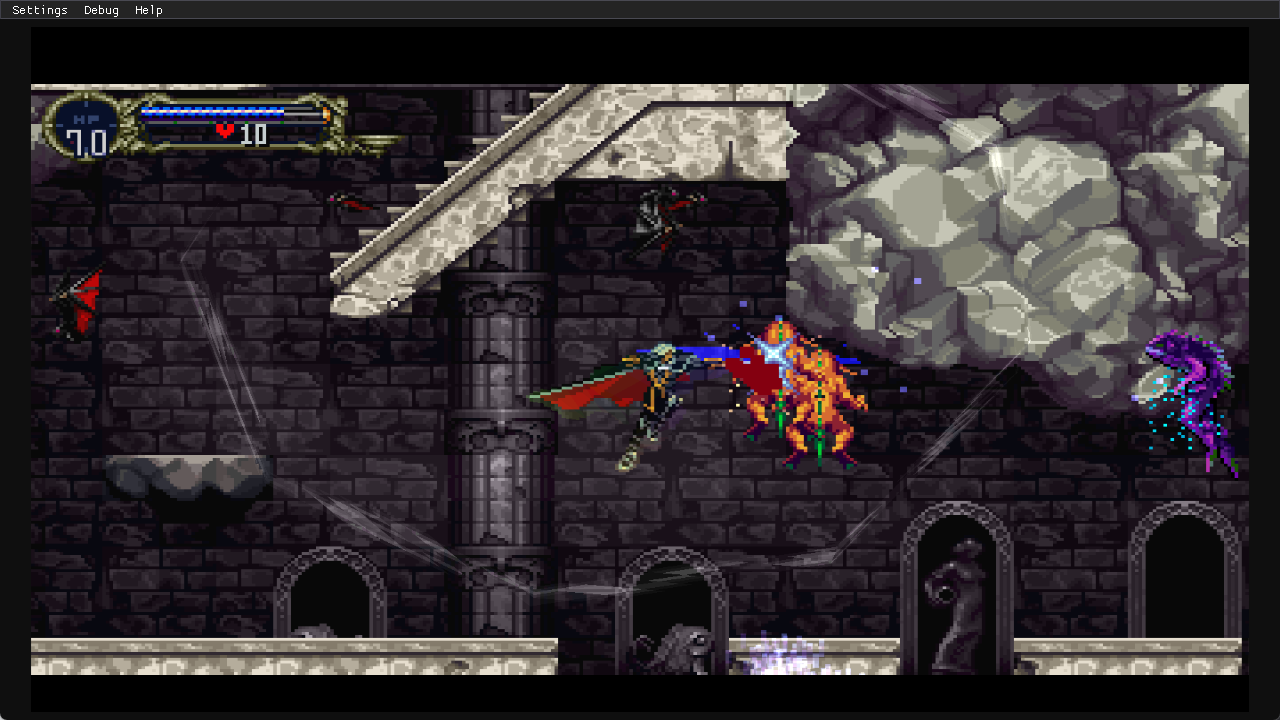
"My recompiler, like N64 Recomp, also needs a bit of help since PS1 files often are a mess with code and assets all in one place, so it will work better for games that have an decompilation so you can provide the files so the recompiler can have an easier time finding the proper functions," Flaffy said. "It can find code by itself but you don't get labels and it can get lost and produce some incorrect functions or start decoding assets as code... For games without a decomp, it's a bit more work because you need to find where the PsyQ library lives in the game, identify which function is which, and patch them to call the runtime's reimplementations (PsyQ is the development library used in PS1 games). If the game has a decomp like sotn you can just provide the ELF and the recompiler will generate those patches automatically using the function names."
So far no one else has jumped into RecompOne to contribute to development, but Flaffy is hopeful others will jump in and start using it to create recomps for other games — and contribute to documentation, which they admit is not their strong suit. But as of just the last few days they're no long going it completely alone — they're now collaborating with several other folks who happened to already be working on their own port of Symphony of the Night using RecompOne, unaware Flaffy had been working on the same game. They'll be combining forces to make a better PC port.
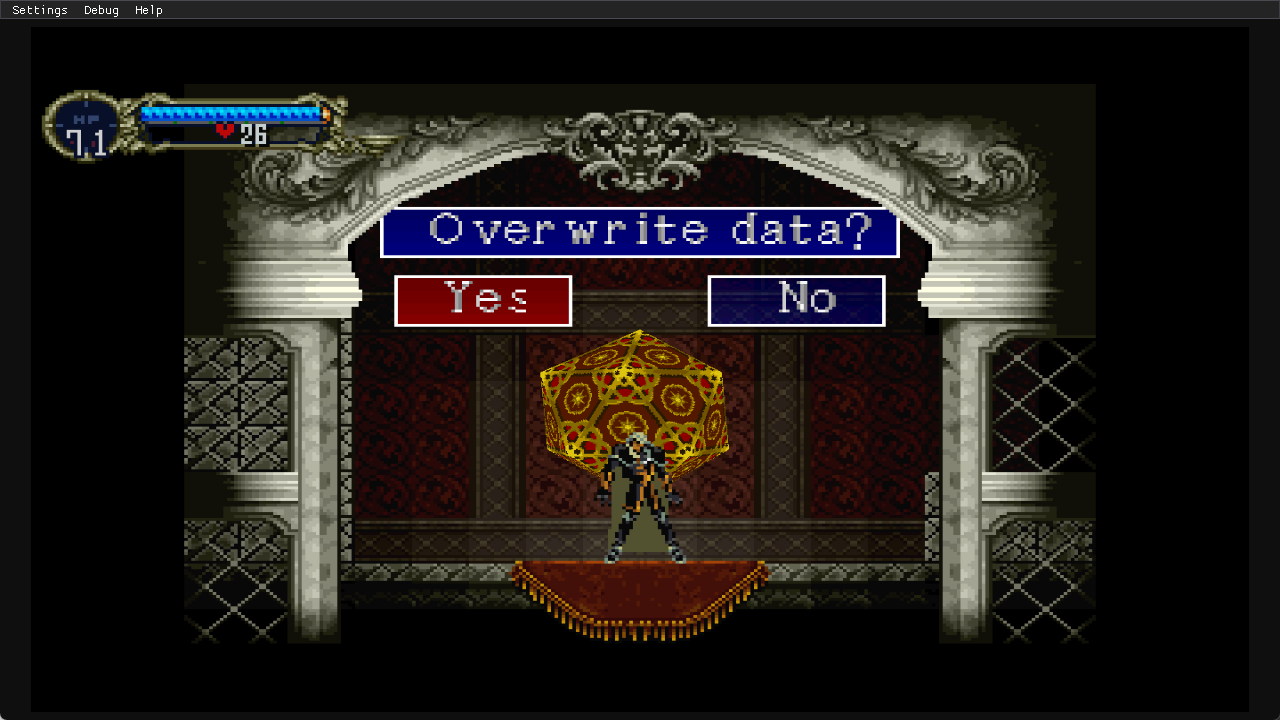
I tried Flaffy's out myself and got to enjoy Symphony of the Night in widescreen. Despite their warnings about potential issues, the first 30 minutes ran wonderfully with no glaring visual glitches. As you can see above, the port's UI is currently barebones and there will doubtless be graphics that need adjusting for 16:9.
But it's encouraging progress.
Flaffy's greatest strengths may be the enthusiasm (and free time) of youth, and enough awareness of the shortcomings of most AI recompilation projects we've seen so far. You don't have to be radically against the technology to know when not to use it. "I am not against AI, it is a tool like any other. It has a lot of flaws and it has become an uncontrollable bubble but it will remain as a useful tool after all of this crazy buble stops," Flaffy said.
As they wrote underneath that stance header on Github: "AI can be a useful research tool, but it does not replace the human judgment needed to understand and correctly implement what you are building. You do you but I will not provide help for ports produced that way."
Time to start daydreaming. What PS1 game should come next?
2. And now for a triumvarate of "I didn't see that coming" translation patches
I always enjoy being able to break out a translation patch from the section below when it feels noteworthy enough, though I wans't planning to do so for this issue — until three patches dropped one after another in the final hours of putting together ROM this week! Each was surprising and notable in a different way, which made me wanna devote a little more space to them.
First up: Kazetrigger makes a surprise appearance with Pixygarden.
Fantasy wildlife sim Pixygarden embodies the experimental essence of the PS1

If you don't know the name Kazetrigger, you might recognize the name "dothacktranslate," the site he's been running since 2014. Kazetrigger has been devoted to translating games, manga, even audio dramas from the .Hack series — but Pixygarden, a PlayStation 1 sim from the year 1999, is something different.
"I was, like many kids of the early 2000s, a massive anime fan, so I wanted to learn Japanese. I became a fan of the .hack series when it was first released in North America and I followed it through the years. When .hack//Link was released, I imported the Japanese version of the game, but awaited an English release. When one didn't come, I found a group who was working on a translation patch and I asked if I could help translate since I wanted to know what the story was so badly," Kazetrigger told me over email.
"They sent me the extracted text files and I got to work, mostly just so I could fully understand what was going on. When the group decided to move on from the project, I remained to finish it, so I created DotHackTranslate to work on .hack// series content that never got released in English."
Kazetrigger gradually learned his way around PSP romhacking, and in more recent years picked up more insight from Hilltop, who most recently appeared here in ROM discussing Kowloon's Gate. After years of working on .hack//Link (Kazetrigger released a big 3.0 update for the patch just this May) he needed a change of pace. Then he saw a YouTube recommended video about Pixygarden.
"I was immediately captivated," he said. "The thing that really drew me in was actually the music, sort of gentle and whimsical, with a lot of synth sounds. I hadn't heard of Pixygarden before, but I love the idea of rare retro games."
There wasn't a translation patch out there, so he decided to take a stab at it.
"After I saw the text in the main menu, my goal was to see if I could at least change some of the text a little, even just a few lines. I had already built up a suite of tools and some scripts from my work on .hack//Link, so I immediately extracted the files from the ROM and looked for Japanese text (SHIFT-JIS/CP932 bytes). Thankfully the game had easy to spot Japanese text, so I just made a few small tweaks to my string extraction script and got the game's text. I tested the game by replacing a few lines in the main menu to see what worked and didn't work. Once I had an idea of where to go, I was off to the races, so to speak.
Compared to working on .hack//Link, it was both easier and more difficult. Easier in the sense that I had already built up a large toolkit to handle different file types and there's a ton of information out there on how PS1 games work. I was able to find dozens of videos and documents explaining how to handle pretty much every step of the process. There was still a bunch of trial and error, of course, but I didn't have to struggle for too long because usually some blog or video had the answer I needed. And once I got a couple of things working, it became easier to build up momentum since previous changes informed how to do the next change and so on.
While .hack//Link had something like 6000-8000 lines of dialogue, Pixygarden only has about 1100 and a few hundred of those are duplicates or lines that follow a similar phrasing, which made translating so much faster. The difficult part about translating was that Pixygarden contains a variety of references to mythological figures and places in its naming conventions, so I had to do a fair amount of research into what meanings the Pixy and Planet names were trying to signify or evoke in order to come up with a suitable English version. It was a bit of a challenge. I'm pretty happy with the names and spellings I came up with, but there are definitely a few names that even now throw me for a loop.
It was [also] more difficult in the sense that the game was more limited in how data could be changed or placed. With the PSP, all I had to do was change a line of text and tell the game how long the line now is. Generally speaking, that was all I had to do and it pretty much worked with few exceptions. The game didn't require any massive changes to the game's underlying code to make it work. It had full ASCII text support built right in which made life a lot easier.
On the PS1, the game is riddled with absolute memory pointers, so if even one thing moves, it pushes huge portions of the game out of alignment and the game crashes or maybe doesn't even load. So, I had to play a balancing act with how to fit the text and code changes that couldn't fit into their original places in the game. This is, of course, not unusual for pretty much any romhacking project.
I was able to finish the translation patch in about seven weeks, but I was working on it for about 6-10 hours a day, every day. I am currently between jobs so, fortunately for the romhacking community, I have a lot of time on my hands. If I had been working, this game would probably only be about half done right now, I think. Although I stressed myself out a little working on the game so much, it was an enjoyable experience. I learned a massive amount about how PS1 games work and I'm definitely interested in tackling another PSP or PS1 game in the future. It's a nice feeling of accomplishment to complete a romhacking project, when you can see the fruits of your labor right in front of you on the computer or TV screen."
Here's a great, heartfelt blog post about Pixygarden if you want to read more about it:
 gnosisonic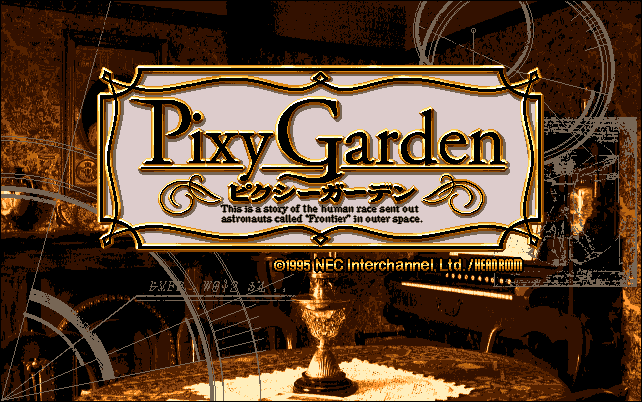
Kazetrigger's patch is available on Romhack.ing.
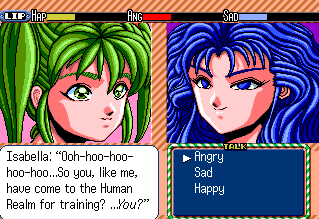
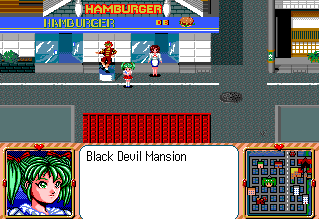
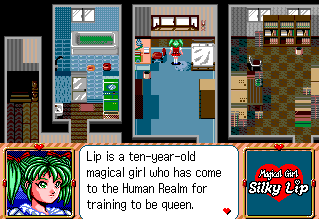
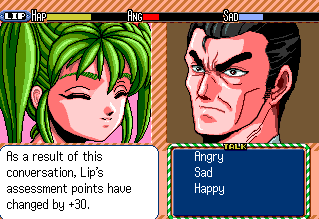
A magical CD "RPG:" Mahou no Shoujo Silky Lip

Romhacker and translator extraordinaire Supper drops an incredibly impressive fan translation once or twice a year, it seems like — recently there was Emerald Dragon, and perhaps most famously the PC Engine CD RPG Tengai Makyou: Ziria. After mastering the under-loved PC Engine, Supper recently turned his attention to a different platform, which is part of what makes this translation surprising.
"You have to understand that not only does the Mega CD simply not have a lot of Japanese games, most of the ones anybody actually wants to play got an official international release of some kind," he writes in the project's readme. "Nobody really makes Mega CD translations — in fact, I believe this is the first released English fan translation of a Mega CD-original game, though of course that's not to say it's without predecessors."
As Supper explains in the readme, there have been other translations of games ported to Mega CD, or translations in other languages. But Silky Lip is still in very elite company, despite the game itself being more interesting than good as a sort of recreation of magical girl anime where you mostly go around talking to other characters. But Supper really wanted to translate a magical girl game, and a Mega CD game, and it just so happened that venn diagram overlap was Silky Lip, and only Silky Lip.
I quite enjoyed the rest of this breakdown of what went into the hacking process courtesy of the readme:
I was appalled to discover that there *still* wasn't any kind of "armips for M68K", and that pretty much everybody doing Mega Drive work seemed to rely on an ancient commercial assembler. As a result, I wound up putting together my own editing system by horribly hacking up clownassembler and writing a crude "linker" that uses its outputs to patch files. The result is far from ideal, but demonstrably gets the job done...
Once I finally got the assembler to the point where I could write the macros I needed, the process of hacking the game was about 80% mundane. Silky Lip is so crudely put together that the developers actually dropped a full Shift-JIS font, totaling over 3,000 characters, into every single part of the game that needs to print any text. I can't overstate how absurd an excess this is — that font alone occupies almost a quarter of the primary RAM area, and only a fraction of it is even used (an average CD JRPG of this era might use 1,000 characters in total, if that). Since English needs only a tiny portion of that space for a complete font, I had all the room in the world to add every little luxury I wanted, from an alternate italic font to fully-kerned variable-width printing to an in-game map that I didn't even bother compressing because there was such an unbelievable overabundance of free space.
Meanwhile, the other 20% of the project consisted mostly of "what dumbass thought four palettes was enough for a 16-bit console". I thought adding subtitles to PC-Engine games was bad, but dear lord, the Mega CD is so, so much worse despite being the newer system. The lack of spare color palettes means the subtitles almost always have to piggyback off an existing palette, and that means you're totally dependent on the original game to hand you the colors black and white. And it does, most of the time... but then it does a fadeout somewhere that you need to have subtitles on screen, which means your subtitles fade out as well. So you force the game not to fade out the color white, but now some random white pixels in the background don't fade out either. So you have to patch over those pixels with special sprites that use a *different* white from a *different* palette for the fadeout. And don't even think about trying to change the colors mid-screen instead, because that'll make the VDP spit out garbage pixels! It's a mercy this game has so few cutscenes."
Just because a game is simple doesn't mean a translation hack is!
You can get Silky Lip's translation from the Stargood website.
Risqué PC-98 adventure Dengeki Nurse gets a licensing deal

Adult Japanese adventure games aren't normally why wheelhouse 'round these parts, other than sharing screenshots of the non-nude scenes in those incredible-looking PC-88 and PC-98 games. This one is notable, though, as a fan translation that's getting that extremely rare and elusive outcome: an official release.
On Steam, even.
Here's what the translators have to say:
"A game starring a ragtag group of medical professionals, including the titular Dengeki Nurse, fending off the international crime syndicate Black Cross. Hijinks ensue as this game parodies anything adjacent to 90s otaku culture you can think of, like Gainax's Cybernetic Hi-School and Sailor Moon, and a few things that definitely aren't, like The Rocky Horror Show and F1 racing!
The game features not only the typical Japanese adventure game UI and format, but every so often the player is thrown into RPG battles against the game's many villain and villainesses.
We've also struck a deal with FAKKU Games to release Dengeki Nurse on modern systems, with this translation as a base, so please, wishlist it on Steam right now!"
The team behind this patch also worked on the two Dead of the Brain games, so I would expect it to be solid. Do you want to play an early '90s horny adventure game parody? Maybe not — but I've gotta give it up for any PC-98 game getting a licensed translation and port in 2026. Maybe next time it can be one with cool mechs instead.
You can find the patch on Romhack.ing.
Patching In

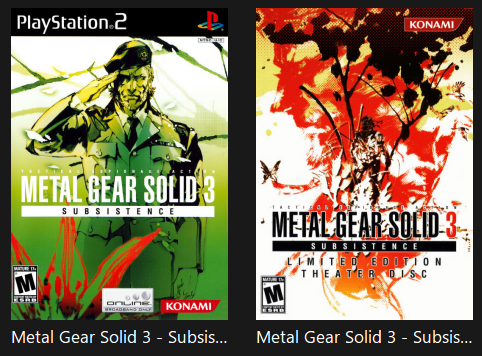
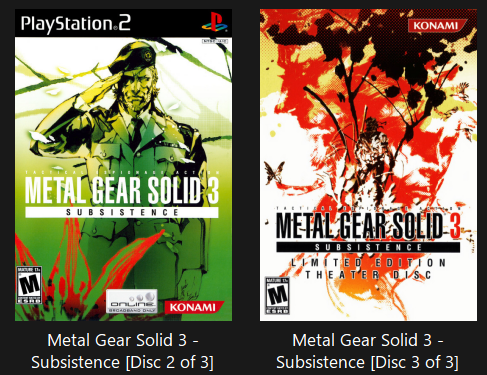
PCSX2 grid view now shows full game titles nicely – A small but welcome interface option; you can now set PCSX2's grid layout to show the full titles of games from the View menu, rather than truncating it. Before/after:
Ymirly to 95% Sega Saturn compatibility – "Ymir v0.3.2 brings a large set of bug fixes and accuracy improvements... pushing compatibility to just over 94%," writes developer StrikerX3. Impressive progress, considering the emulator's first release was just over a year ago, in May 2025. A big highlight: audio processing can run on a separate CPU core; emulation of the Saturn's SH-2 processors got both faster and more accurate, and can now "be overclocked up to 500% to reduce lag in poorly-optimized games, or underclocked down to 25% to lower host CPU usage on lighter games. As everything in the Saturn tends to be timing-sensitive, this comes with a disclaimer that it might break games, but it works well in most cases." Hit the link for a long list of game-specific bugfixes and improvements.
Dolphin adds Game Boy Player support, while Android Netplay is on the horizon – The latest Dolphin Progress Report is a great read as usual, covering how contributors finally achieved support for the final Triforce arcade game (the one featured in ROM in February!), as well as the Game Boy Player add-on. Read it! Not mentioned in the blog, but part of a recently merged commit, is Netplay support on Android. It's still unfinished, lacking support for some key features like controller mapping and largely untested for Wii games, but it's in the works! 16-player Double Dash phone tournaments when?
Core Report

The Zaparoo Frontend gets Update All support – "Zaparoo Frontend is truly awesome. It is similar in spirit to the Console Mode UI from the team behind the SuperStation One, but it is already available for all MiSTer setups, and works better," writes theypsilon in a slightly spicy Patreon update. Tis true that Console Mode isn't out yet, tho, while the Zaparoo UI has now been updated to support Update All.
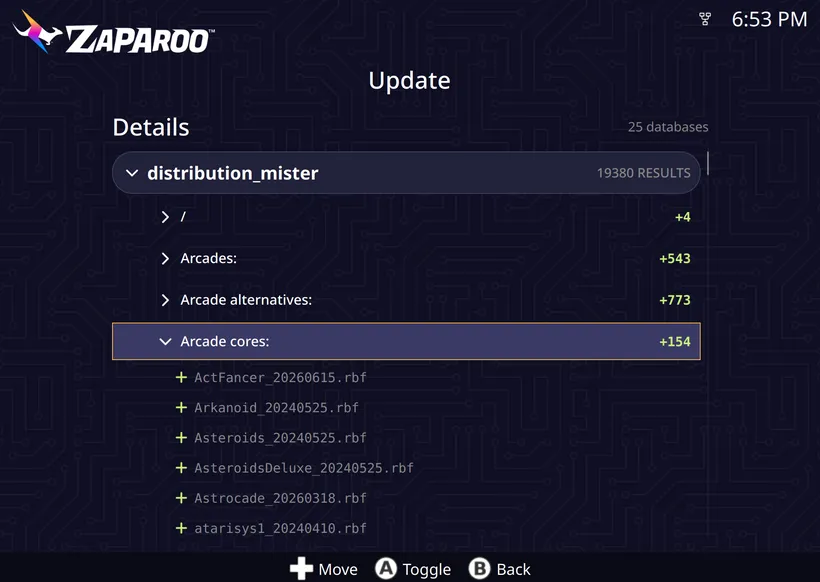
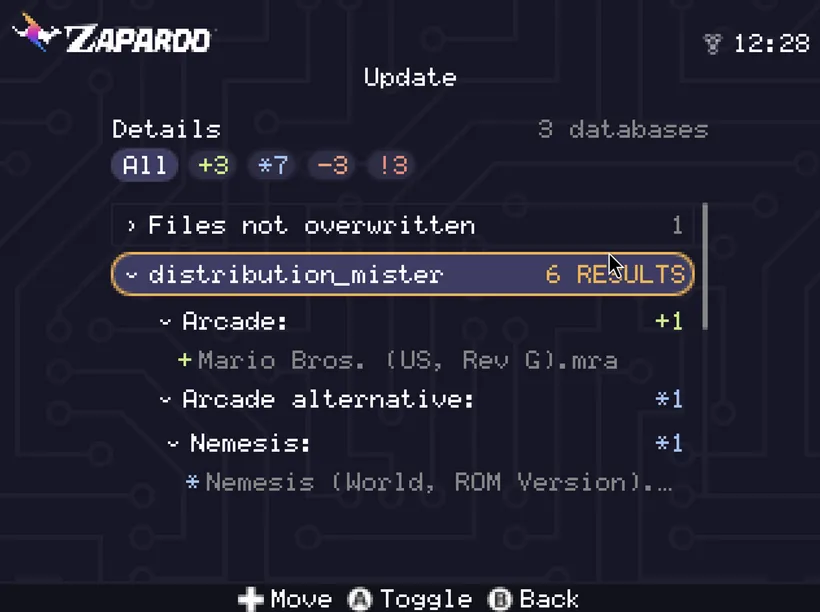
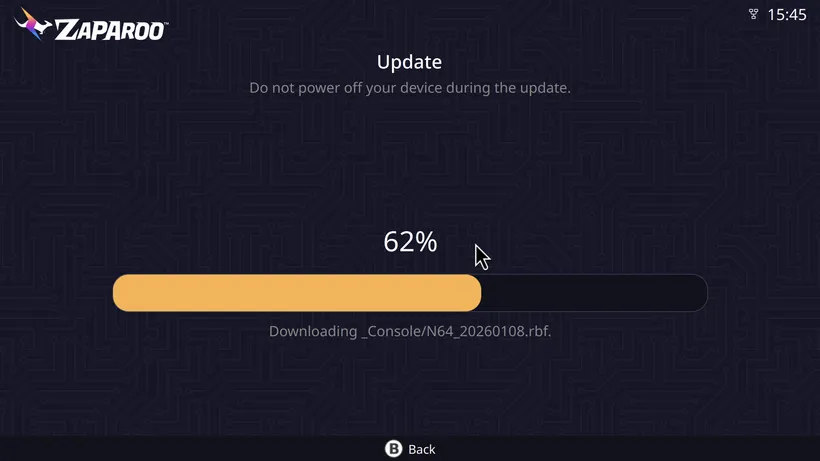
Images via theypsilon
"As you can see, this finally looks like a proper modern updater, with a real progress bar. But that is not all. It also includes a comprehensive Details screen where you can check exactly what has been updated. Go to the Tools & Scripts menu in the Settings Screen from Update All, and enable Zaparoo. When it asks if you want Zaparoo Frontend to be the default frontend, press Yes, and run a normal update... Zaparoo Frontend will show up the next time you start your device."
IGS PolyGame Master, MiSTer – Longtime MiSTer contributor wickerwaka has released a beta core for the IGS Polygame Master, a late '90s arcade system with "a lot of similarities to SNK's Neo Geo - cartridge based with multiple buses, heavily sprite focused graphics hardware, 68000 main CPU, Z80 for audio." There are almost 20 working games, including DoDonPachi II and Espgaluda, with a handul currently not working. Save states are in!
Oh good, the MiSTer's getting AI (slop?) cores now – "All these are AI-generated ports of MAME using the JTCORES framework," esteemed developer Jotego posted on X Wednesday, about a pile of Gaelco arcade cores that mashed up existing code from MAME with Jotego's FPGA framework. The exact crowd you'd suspect arrived to act incredibly defensive, while the core's developer responded to Jotego's critique that they don't advance preservation by saying "whenever you want you can get started on the Gaelco customs, send them to me." Snide!
In genuine development news, Jotego's CPS3 beta now supports Jojo's Venture and Street Fighter III: 2nd Impact.
Translation Station

The birthday Ystravaganza - You know somebody really loves Ys when they decide to retranslate not just one version of the classic RPG, but six. GhaleonX is just such a madman. " What started as a rudimentary romhacking attempt ended up spiraling into an adventure in z80 assembly," releasing patches for the PC-88, PC-98, MSX, Sharp X1, FM-7, and FM-77AV. It adds a variable-width font, and even includes some changes made based on discussion with Hudson programmer Hiromasa Iwasaki. GhaleonX does credit some AI tooling in the development process, but reading up on the patches' development in Discord it's clearly not a slop job; AI was one tool of many used to understand what the ancient assembly code was doing.
Fishermen? In my Space? It's more likely than you think – The Anime Game Translations team announced that they're starting work on PS2 game Space Fishermen. It is, obviously, about fishing in space. It has music by Ape Escape's Soichi Terada. Truly, what wonders remain among the depths of the PlayStation 2 library?
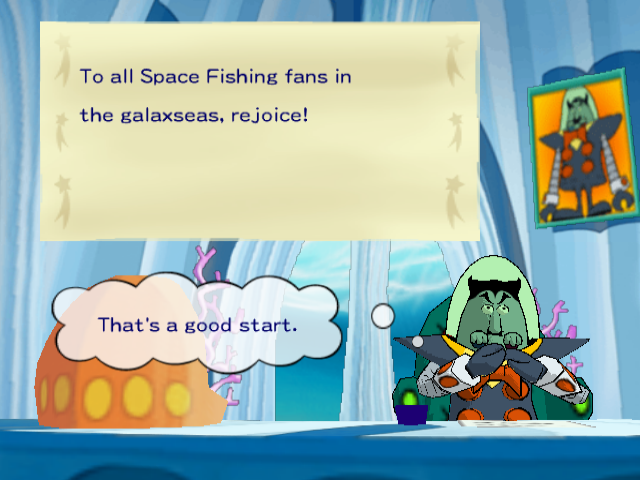
Good pixels

Let's wrap up with some more screens from our fan translation trio above. Till next time! 💽
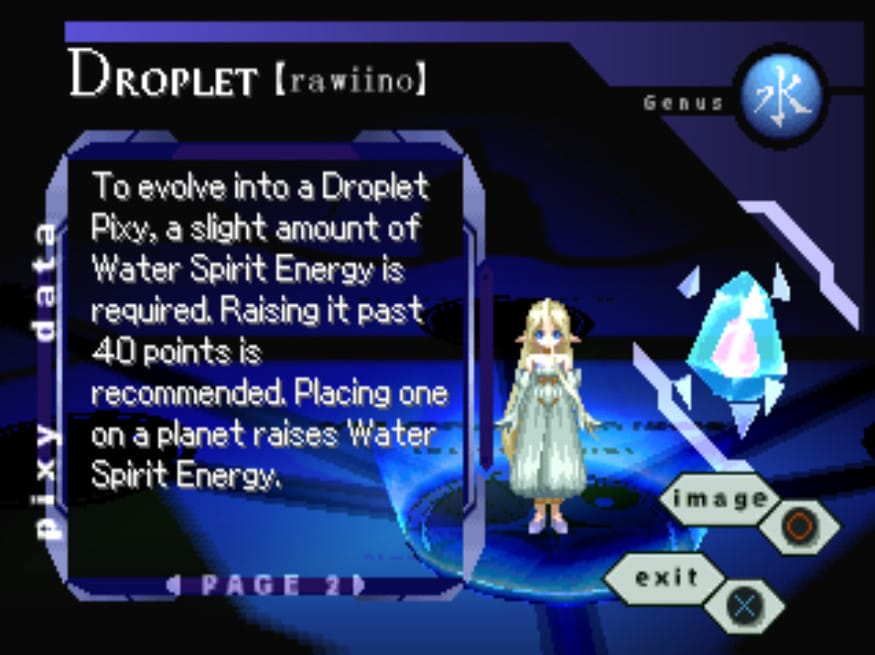
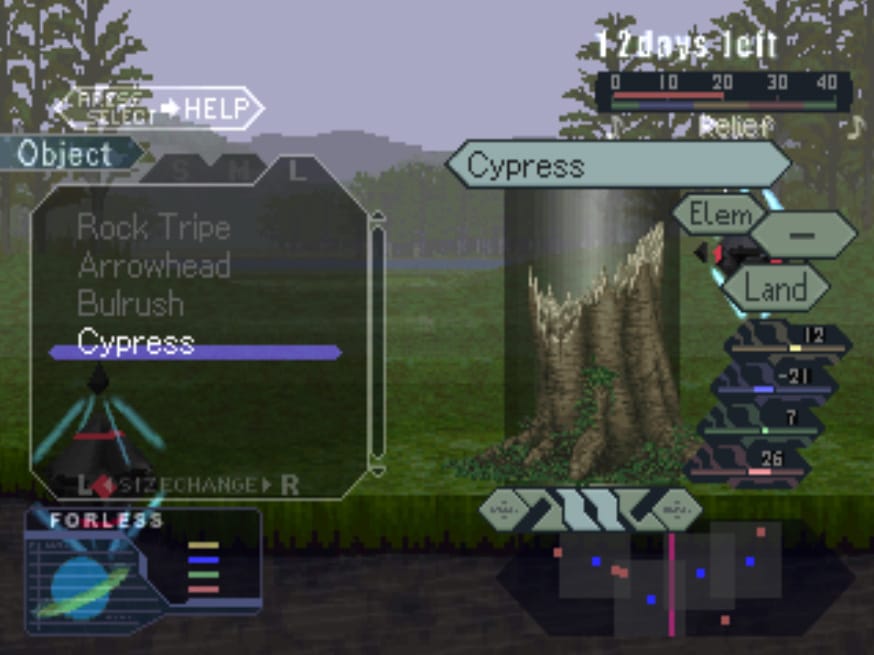
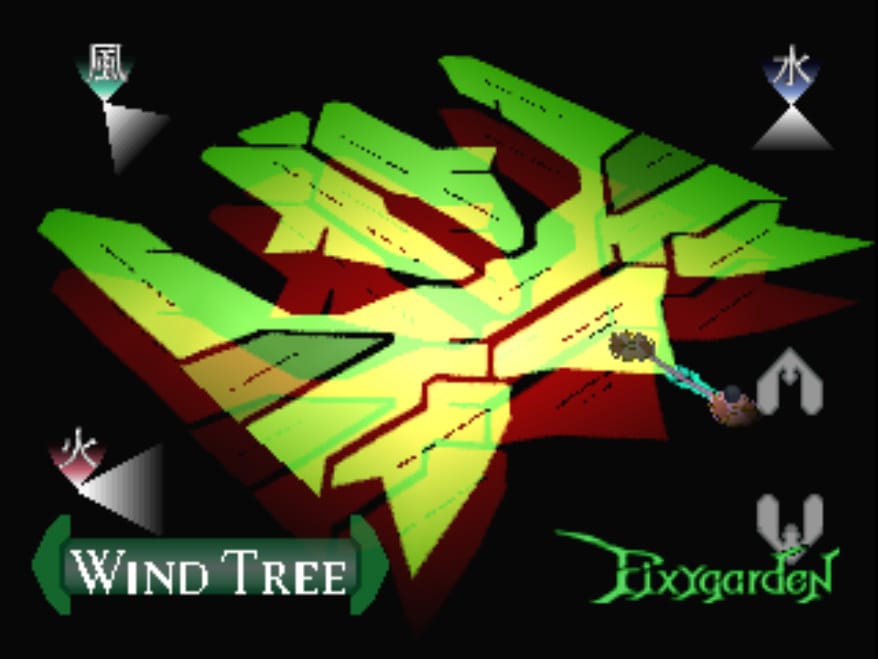
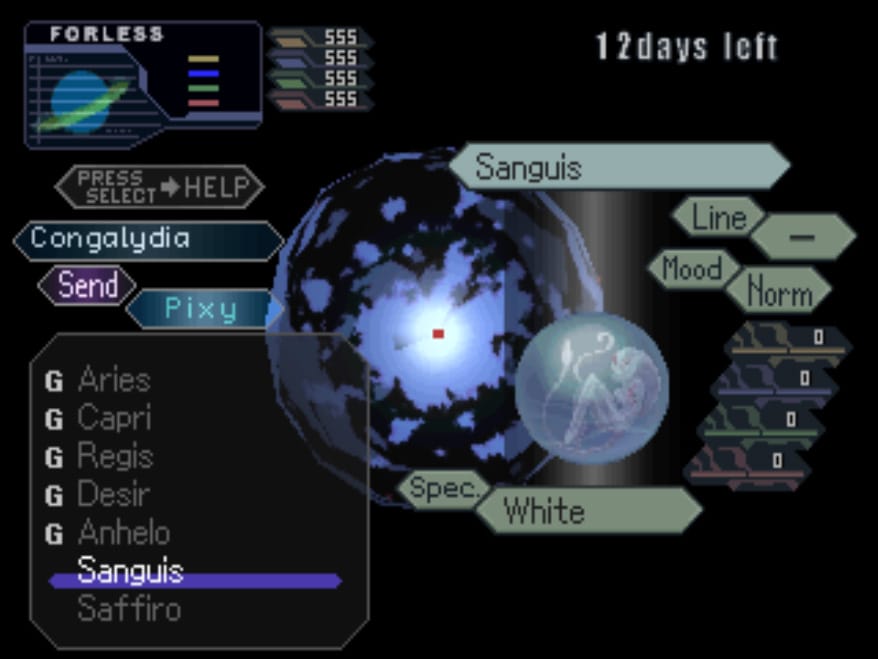
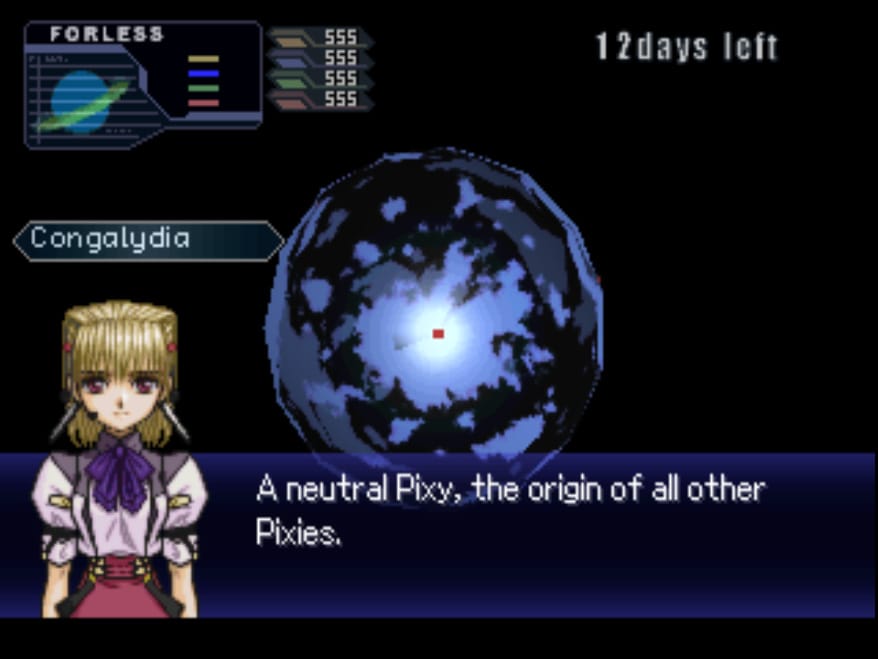
Images via Kazetrigger

Images via Lipemco!
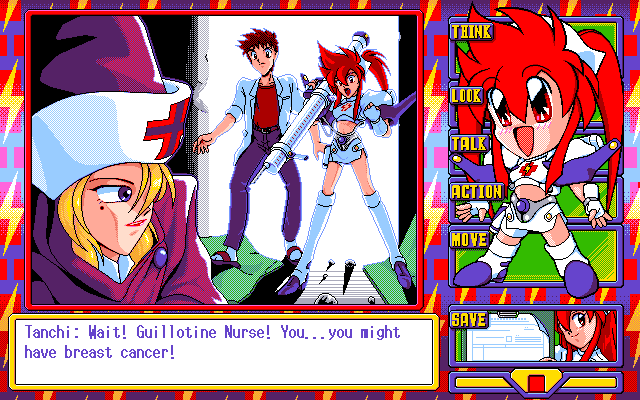
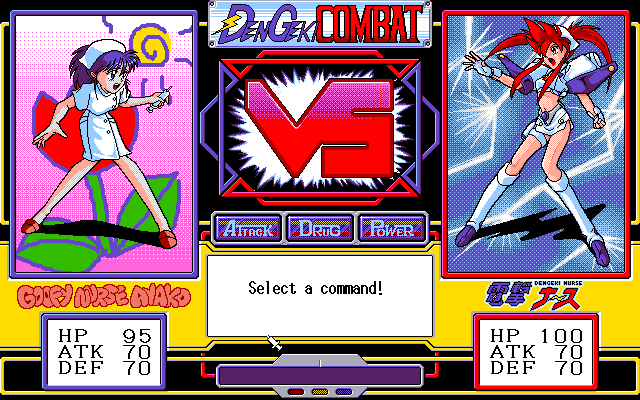
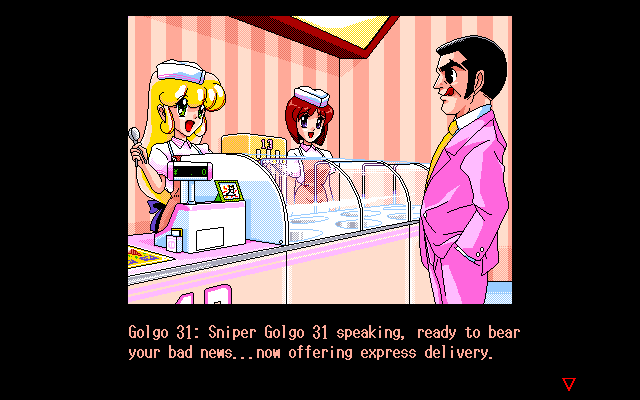
Images via WINE